






Delhi-NCR is once again in the grip of its annual, chronic - and increasingly deadly - air pollution crisis. All year round, the capital struggles with elevated concentrations of particulate matter (PM₂.₅, PM₁₀) arising from vehicular exhaust, industrial activity, construction dust and other anthropogenic emissions. Come winter, the situation deteriorates sharply as smoke from stubble-burning in neighbouring states compounds the problem by creating a dense, persistent smog.
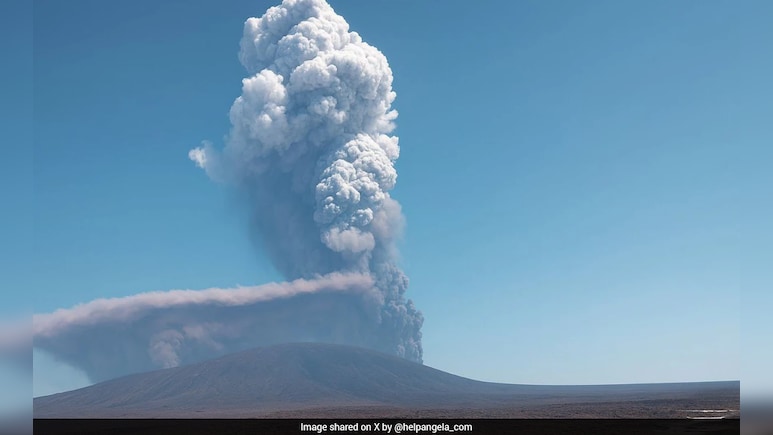
That climate change and a warming world can turn distant events into domestic hazards became evident with the recent ash plume from the Hayli Gubbi volcano in Ethiopia, which erupted on 23 November.
The ash cloud - rising 14-15 kilometres into the atmosphere - was carried by high-speed winds (100-120 km/h) across the Red Sea and the Arabian Peninsula before sweeping into parts of India, including Gujarat, Rajasthan and Delhi, within a day.
The disruption to air travel was immediate, with a number of flights being cancelled or rerouted.
But the episode also underscores a more uncomfortable truth: environmental events once viewed as geographically remote can now manifest suddenly and forcefully at home, exacerbating chronic vulnerabilities. The question is whether we are prepared.
A Vulnerable Capital
The Hayli Gubbi eruption - its first in nearly 12,000 years - is a stark reminder of the interconnectedness of Earth's geological and climatic systems. Climate change does not directly trigger volcanic eruptions, but it does intensify environmental fragility and magnify the consequences of natural events.
India is already experiencing rising temperatures, accelerated glacial melt in the Himalayas, altered rainfall patterns and shifting tectonic stress - all contributing to more frequent disasters such as floods, droughts, wildfires, earthquakes and crop failures.
As the volcanic haze passed over Gujarat and Rajasthan, raising temperatures by a degree or two late on Sunday and Monday, meteorologists watched closely for its potential impact on Delhi-NCR. Fortunately, the ash remained at higher altitudes - 15,000 to 45,000 feet - and was therefore unlikely to have affected Delhi's already hazardous Air Quality Index. But even marginal mixing could have worsened conditions dramatically.
The fine ash particles - silica, glass shards - and sulphur dioxide are dangerous when inhaled. This event added yet another layer of vulnerability for millions in a city already battling toxic air on a daily basis.
The socio-economic fallout is similarly severe: rising healthcare expenses, added pressure on hospitals treating respiratory and cardiovascular illnesses, lost labour productivity, mobility restrictions, and widening inequalities as poorer communities - with limited access to clean indoor air, filtration systems or quality healthcare - bear the brunt.
Policy Interventions
The baseline pollution in Delhi and North India is so high that any additional stressor, however remote in origin, becomes perilous. The response must be systemic and urgent:
• Mandatory fleet electrification for buses, taxis and auto-rickshaws by a fixed deadline.
• Seasonal 'pollution budgets' for the NCR, with caps on total winter emissions.
• Accelerated transition away from polluting household fuels through targeted subsidies for clean energy access in slums and informal settlements.
• Strict penalties for industrial non-compliance, paired with incentives for cleaner technologies.
• Regular public briefings by IMD and environmental agencies on ash clouds, aerosols and global wind systems.
• Scientific literacy campaigns in schools and public spaces, with simple guidance on responding to unusual pollution events.
• Air-filtration support for government schools, Anganwadis and primary health clinics, alongside insurance coverage for pollution-related diseases.
It is also time for a national plan to eliminate crop-residue burning, including crop diversification incentives, biomass-collection infrastructure and direct payments to farmers adopting non-burning practices.
Expanding PM-alert systems across Punjab, Haryana and Uttar Pradesh will help mitigate emissions before they reach the NCR.
Given the transboundary nature of such environmental threats, India - along with other Global South nations - should push for climate finance under a UN-led Global Atmospheric Security Framework that includes preparedness for geological and aerosol-related risks, not just carbon mitigation.
Flight Disruptions
The Hayli Gubbi eruption also exposed significant vulnerabilities in flight planning across India and beyond. The ash cloud that drifted over Pakistan and northern India after crossing Yemen and Oman moved further towards China, forcing multiple cancellations and rerouting.
Volcanic ash poses grave dangers to aircraft engines, and disruptions carry economic and safety consequences that reverberate across the region.
Past eruptions have similarly paralysed global aviation. India must therefore establish dedicated ash-cloud tracking units within the DGCA and strengthen airport meteorology teams, with enhanced coordination with international aviation bodies for real-time plume monitoring.
Climate mitigation is no longer optional. Climate stress amplifies natural and human disasters, deepening health risks and social inequalities. In an interconnected world, the environmental safety of Delhi may depend on a volcano thousands of kilometres away.
(The author is Contributing Editor, NDTV)
Disclaimer: These are the personal opinions of the author

