






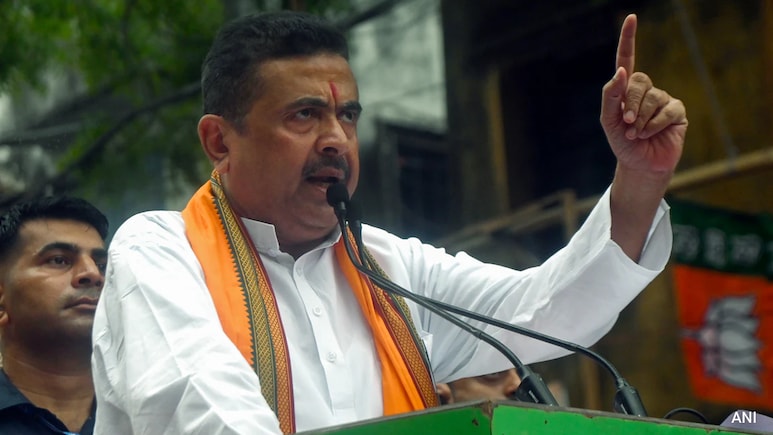
Political violence has been one of the oldest realities festering in West Bengal's complex landscape. It is not something that began yesterday, nor can it be attributed to a single party or a single era. From the Congress period before 1977, to the decades of Left Front rule, and later the rise of the Trinamool Congress, Bengal's politics has repeatedly witnessed violence, intimidation, ideological clashes, and bloodshed. With the BJP storming to power, naturally there was hope that finally the state would see politics with less or no violence.
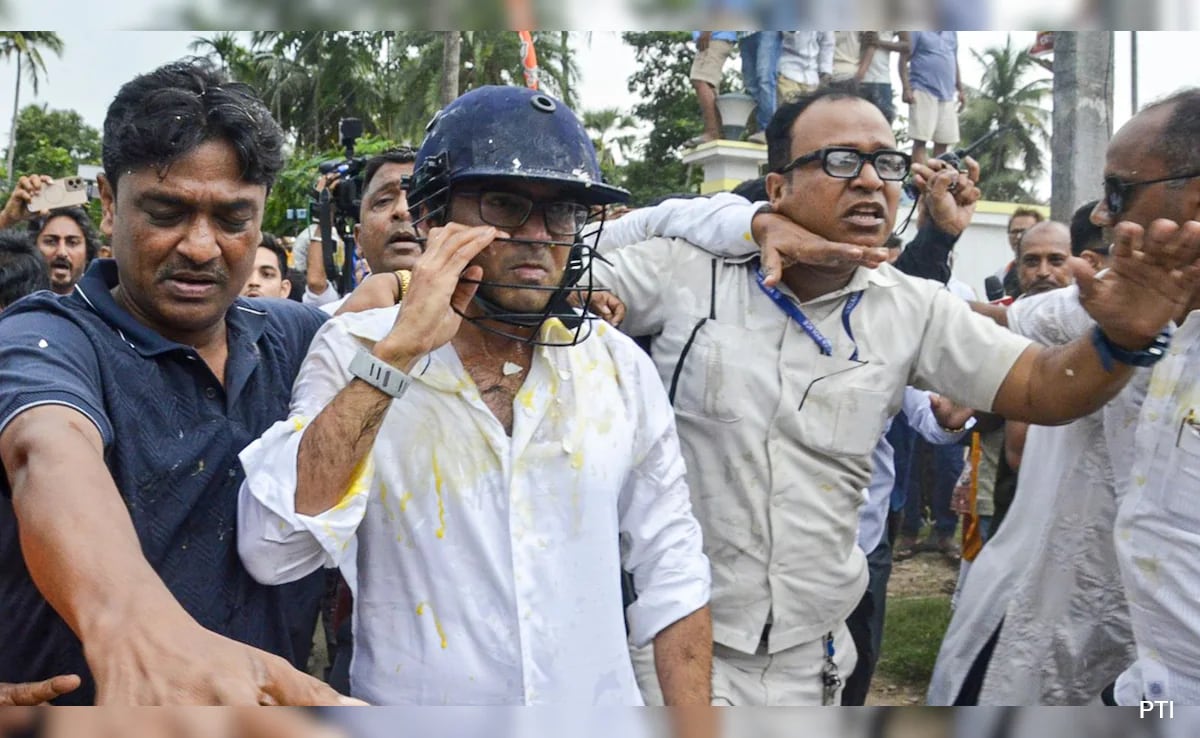
Recent incidents involving protests and assault against Trinamool leaders such as Abhishek Banerjee and Kalyan Banerjee, once again raised concerns about mob politics. Public anger and political dissent are natural in a democracy, but controlling mobs and preventing violence remains the responsibility of the ruling establishment.
At the moment, the BJP government may still be in its political honeymoon phase. But eventually, public expectations will rise sharply. The real test will begin when the administration is forced to choose between political convenience and institutional restraint. Will the BJP be able to prevent public anger or political outrage from taking a violent shape? The Trinamool was accused of enabling such politics, but after the elections, the BJP vehemently opposed and warned against violence. However, this is not new for Bengal.
The Genesis
Before the CPI(M)-led Left Front came to power in 1977, West Bengal was under the Congress regime led by Siddhartha Shankar Ray. That period too witnessed intense conflict between Congress workers and CPI(M) cadres. But alongside this political confrontation, another explosive force had emerged, the Naxalite movement.
The Naxalite uprising transformed Kolkata and large parts of Bengal into a battlefield of ideological extremism. Urban violence spread through educational institutions like Presidency College and other elite campuses. Murders, targeted attacks, bombings, and destruction became common. The atmosphere became so charged that even statues of Bengal's nineteenth-century icons, Ishwar Chandra Vidyasagar, Raja Rammohan Roy, and other architects of the Bengal Renaissance, were vandalised and broken. It was not merely violence against individuals; it was also an assault on Bengal's cultural memory and intellectual heritage.
When the Left Front later came to power under the CPI(M), political clashes did not disappear. Instead, they often shifted internally within Left politics itself. Conflicts broke out between CPI(M), Forward Bloc, RSP, CPI, and other Left organisations across districts.
At one point, even rickshaw owners and poor rickshaw pullers became part of political alignments. CPI(M) often sided with the owners, while the Forward Bloc positioned itself as the defender of poorer labourers. These seemingly local disputes gradually became political battles, and violence became institutionalised at the grassroots level.
As time passed, anti-CPI(M) movements also became increasingly violent. The Opposition's "Road Blockade" movements and street agitations often turned confrontational. During the peak years of CPI(M) rule, accusations of political atrocities became common. In places like Bardhaman's Sainbari, brutal killings and retaliatory violence shocked the state. Cases and counter-cases emerged repeatedly. Even former Industry Minister Nirupam Sen's name surfaced in political controversies and legal allegations surrounding violence.
When the Trinamool Congress rose to power, many expected the political culture to change. Yet, one violent episode after another continued to dominate headlines. There were clashes with opposition workers, confrontations with police, and repeated allegations of intimidation.
The memory of 21 July remains especially significant in Bengal's political history, when police firing during a Youth Congress movement led to multiple deaths. That incident became a defining emotional and political moment for Mamata Banerjee's rise.
Promise Of Hope
Over time, the BJP too began entering Bengal's political battlefield more aggressively. Many BJP leaders argued that unless they adopted a similarly confrontational political style, they would not survive in Bengal's highly charged atmosphere. During the Jana Sangh era under Syama Prasad Mukherjee, the party's politics in Bengal remained relatively restrained. But later, as the BJP expanded nationally, its Bengal unit also adopted sharper rhetoric and street mobilisation.
Former BJP state president Rahul Sinha once publicly justified retaliatory politics, arguing that unless the BJP responded forcefully to Trinamool aggression, it would fail to grow organisationally in Bengal. Similarly, Dilip Ghosh's controversial remarks about "cutting hands and legs" of opponents reflected how violent language itself had become normalised within Bengal's political culture.
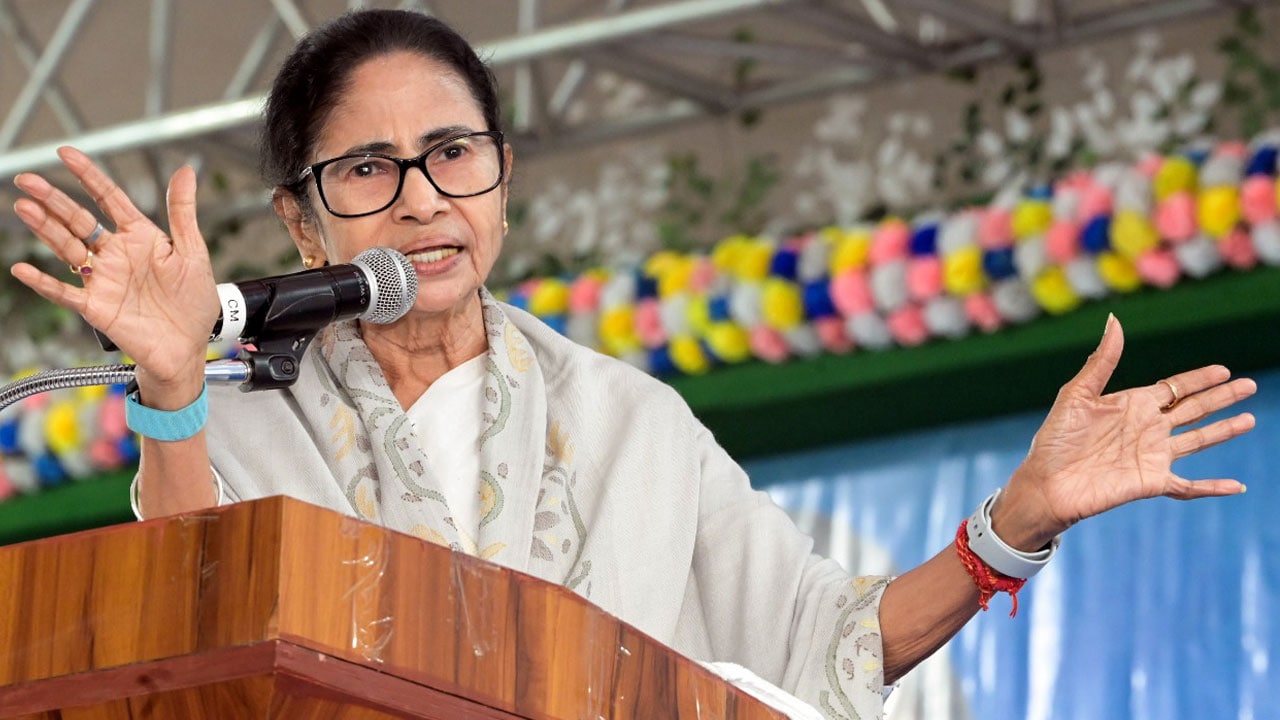
This was not always literal violence, but the political psychology of intimidation, domination, and muscular assertion had clearly entered mainstream discourse.
Even political strategists understood this reality. PK, or Prashant Kishor, was often accused by critics of encouraging highly combative electoral strategies, though supporters argued he merely adapted to Bengal's political environment.
In many districts, politics increasingly became controlled by local strongmen, syndicates, and muscle power. The educated Bengali middle class, the traditional bhadralok culture that once shaped Bengal's intellectual identity, gradually became sidelined from grassroots political operations.
Suvendu Adhikari's Test
Now, with Suvendu Adhikari emerging as Chief Minister under a BJP government in West Bengal, a major question stands before the state: will this inherited culture continue, or can Bengal finally move beyond it?
Because violence also has economic cost, and once investment talks begin, it can be a major impediment to such the state's financial progress. This becomes crucial as Bengal is again discussing industrial revival, steel sector investments, infrastructure expansion, airport modernisation, and private sector participation similar to Delhi, Bengaluru, or Hyderabad. Such ambitions require long-term social and political stability.
The people of Bengal have already seen decades of bloodshed, revenge politics, cadre clashes, and fear-based mobilisation. There is now a growing section of society that wants politics to move away from intimidation and towards governance, investment, jobs, and civic peace.
Whether Suvendu Adhikari's government can truly break this historical cycle remains uncertain. But perhaps, for the first time in a long while, there is at least a faint hope that Bengal may try to step out of this inheritance of violence.
(The author is Contributing Editor, NDTV)
Disclaimer: These are the personal opinions of the author

