





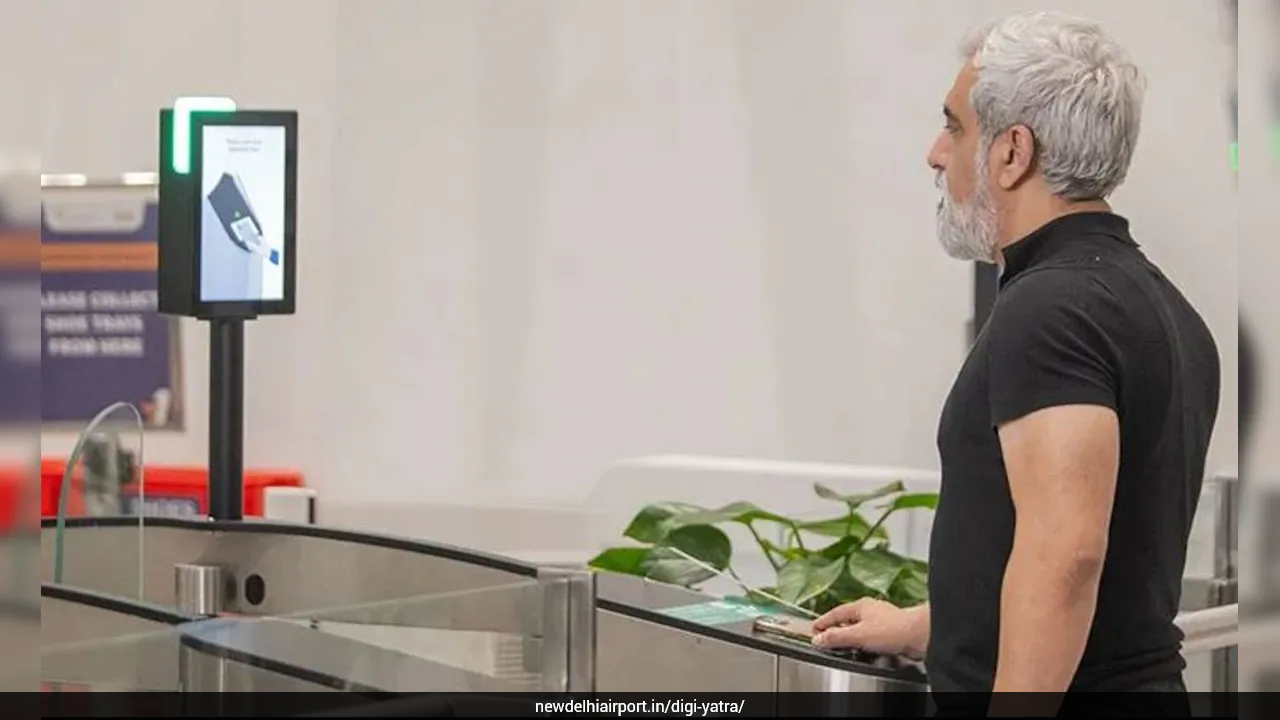
The days of repeatedly showing your passport and boarding pass at the airport could soon become a thing of the past, as airlines and airports increasingly adopt facial recognition technology to make travel faster and more seamless. According to a report by The Metro, passengers at a growing number of airports can now use their face as their identity at various checkpoints, including check-in, bag drop, security and boarding.
How The Technology Works
One of the latest airports to introduce the system is Doha's Hamad International Airport. Eligible passengers flying with Qatar Airways can register for the airport's optional "Fast Pass" service, which lets them move through dedicated biometric checkpoints using facial recognition instead of repeatedly presenting travel documents, as per the news report.
The technology matches a live scan of a passenger's face with their travel details that have been securely registered in advance. Once verified, passengers can pass through participating airport touchpoints with minimal document checks.
A Growing Trend Across Airports
The move is part of a wider shift in the aviation industry towards digital identity systems designed to reduce queues and improve the passenger experience.
Similar biometric travel programmes are already operating or being tested in several countries, including India through the DigiYatra initiative.
In India, DigiYatra enables travellers to use facial recognition at participating airports instead of repeatedly scanning boarding passes. The system is designed to offer a paperless and contactless airport experience while maintaining existing security checks.
Privacy Concerns Remain
While the technology promises faster airport journeys, it has also raised concerns about privacy and data protection.
Airport operators say biometric information is encrypted and protected with security safeguards. They also stress that participation in most biometric travel programmes remains voluntary.
The Future Of Air Travel
Industry experts believe facial recognition and digital identity systems are likely to become a standard part of air travel over the coming years.
If adoption continues to grow, passengers may soon be able to move from check-in to boarding with little more than a quick facial scan, making airport journeys faster and reducing the need to repeatedly present passports and boarding passes.
Track Latest News Live on NDTV.com and get news updates from India and around the world

