





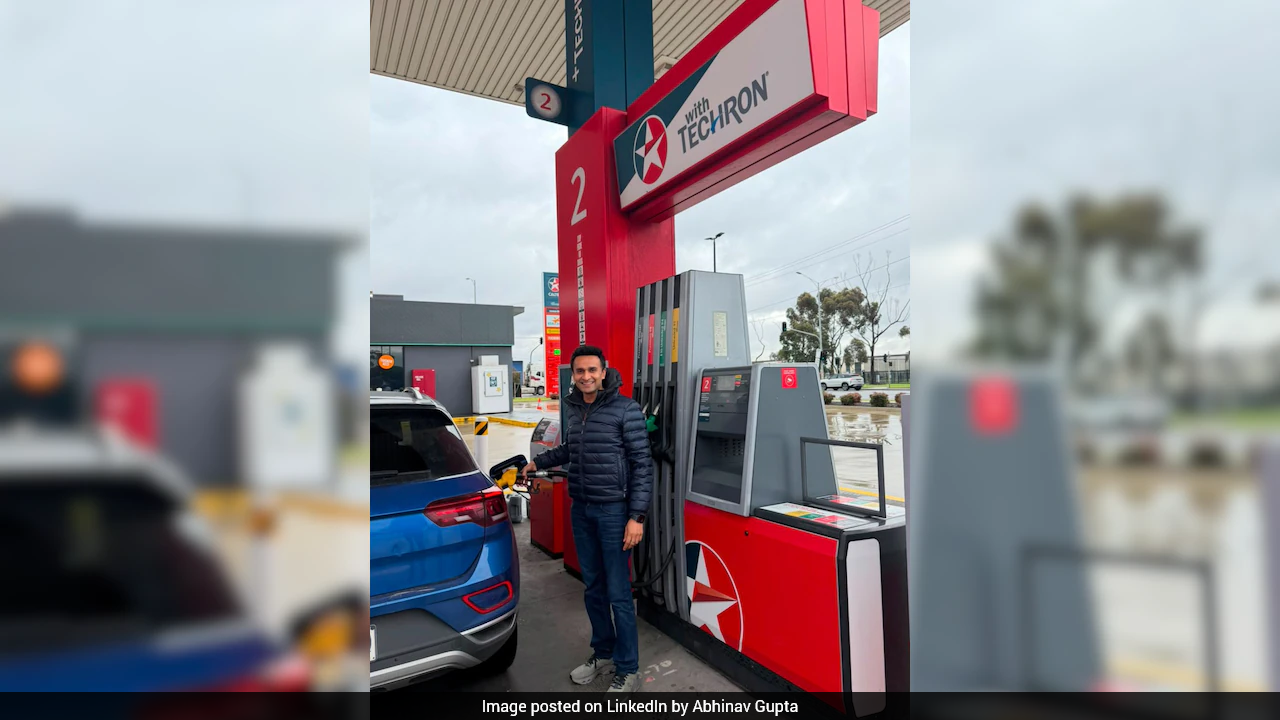
An IIM alumnus and CEO has shared what he described as his biggest cultural shock after visiting Australia, saying the experience made him notice how deeply trust is woven into everyday life and business. Abhinav Gupta, CEO of Cars24 Arabia, shared his observations in a LinkedIn post, describing several everyday situations that stood out to him, from unattended petrol stations and roadside farm stalls to relaxed return policies.
One of his first surprises came at a petrol station, where customers are expected to fill their own vehicles and then walk inside to pay. There are no attendants monitoring the process.
As Gupta spent more time in Australia, he noticed similar examples of trust-based behaviour elsewhere. Toll road users can pay later, while some farmers leave fresh produce by the roadside with a box for customers to take what they need and leave the money.
"You can use a toll road and pay later. Farmers leave their produce by the roadside with a box. Unattended. You take what you need and leave the money in the box. Even returning something you've bought is based on taking the customer's word for it," he wrote.
See the post here:
Gupta said these small differences also reveal how consumer expectations can vary across countries, particularly when it comes to sales and customer engagement. "For example, in India, when someone leaves a lead, the business follows up and tries to close while the customer is still engaged. In fact, converting a customer on the spot is something we actively track and applaud. In Australia, that behaviour will work against you," he added.
In Australia, however, Gupta said a more aggressive approach can have the opposite effect. Customers generally prefer to research products themselves, arrive prepared and take their time before making a decision. An unsolicited call soon after leaving a lead may even be seen as intrusive.
"They don't want to be pushed into a decision. That's what high trust looks like when it becomes a part of everyday behaviour. You don't need someone standing over you to do the right thing. And you don't expect someone standing over you when you're making a purchase either," he explained.
For Gupta, these differences reflect a broader culture of trust, where people are not constantly monitored or pressured to make decisions.
Track Latest News Live on NDTV.com and get news updates from India and around the world

