





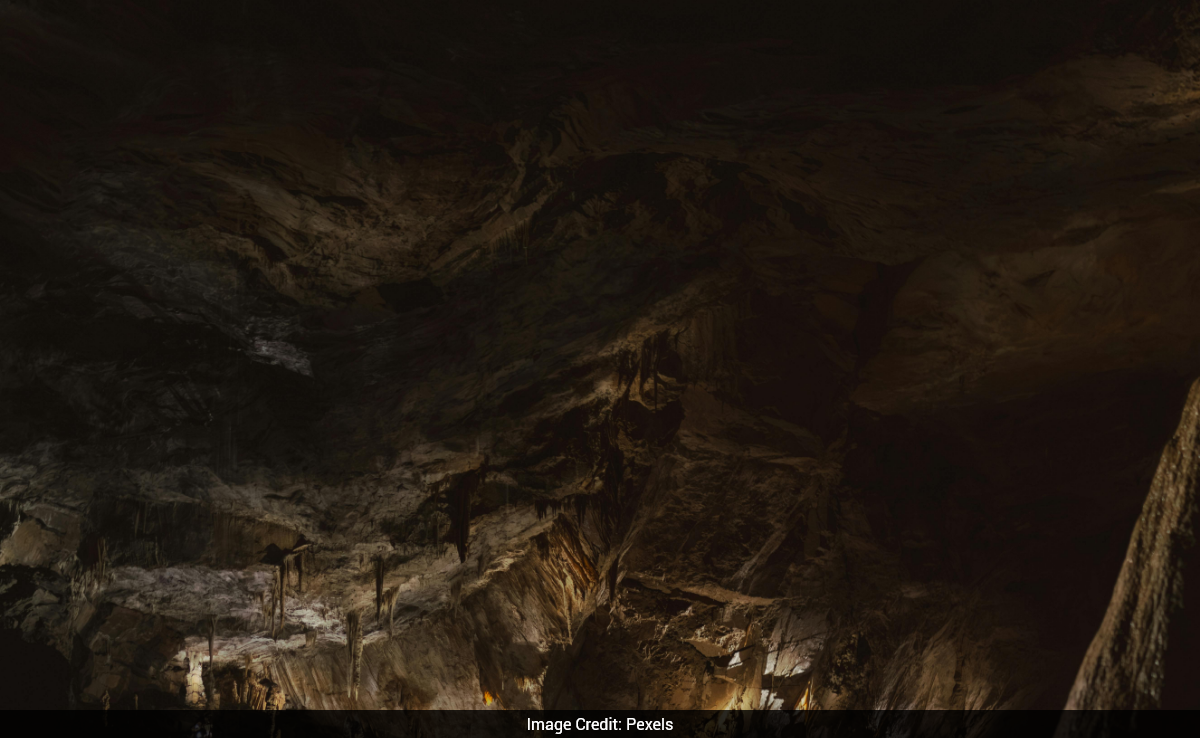
- The Luo Hua Dong Nv ritual involved unmarried women aged 16 to 25 chosen for cave sacrifice
- The practice symbolized a marriage between humans and deities in Miao communities of Xiangxi
- Women showing isolation and unusual behavior were believed to be pledged to a cave deity
An ancient folk belief from parts of China tells of a mysterious and tragic practice in which young women were believed to be chosen by a deity and sent into caves as a form of sacrifice. The custom, now no longer practised, continues to be discussed for its unusual rituals and cultural background, reported the South China Morning Post.
The practice, known as Luo Hua Dong Nv, is linked to the Miao communities in Xiangxi. It has been described as a symbolic "marriage between humans and deities" and was considered one of the "Three Evils of Xiangxi". Its exact origins remain unclear.
Apart from Luo Hua Dong Nv, two other rituals were associated with this belief system. One was corpse driving, where it was believed that a master could guide dead bodies to move at night using bells and paper offerings. The other was Gu sorcery, a form of witchcraft involving poisonous insects used to influence or harm others.
Who Were Chosen?
The custom typically involved unmarried women between the ages of 16 and 25. These women were believed to be chosen based on certain qualities such as bright eyes, gentle behaviour, intelligence and beauty.
Beliefs Behind The Practice
The tradition is thought to have originated from animistic beliefs in the mountainous regions of western Hunan, where natural elements were believed to have spirits. Caves were seen as the dwelling places of deities.
In some cases, young women who remained unmarried would begin to show unusual behaviour. They were described as becoming extremely focused on cleanliness, preferring isolation, and appearing mentally distant. They were also believed to speak to themselves, as if waiting for a spiritual presence.
According to local beliefs, such behaviour meant that the girl had pledged herself to a deity. It was believed that by maintaining purity and beauty, she was preparing to be taken away by the divine.
Families often reacted with concern. They would visit nearby caves to perform rituals, offer incense and burn paper items while asking the deity to release their daughter. If the girl returned to normal, it was seen as an act of mercy.
However, if her condition continued, the family would accept the situation. They would select an auspicious date and send her into a cave as an offering.
The girl would remain inside the cave and was believed to die after several days of fasting. Local communities believed that she had gone to marry the Cave Deity. Instead of a funeral, a wedding ceremony was held.
As part of the ritual, a dowry was prepared and burned in front of the cave, symbolising that the girl had been respectfully married.
Track Latest News Live on NDTV.com and get news updates from India and around the world

