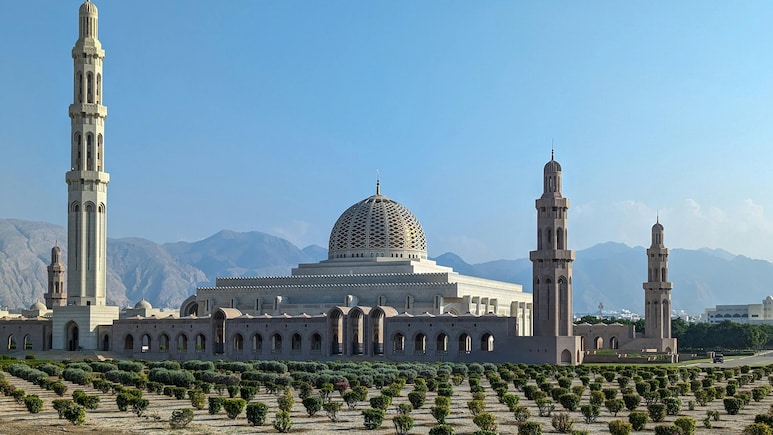
- Oman limits building heights to seven or eight storeys, favouring horizontal scale
- Sultan Qaboos Grand Mosque in Muscat features Indian sandstone and a massive chandelier
- The currency of Oman is the third strongest in the world, translating to Rs 235 per Riyal
When Oman's neighbours in the Gulf were focusing on building upward; dizzying skyscrapers that touched the stratosphere; this country went back to the ground. Oman used its vast empty space to create its buildings. The capital city, Muscat, thus, has no tall buildings. Seven or eight storeys are where they draw the roof. In contrast, the buildings in Oman play with scale in terms of horizontality.
An India Link In Muscat
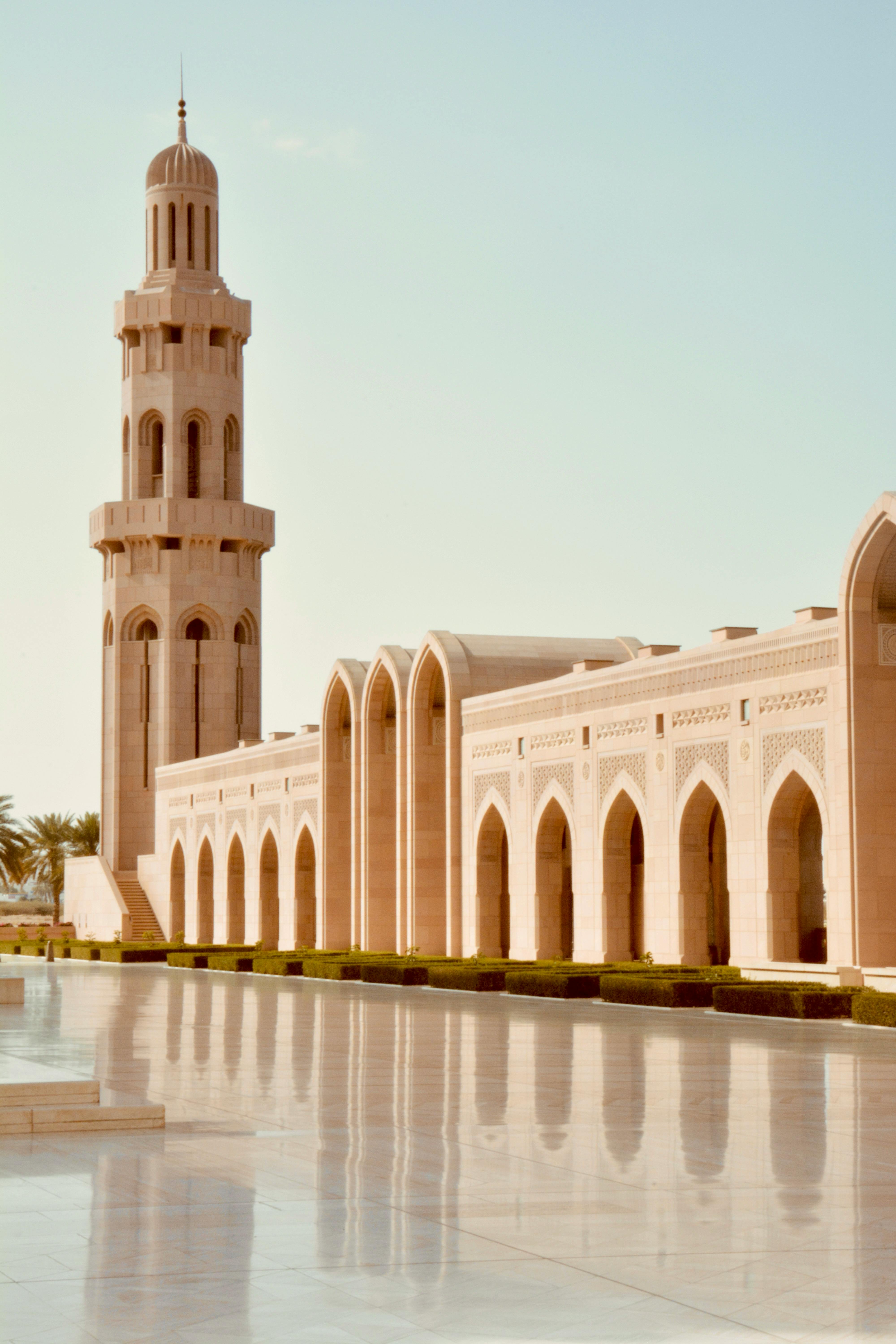
The Sultan Qaboos Grand Mosque In Muscat. Photo: Pexels
Take the Sultan Qaboos Grand Mosque in the capital Muscat. Named after Oman's former Sultan, Qaboos bin Said Al Said, the mosque is spread over an area of 5,476 square metres, and is a modern architectural marvel. Non-Muslims are allowed to visit the mosque, which was built using 3,00,000 tonnes of Indian sandstone carved by 200 craftsmen from India. Its main musalla can hold 6,500 worshippers at once, and is also the tourism focus inside the mosque.
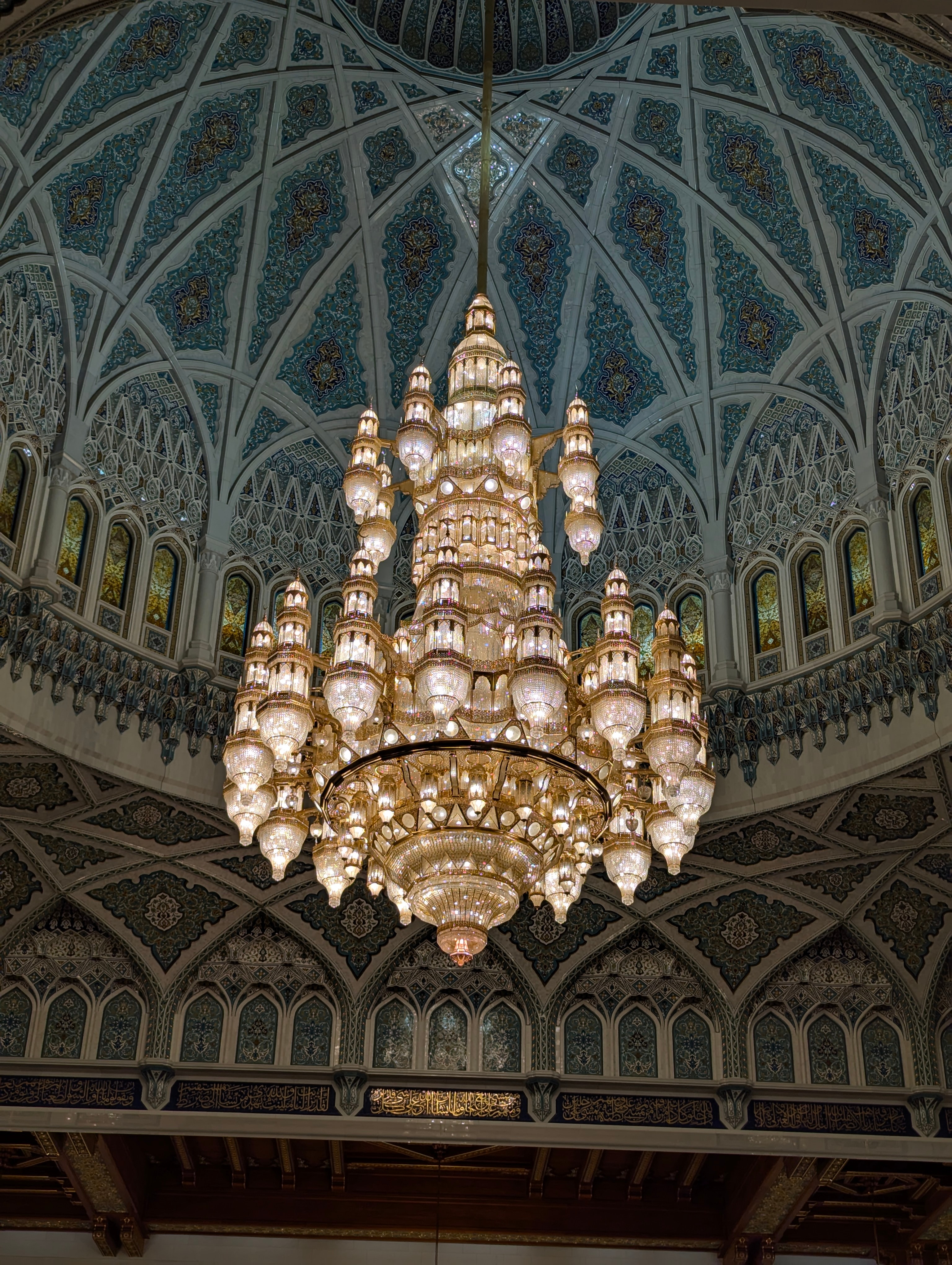
The chandelier inside Sultan Qaboos Grand Mosque was once the world's biggest. It is now the second biggest, after Abu Dhabi's Sheikh Zayed Mosque. Photo: Author
Inside, you have another wonder: the second-biggest chandelier in the world (it was the biggest till Abu Dhabi's Sheikh Zayed Mosque got a bigger one). The crystal marvel hanging from the ceiling of the mosque weighs a jaw-dropping 8.5 ton. When it is cleaned, the cleaner has to climb into the chandelier and climb out of it to keep the crystal sparkling. It is, after all, one of Muscat's grandest spectacles.
A Geometrical Marvel For All Ages
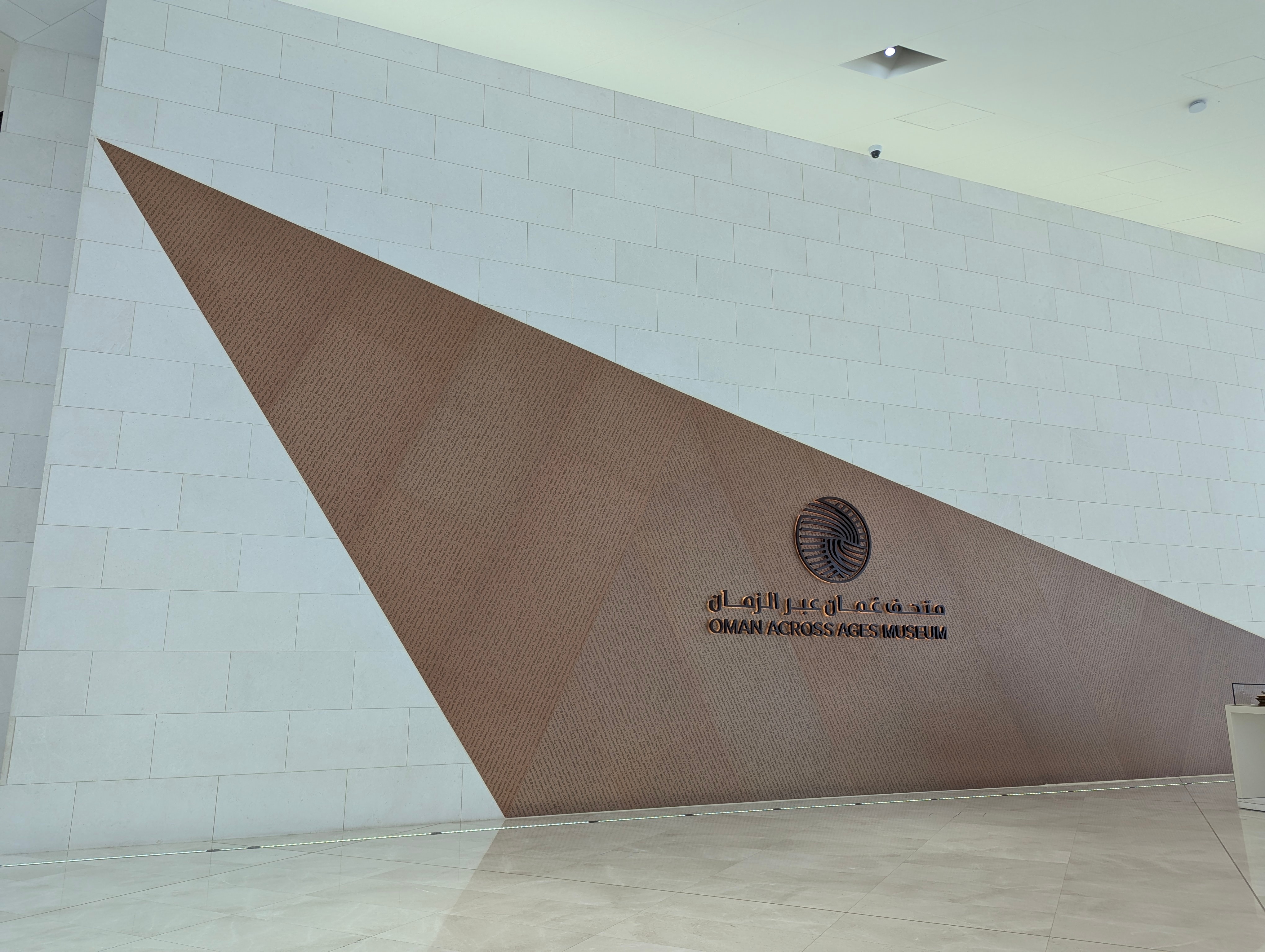
Inside Oman Across The Ages museum. Photo: Author
Oman's other modern architectural spectacle is a geometrical work of art. The Oman Across Ages Museum, designed by the Australian firm Cox Architecture, draws inspiration from the jagged Al Hajar mountains that runs through the country. Sharp angular forms rise from the ground in Nizwa, an hour and a half outside of the capital Muscat, and open to a glass-and-concrete structure that invokes, among many emotions, awe.
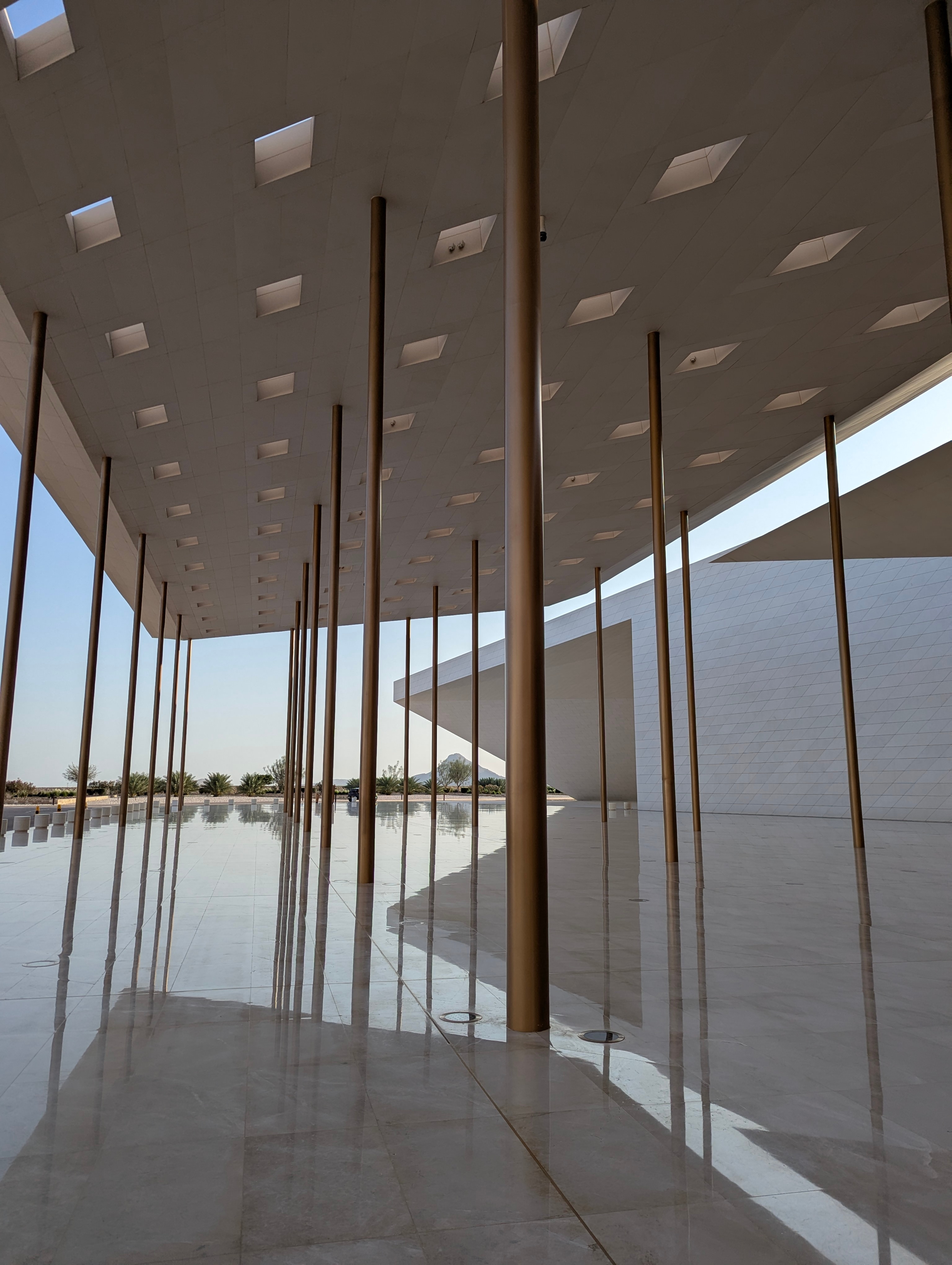
The sharp, angular edges of Oman Across The Ages museum are inspired by the Al Hajar mountains. Photo: Author
The museum was completed in 2023. It spans 1,20,000 square metres and is home to immersive galleries that showcase 800 million years of Omani history.
But much of the spectacle that is this country lies outside of buildings. A two-and-a-half hour drive from Muscat leads to Jabal Akhdar, Oman's 'Green Mountain' that rises well above 3,000 metres in parts. Jebel Shams, the country's highest peak, towers at a staggering 3,018 metres above the landscape of Oman.
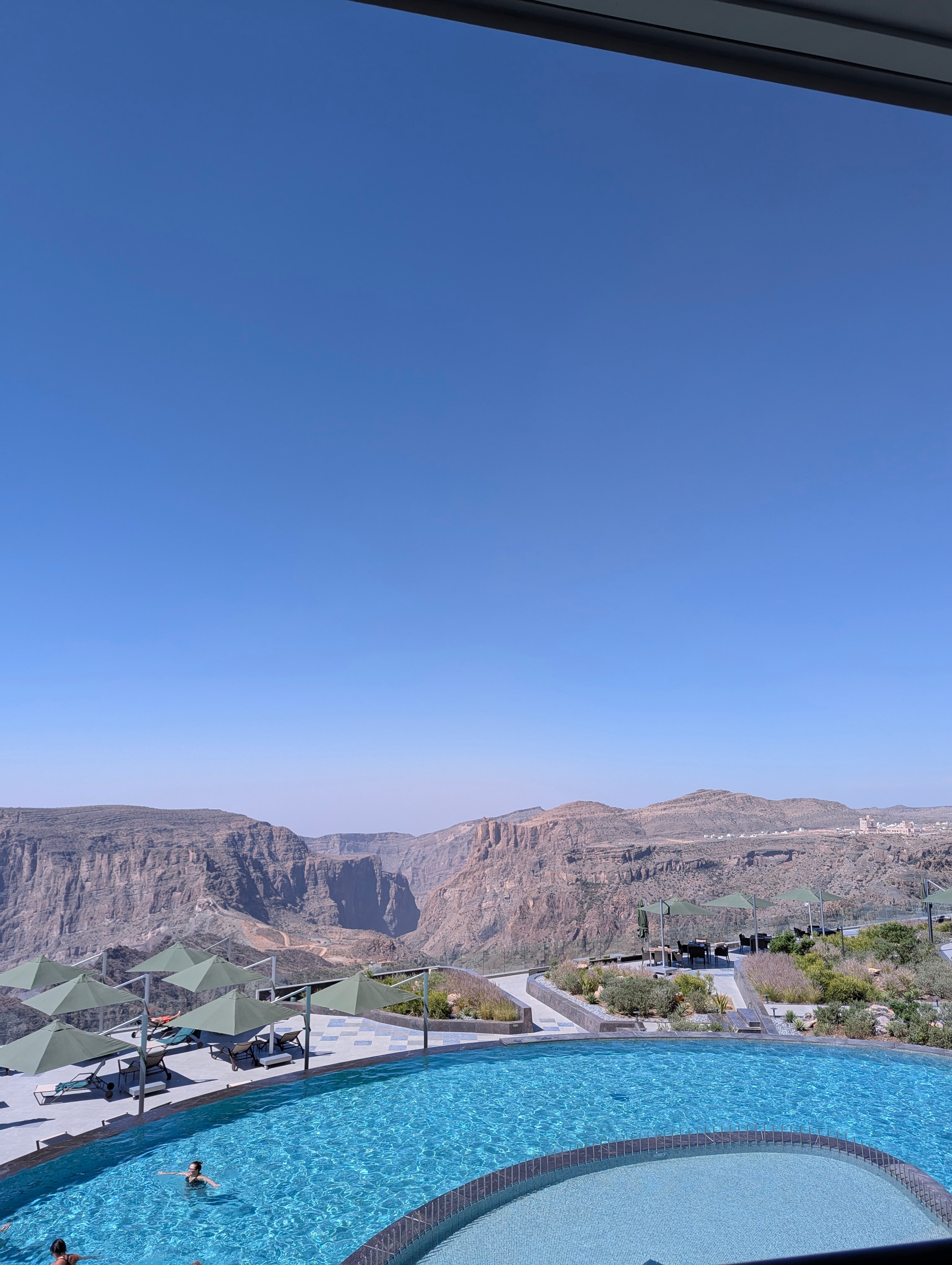
The canyons of Jabal Akhdar, from Hotel Indigo Jabal Akhdar. Photo: Author
The limestone range spans roughly 80 km long and 32 km wide and has some of Oman's most breathtaking wadis, terraced orchards, and the Saiq plateau. The town is only accessible on four-wheel drive vehicles. A steep highway, with cars that only locals can maneouvre here, takes you to Jabal Akhdar. Its mild Mediterranean climate is a notch lower than Muscat's, and winter is especially cold here.
The Hills Of Oman, And A 500-Year-Old Cliffside Village
When NDTV visited Jabal Akhdar, a nip in the wind greeted us as the sun set somewhere behind the rugged canyon. The skin-peeling temperatures of Muscat were almost unbelievable here. In winter, Jabal Akhdar sees snow on some very cold days. Canyon life in Jabal Akhdar is peppered with drama and adventure. A meal at The Suwgra is an absolute must-have when you're in Jabal Akhdar. The drama? Wait for it.
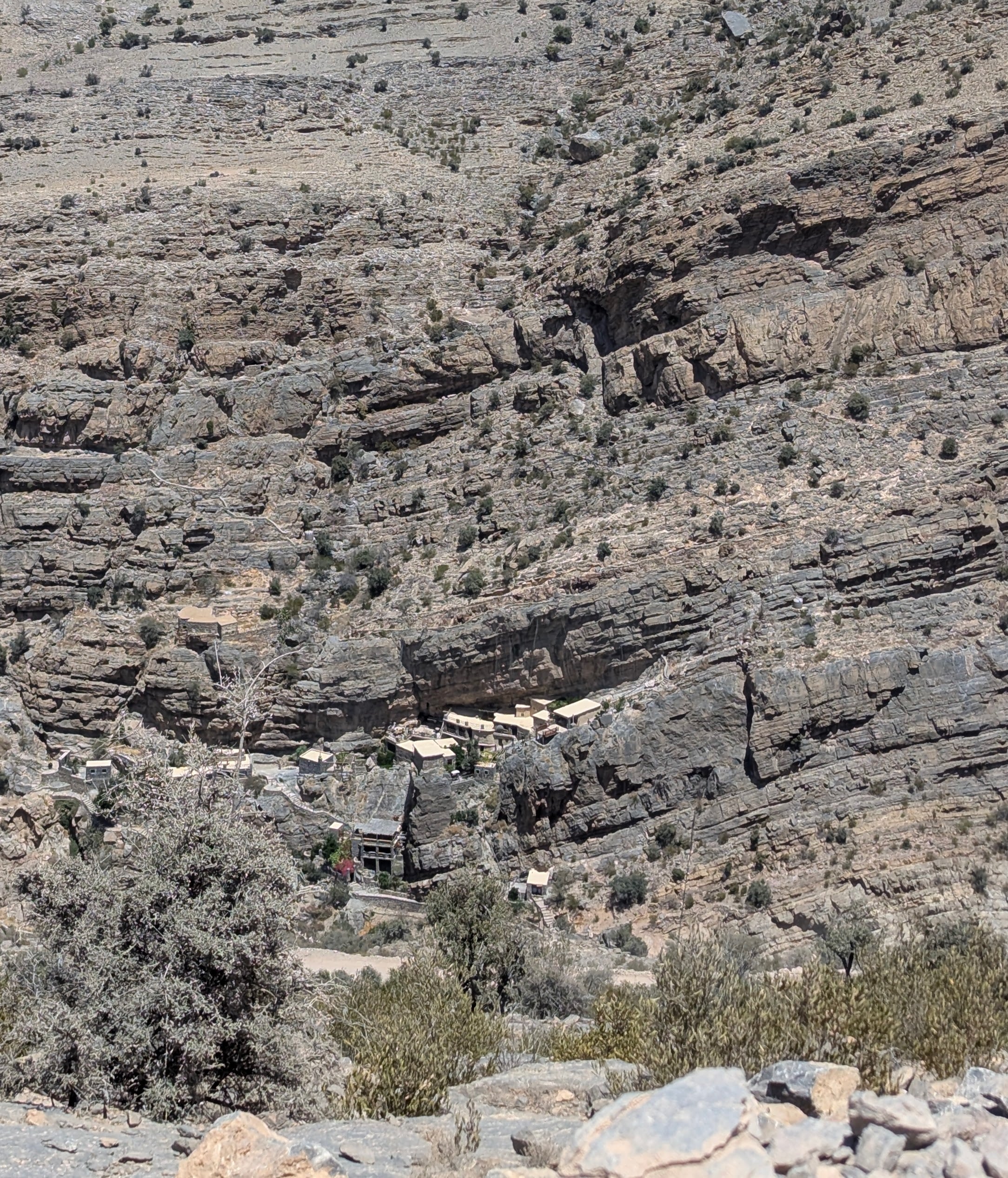
Homes carved into the Al Hajar mountains in Jabal Akhdar. Photo: Author
You cannot drive to The Suwgra, one of the oldest cliffside settlements in Oman. The village dates back 500 years and preserves the ancient way of Omani living in near-perfection. A half-hour drive from our resort took us to the gateway to The Suwgra. A tiny outpost, actually, where all cars need to be parked. You walk in through the gate and a 500-stair descent greets you on the other side.
The climb down is easy. You take the flights of stairs straight to the bottom of the hill, cross a bridge, and start climbing the hill on the other side. This is the not-so-easy part. You see mountain goats and mountain men pass you by with breathtaking alacrity as you stop to catch a breath one too many times. The guides prod you on: "Not too far now, come on!"
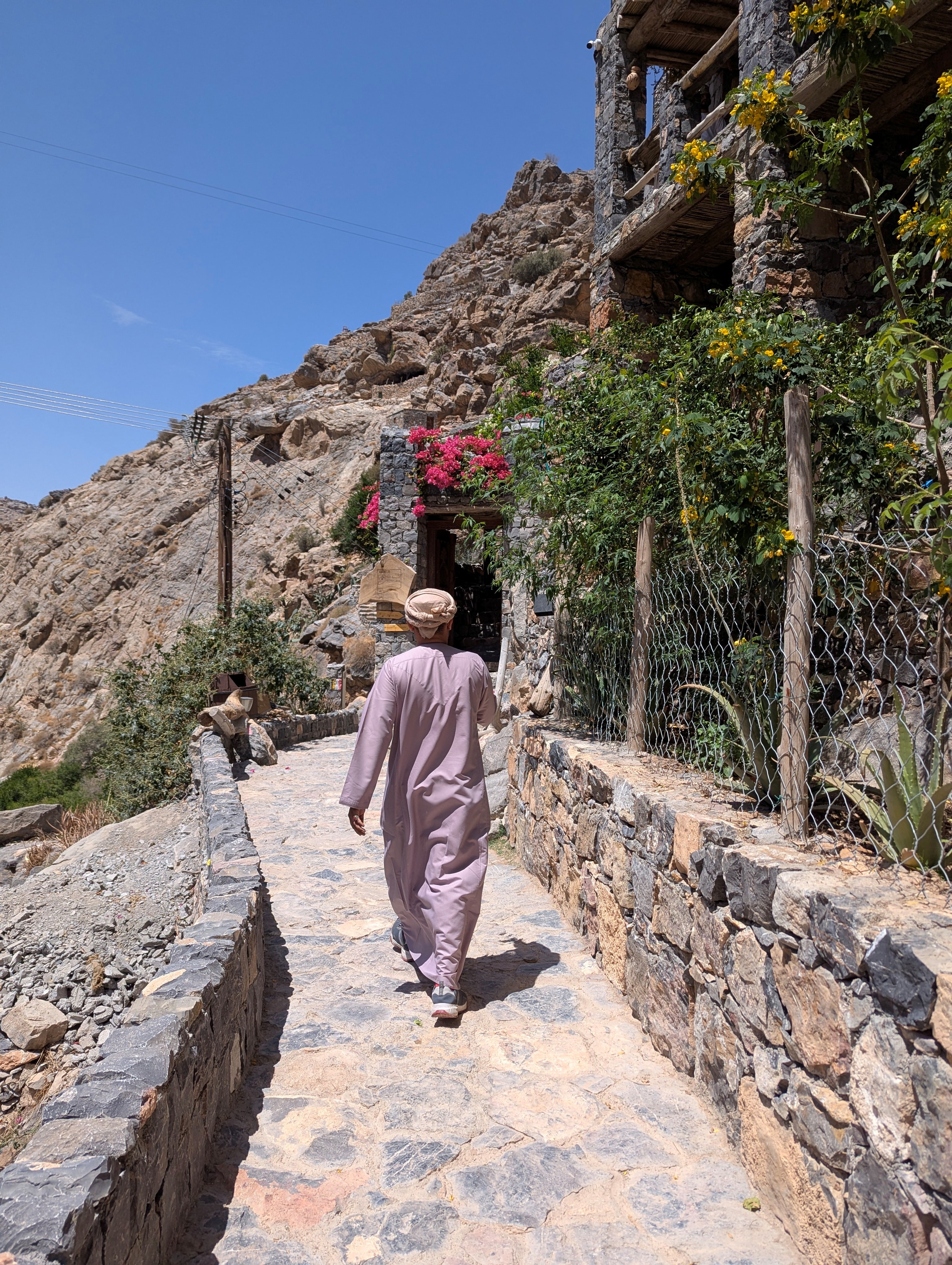
To The Suwgra. Photo: Author
The images of an Omani feast on the other end of the climb is all too enticing and keeps us going. One of us jokes, "This is the toughest thing I have had to do for a meal!" We pant in agreement. Soon, the striking side of a stone building, a giant crescent carved on it, emerges in front of us. "We've made it," announces our guide-driver.
The Suwgra has a restaurant carved into the side of the mountain. We watch our food taking the zipline from the other mountain and I heave a sigh, only if we could take the zipline instead of the 500-stair cardio to get to lunch!
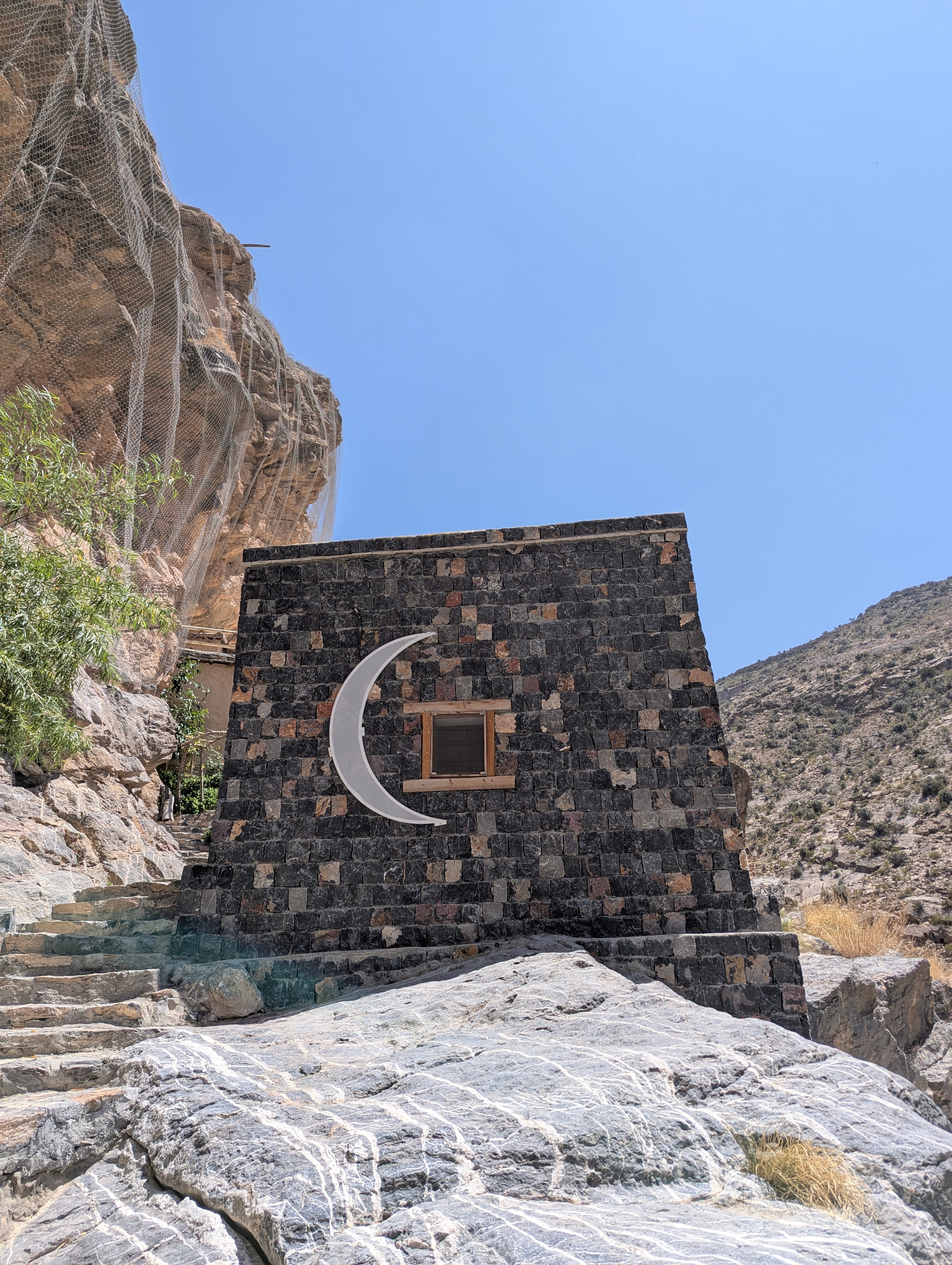
The stone facade with a crescent. Photo: Author
Up on the hill, a jaw-dropping drop plays the perfect background for the lunchtable. Casserole after casserole of Omani delights are ladled out of, and over non-Omani biryani and muffins, we breathe in the thin Omani air on top of the hill. The guide nudges us. It is time to make the walk back.
Damask Roses And The Souks Of Oman
Jabal Akhdar's hills are fragrant with Damask roses at this time of the year. Every spring and early summer, these roses are picked, distilled and then sent to the House of Amouage to craft some of the most expensive perfumes on the planet. While the Amouage factory in Seeb outside Muscat gets the best of the roses, head to the souks in Muscat or Nizwa for your bottles of oud. Woody, musk, Oman's souks have them all.
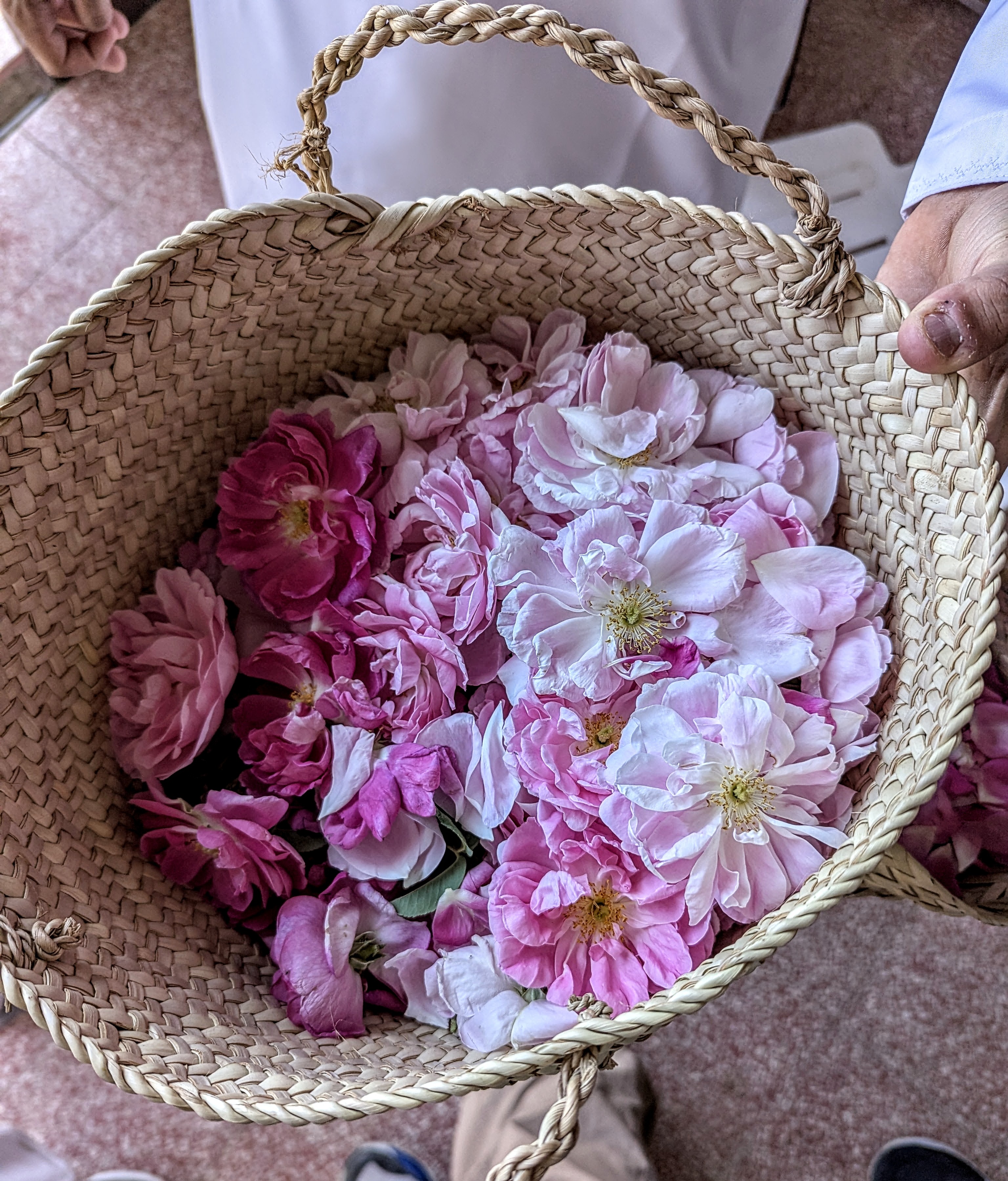
Damask roses. Photo: Author
For Oman, the spectacle doesn't reside in the record-breaking skylines of its neighbours in the Gulf. It lies in the heritage and history that are inextricably and stubbornly its own. The country's highlight lies in how lightly it sits on the land, and teaching its visitors to look at the land beneath their feet again.
FACTSHEET
Where: Oman, perhaps the Middle-East's most underrated gem, lies in the southeastern part of the Arabian Peninsula. The coastline faces Arabian Sea on the west, and the Gulf of Oman on the northeast. It shares land borders with Yemen, Saudi Arabia, and the United Arab Emirates.
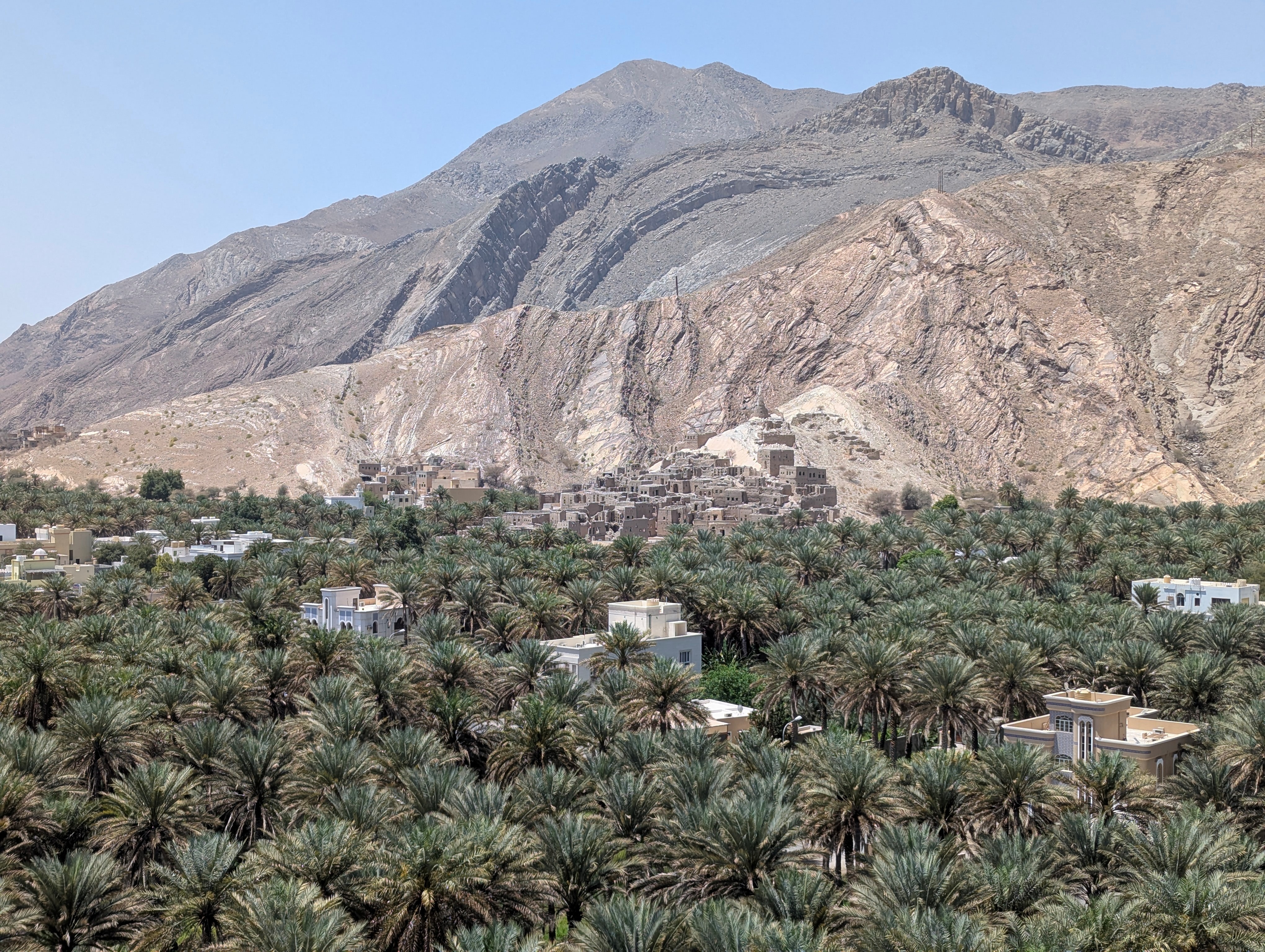
Birkat Al Mouz, a historic village near Nizwa. Photo: Author
How to go: Oman is well-connected by air from various Indian cities. The country's flag carrier, Oman Air, operates direct flights to Oman from 12 Indian cities multiple times a week. In addition, airlines like IndiGo and Air India Express also fly India to Oman. A direct flight from Delhi to Muscat takes about 3.5 hours, while one from Mumbai to Muscat takes about 3 hours.
Visa For Indian Passport Holders: Indian passport holders need an e-visa to enter Oman. They can apply for one on the government visa portal.
Oman's currency, the Riyal is among the strongest in the world. The Omani Riyal is the third strongest currency at the moment, and stays among the top few. One Omani Riyal translates to INR 235.
Also Read: Inside An Oman Factory Where The World's Most Expensive Perfumes Are Made
Also Read: Why Saudi Arabia Is Pouring A Billion Dollars Into The Red Sea
Also Read: More From NDTV Luxury
Track Latest News Live on NDTV.com and get news updates from India and around the world
