





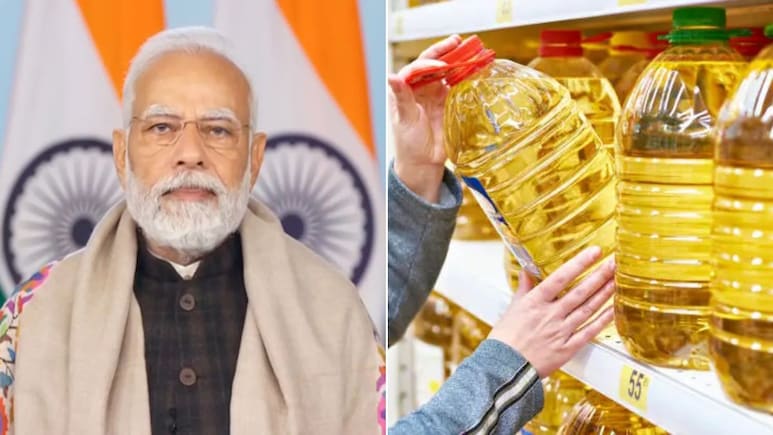
- Prime Minister Modi urged Indians to reduce vegetable oil consumption for economic reasons
- India imported $19.5 billion of vegetable oils in 2025-26, straining forex reserves
- Experts link excessive oil use to obesity, diabetes, and heart disease risks
PM Modi's Speech: Prime Minister Narendra Modi has urged Indians to cut down the use of vegetable oil. For many, this came as a surprise.
He also asked people to use less fuel and avoid buying gold, but that was relatively easy to understand. Both are heavily imported. Both impact India's forex reserves. But cooking oil? That felt too basic. Too routine. Too everyday.
Yet, the inclusion was deliberate.
India imported $19.5 billion worth of vegetable oils in 2025-26. That is a massive outflow of foreign exchange for something used daily in millions of kitchens. Reducing this import bill can directly help narrow the current account deficit. And when the deficit narrows, the pressure on the rupee eases.
Notably, this is not the first time the Prime Minister has spoken about oil consumption. In many speeches and even during Mann Ki Baat, he has urged people to use less oil -- often linking it to better health.
However, this time, the PM's message carries both economic and health undertones.
With the ongoing Iran war disrupting global trade and energy routes, the government is clearly looking at every possible way to reduce avoidable imports. Edible oil is one of them.
But if people cut down on cooking oil, the obvious question is: what is the alternative?
A Health Problem Hiding In Plain Sight
Dr Sujit Paul, Health Expert at Zota Healthcare Ltd. (Davaindia), says the Prime Minister's appeal points to a deeper public health issue.
"Excessive fried food, chips, and processed food consumption has quietly become a lifestyle problem. The body needs only tiny amounts of oil. Excess intake leads to obesity, heart disease, diabetes, and inflammation."
He says the solution is not to panic or eliminate oil overnight. It is to change the way food is prepared.
Steaming. Grilling. Roasting. Pressure-cooking. Sauteing with minimal oil. Even air-frying. "These methods reduce extra fat intake while keeping both nutrition and flavour intact," he explains.
Traditional Indian cooking, he says, already had answers. Boiling. Pressure-cooking. Curd-based gravies. Tomato-based preparations. All of these need very little oil.
'You Don't Need Oil For Taste'
Dr Paul suggests shifting focus from oil to ingredients that naturally add texture and taste. Nuts. Seeds. Avocados. Fatty fish. These contain healthy fats and essential nutrients.
Herbs, spices, lemon, yogurt, garlic, and tomato-based dressings can enhance taste without heavy oil tempering. He also stresses portion control and mindful eating.
"The idea is preventive healthcare. Not strict dieting. Small sustainable changes that improve long-term well-being," he says.
Moderation, Not Elimination
Dr Sameer Bhati, Public Health Analyst, echoes a similar thought. "This is a preventive health message wrapped inside an economic appeal."
He points out that India has seen a sharp rise in lifestyle diseases - obesity, hypertension, fatty liver, diabetes. A large part of this is linked to fried and processed foods rich in unhealthy fats.
But he cautions against extreme reactions. "Nutrition experts don't recommend stopping oil completely. They recommend better cooking methods."
Steaming. Roasting. Fermenting. Grilling. Pressure-cooking. Air-frying. All reduce the need for refined oils while preserving nutrients.
Ingredient-Based Alternatives Are Rising
Dr Bhati says a silent shift is already happening in kitchens. Curd. Coconut milk. Nut pastes. Sesame. Flaxseeds. Even avocados.
These ingredients add body and richness to dishes without needing spoonfuls of oil. Flavour, he says, can come from herbs, spices, lemon, garlic, and tomato-based bases rather than oil-heavy tempering.
He sums it up in three words: moderation, awareness, long-term wellness. "What makes the Prime Minister's message powerful is where the solution lies. Not in policy rooms. Not in industries."
Dr Bhati adds, "But in kitchens. If millions of households reduce edible oil consumption even slightly, the impact on imports can be significant. That means lower forex outflow. A smaller current account deficit. Less pressure on the rupee. And at the same time, a healthier population."
Track Latest News Live on NDTV.com and get news updates from India and around the world

