





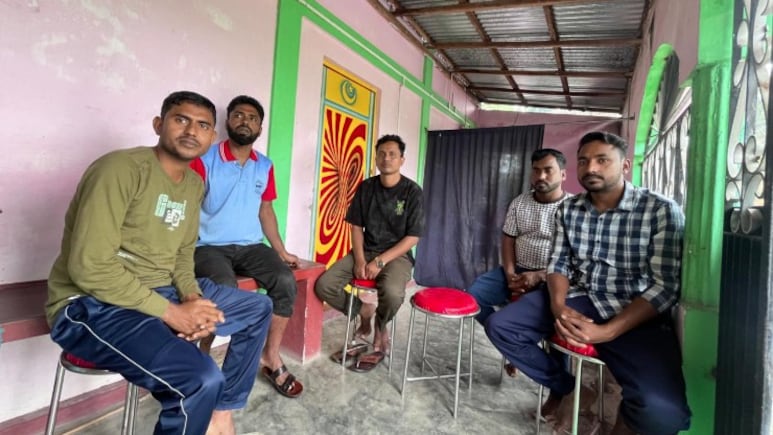
What if they are not allowed to vote? This is the overriding concern and worry among the villagers of the former Bangladeshi enclaves in Cooch Behar districts after special intensive revision, or SIR, of the electoral rolls in Bengal.
NDTV visited the affected villagers spread across Dinhata, Mathabhanga, Mekhligung subdivisions of Cooch Behar districts.
In 2015, the historic land boundary agreement (LBA) between India and Bangladesh paved the way for the resolution of the seven-decades-long problem of enclaves between the two countries.
That agreement ended the 68-year-old "chhitmahal (enclave)" tangle and swapped 162 enclaves between the two countries. Tens of thousands of people, who had lived for generations in a legal vacuum, were promised full citizenship and land rights on both sides of the border.
Post-SIR, things are not the same. The villagers are now running from pillar to post for voting rights.
Enclave dwellers have been demanding that 2015 electoral roll details - the year they were first recognised as Indian voters - be included in current SIR enumeration forms instead of outdated records from 2002.
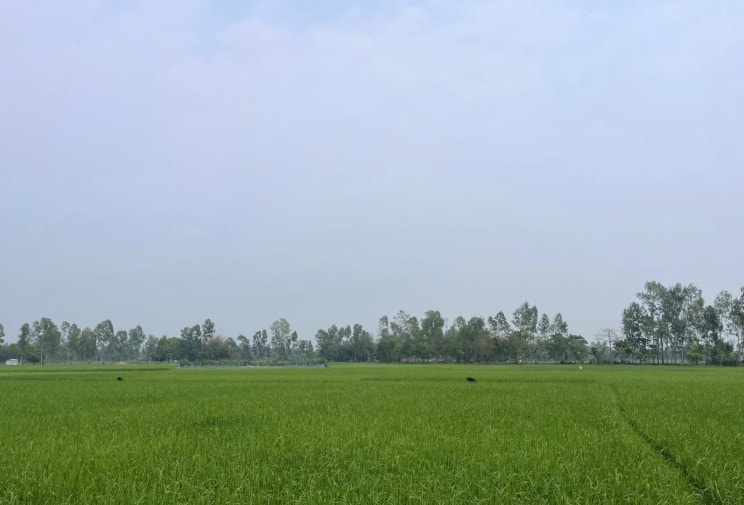
"Through historical enclave exchange we became Indians by choice. Since 2015 we have voted in every election. We did not want to be part of SIR as we do not have any documents from 2002," Saddam Hussain, a villager, said.
"We think government does not want us. They are insulting us," Baniz Sheikh, another villager, said.
Thousands of them have been put under "adjudication" and with elections round the corner, the worry has intensified.
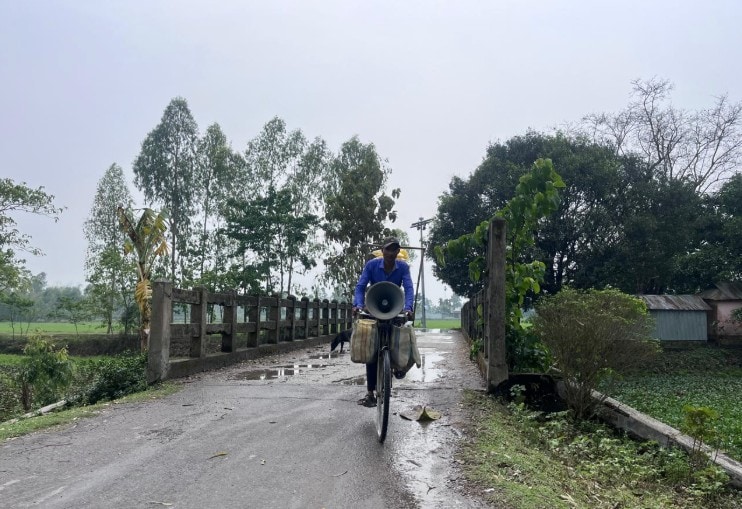
Around 400 residents of the erstwhile Bangladeshi enclaves of Madhya Mashaldanga village in Dinhata could not find their names in the first supplementary list of SIR.
When NDTV visited Osman Gani, the lone ayurvedic doctor of the village, he was busy with his patients. Gani and his family had chosen India as their motherland during the land boundary agreement between India and Bangladesh. But this doctor family is yet to see their name in the SIR list.
"I do not understand why the government is toying with our citizenship. The very government that facilitated the exchange of enclaves is the one that has now left our status in legal limbo. We do not fall within the purview of the provisions of the SIR. After all, we only acquired our citizenship in 2015. It now feels as though coming to India was a mistake on our part," Gani said, showing his passport on his mobile phone.
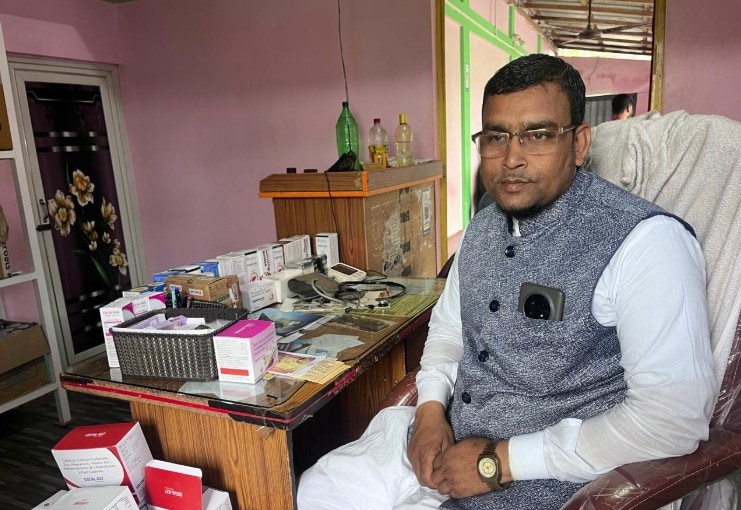
Osman Gani, an ayurvedic doctor
NDTV spoke to an elderly woman who said she is the only member of her family who would be able to vote, but the fate of 12 others of her family is still under limbo.
"The names of my son, daughter-in-law, grandson, and granddaughter-in-law none of them appear on the list. In fact, the names of about 10 to 12 people have been left out. I, however, will be able to vote. I have voted for 'Didi' all my life, and I will vote for her this time as well. Here in our village of Balarampur, almost no one's name is on the list. Go and see for yourself," the woman, who did not wish to be named, told NDTV.
A dismayed villager threatened that no ballot boxes will be allowed to pass through the village if they are not allowed to vote.
"If we are not granted our voting rights, we will not allow a single ballot box to pass through this village. Since you refuse to let me cast my vote, no ballot boxes shall now pass through this enclave. We will pursue legal action against this. If necessary, we will even apprise the government of Bangladesh of the matter," Jaynal Hossain Mondal said.
Bengal will go to polls in two phases: April 23 and 29. The votes will be counted on May 4.
Track Latest News Live on NDTV.com and get news updates from India and around the world

