





- Albert Einstein failed a practical physics course at ETH Zurich during his studies
- Einstein skipped classes and disliked routine lab work, leading to his failing grade
- ETH Zurich displays Einstein’s locker, showcasing personal items and his academic journey
A little-known fact: one of the greatest scientific minds in human history failed a physics class. Yes, Albert Einstein, whose name today is synonymous with genius, once received a failing grade while studying at the Federal Institute of Technology (ETH) in Zurich, then known as the Swiss Federal Polytechnic.
The failure is recorded in his student transcript, preserved in the archives of the prestigious institution. It is a reminder that academic setbacks do not always define a person's future. ETH records Einstein as going "from a mediocre student to Nobel Prize winner".
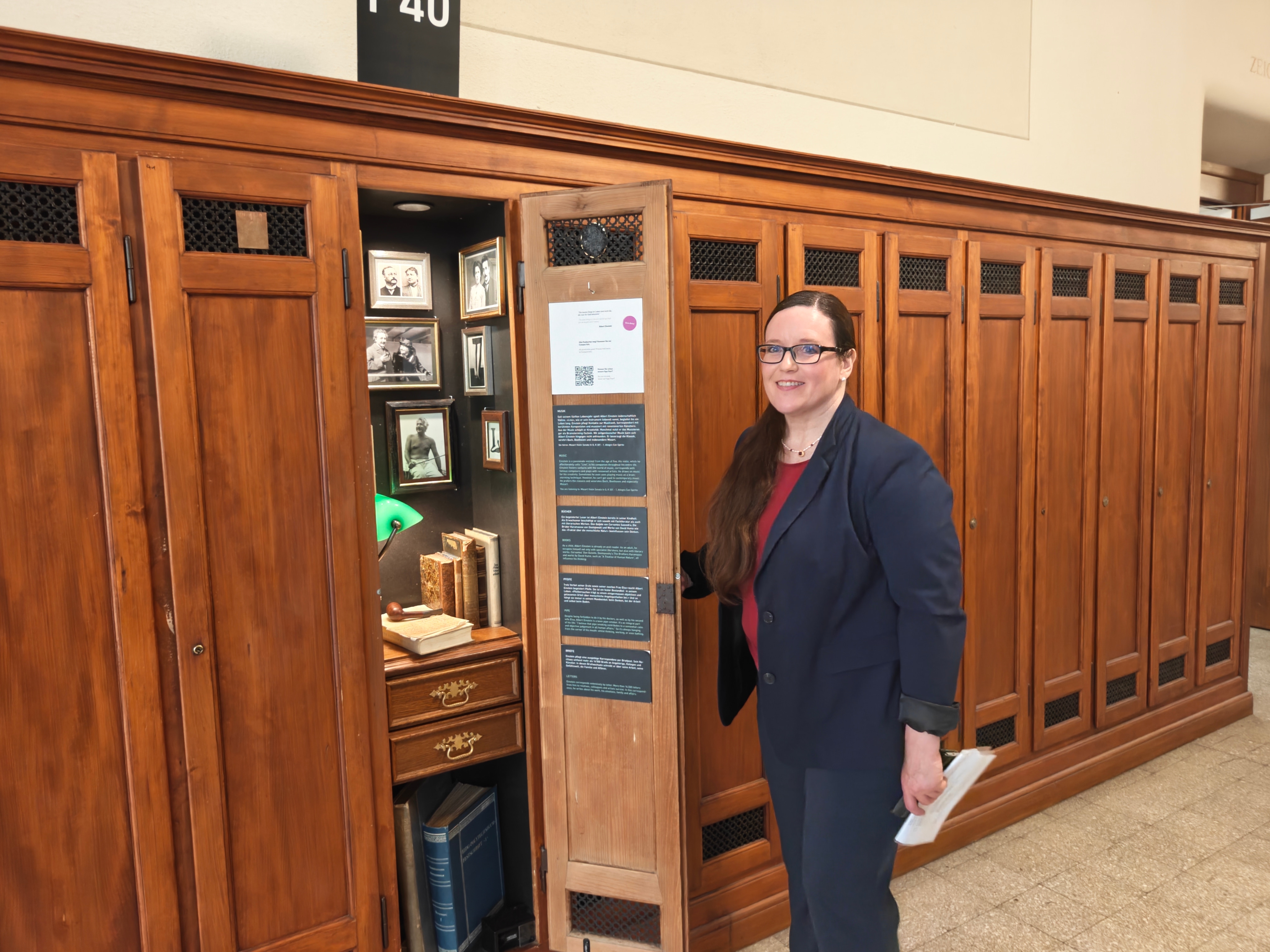
Photo Credit: Pallava Bagla
For millions of students in India anxiously preparing for examinations like the National Eligibility cum Entrance Test (NEET) for medical entrances and the Joint Entrance Exam (JEE) for engineering entrances, and for parents worried about marks and rankings, Einstein's story carries a powerful message. Success is not always a straight line. Sometimes a student who struggles within the rigid framework of formal education can go on to change the world.
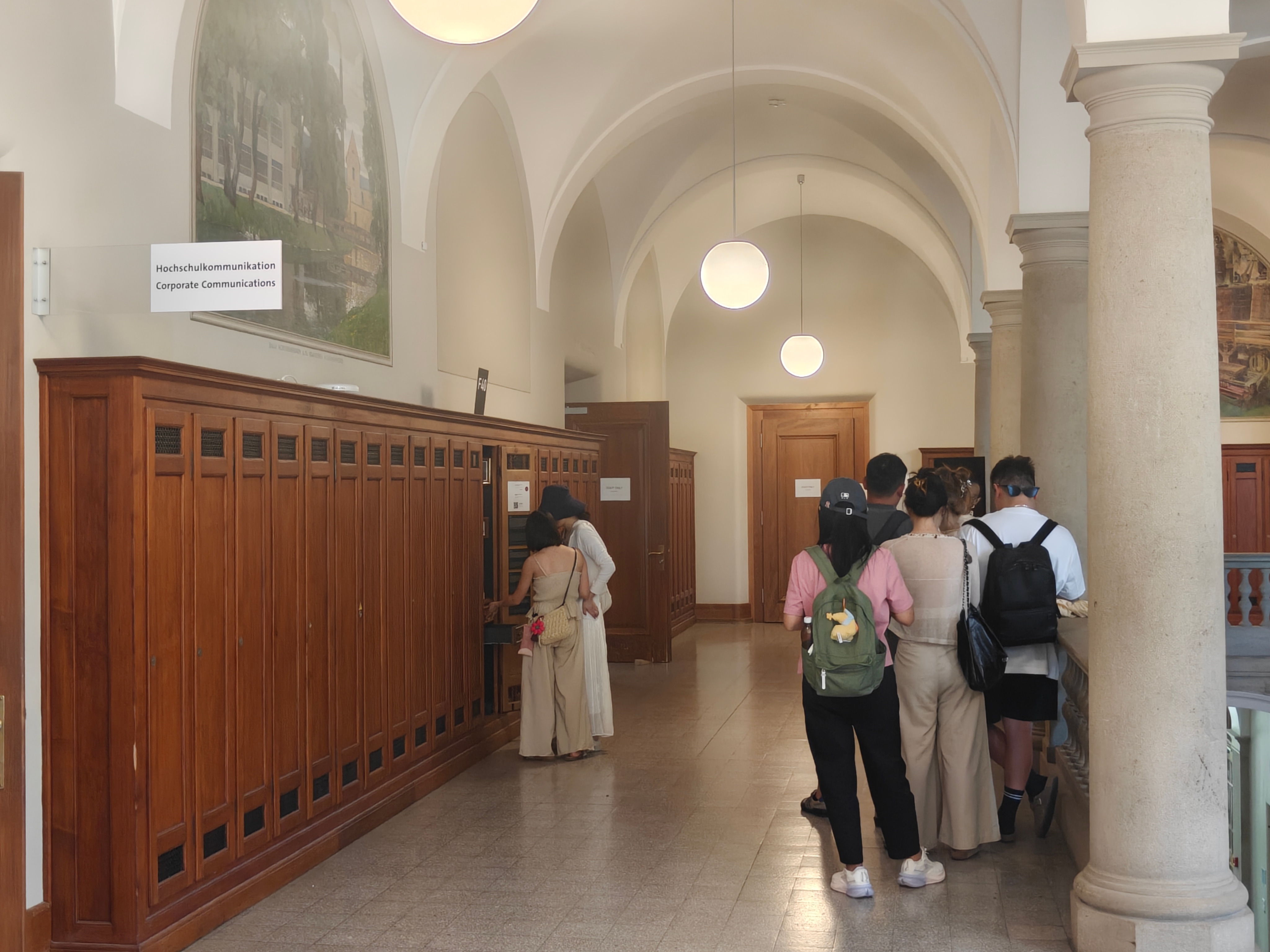
Visitors queue up to see Albert Einstein's locker
Photo Credit: Pallava Bagla
When NDTV's Science Editor Pallava Bagla visited ETH Zurich, Einstein's years at the university came alive through a remarkable museum display centred on the famous physicist's student locker. Today, the locker has become one of the most visited attractions at the university, drawing tourists, science enthusiasts and students from around the world eager to glimpse the life of the man who revolutionised physics.
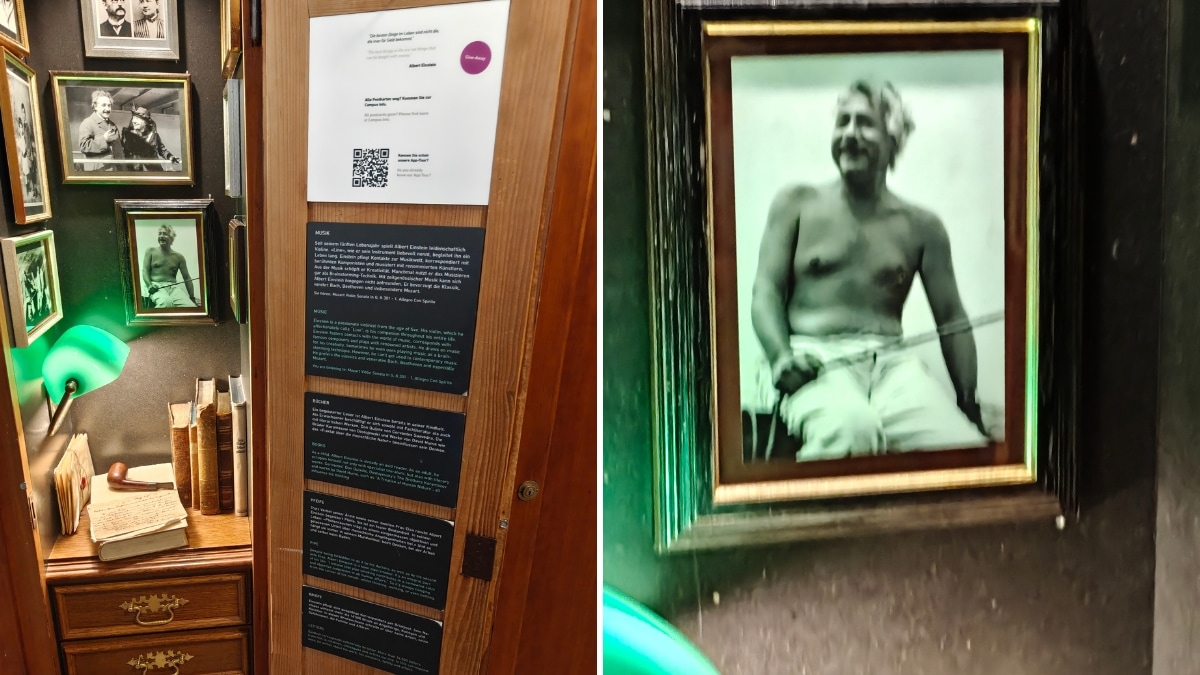
Photo Credit: Pallava Bagla
The refurbished, elegant wooden locker is much more than a student's storage cabinet. It is a window into Einstein's life. Inside are photographs of his family, reproductions of letters and writings, stories about his personal quirks and recordings of his voice speaking in German. Visitors can listen to Einstein himself, bringing history to life in a uniquely personal way.
There are photographs of his first wife Mileva Maric, his children Hans Albert and Eduard, and later his second wife Elsa Lowenthal. The display also includes some of Einstein's writings and anecdotes that reveal his unconventional personality.
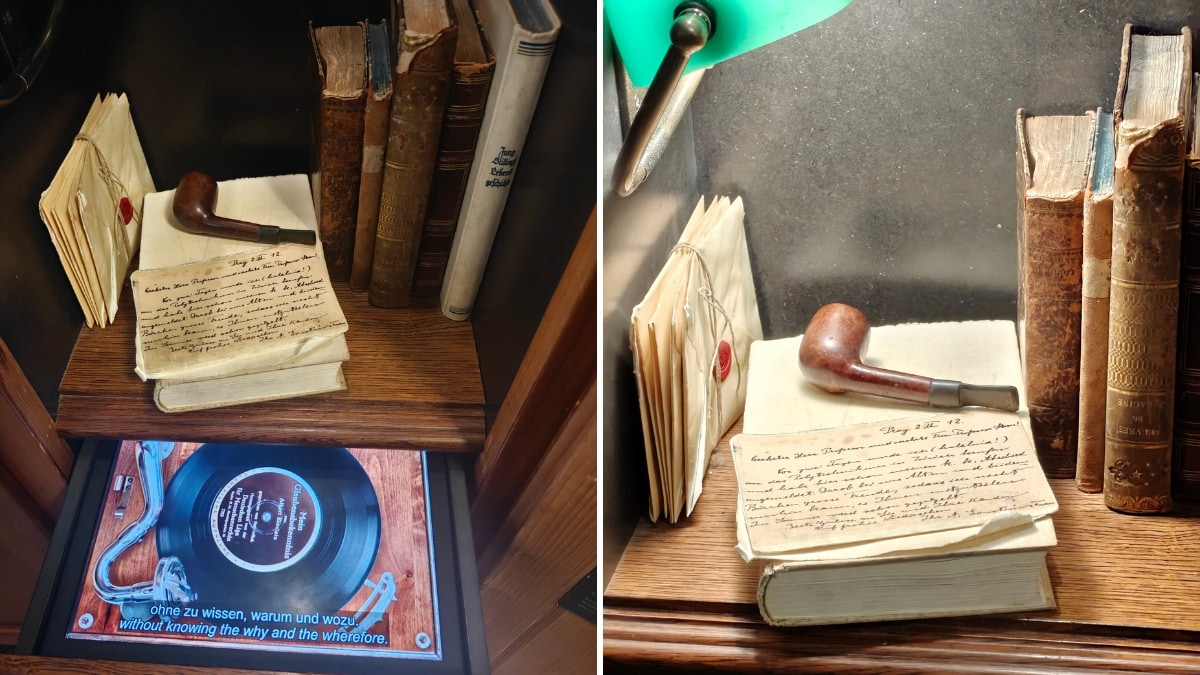
Photo Credit: Pallava Bagla
One story that particularly delights visitors is Einstein's dislike of socks. Marianne Lucien, International Communication Officer at ETH, points to a photograph of Einstein at a beach and recounts a famous anecdote. "Einstein never really liked to wear socks," she said. "In a letter to his colleague, Einstein writes that even on the most solemn occasions, he got away without wearing socks and hid the lack of wearing socks by donning high boots."
She notes that Einstein even visited the White House and met US President Warren G. Harding without wearing socks.
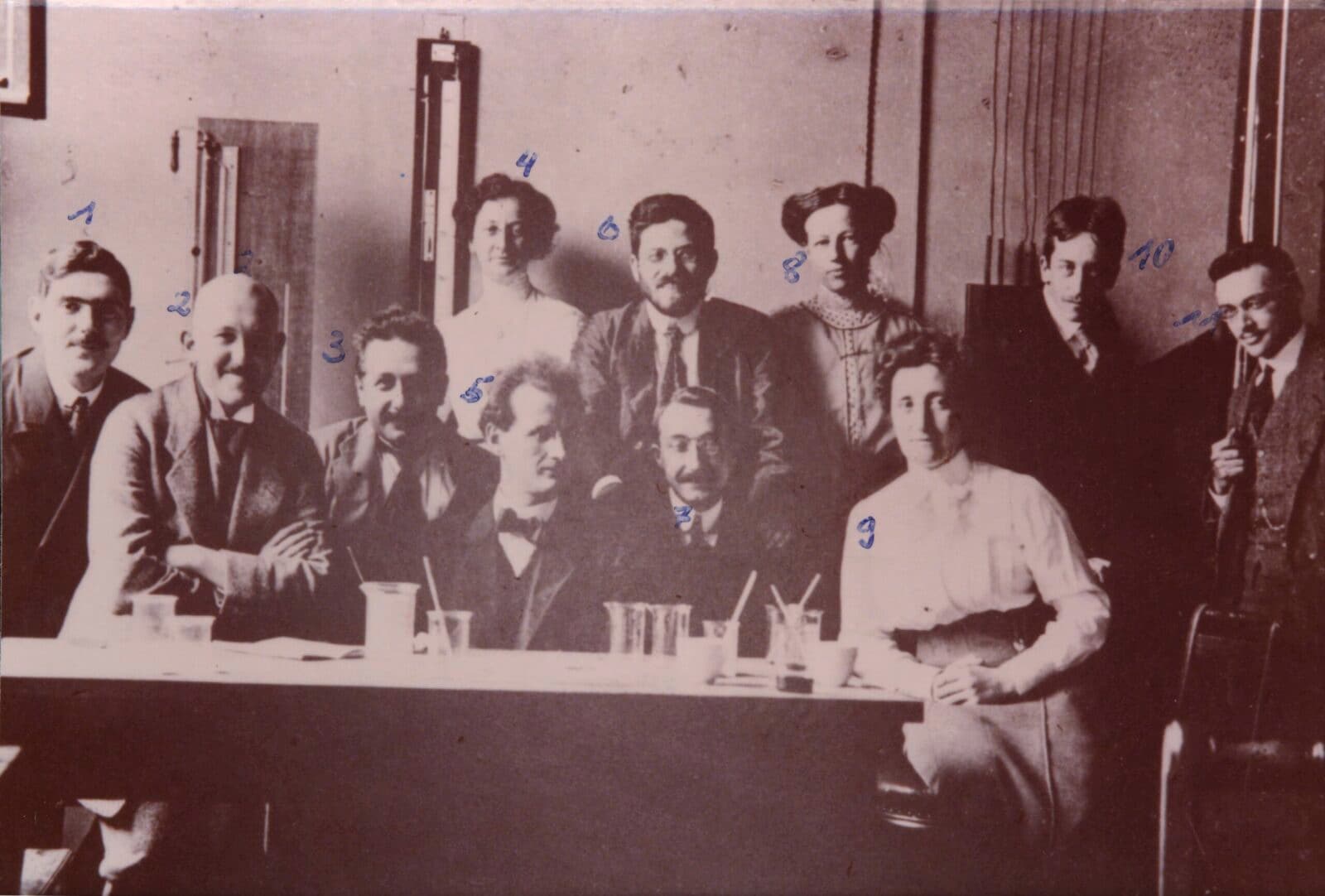
Albert Einstein with colleagues at ETH
Photo Credit: ETH
But the most fascinating story concerns a large handwritten "1" on Einstein's academic transcript, which is a failing grade (this is not displayed at the exhibition). Marianne explains: "Albert Einstein's original transcripts here as a student between 1896 and 1900 demonstrate that he, well, he didn't really like to go to class."
She continues, "There's a practical course of physics in his transcripts that has a very large digit one written in handwritten script, and it's almost double the size of the other marks on his transcript. And that one symbolises a failing grade for the practical course in physics, which was a laboratory course that Einstein probably just didn't show up to."
The irony is extraordinary. The student who would later transform physics failed a physics laboratory course.
Yet the reasons tell us much about Einstein's personality. According to records preserved by ETH Zurich, the young Einstein was less interested in routine laboratory work and far more fascinated by the great theoretical questions of the universe.
In March 1899, when he appeared before Professor Jean Pernet, who taught practical physics, Einstein's poor attendance and lack of enthusiasm for laboratory exercises had become impossible to ignore, as he skipped classes regularly. The professor eventually failed him with the lowest possible grade.
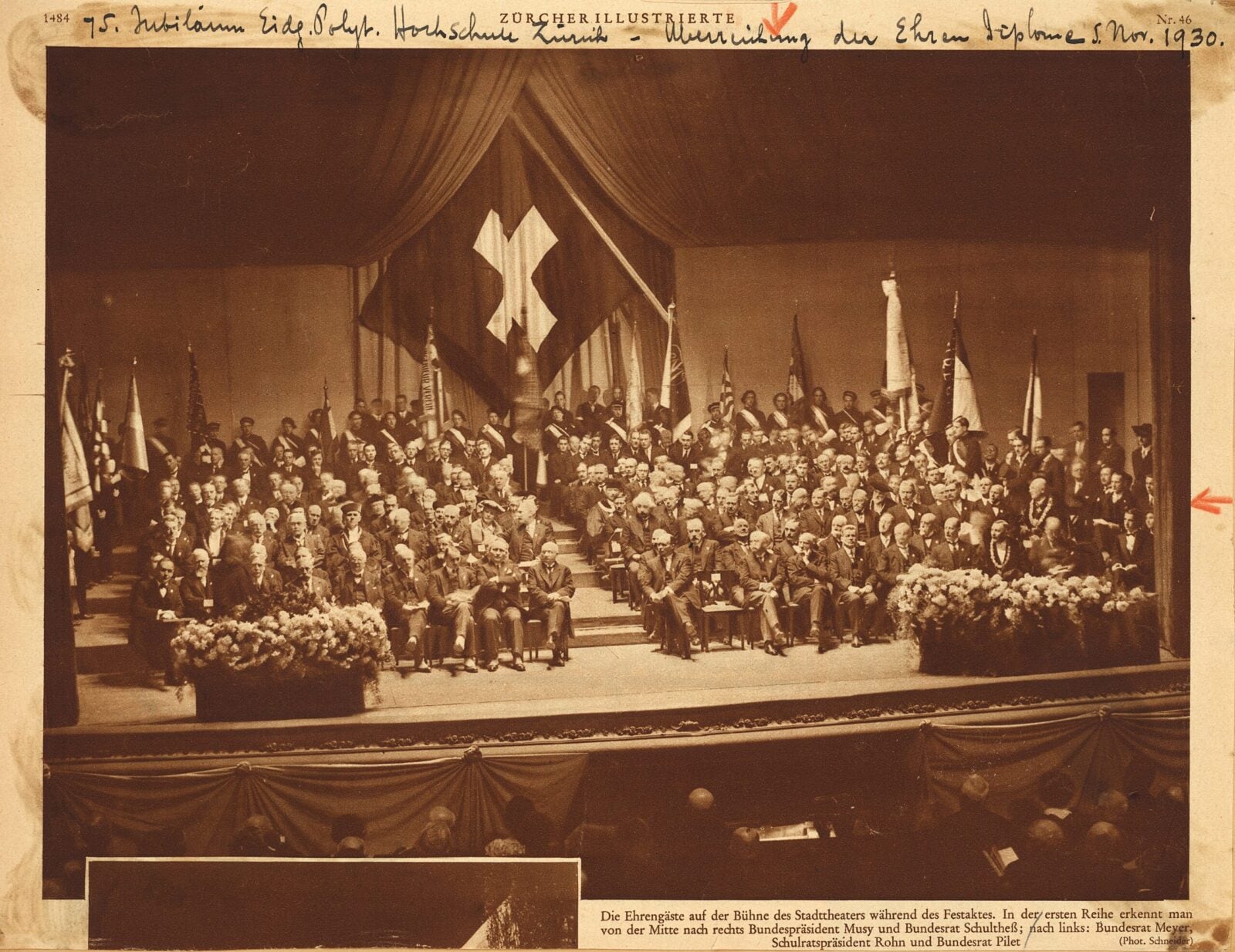
Photo Credit: ETH
The official ETH account records a memorable exchange between professor and student. When asked why he did not pursue medicine, law or philology instead of physics, Einstein replied: "Because I don't have a talent for them, professor. Why shouldn't I at least try physics?"
That confidence would prove to be fully justified.
Einstein enrolled at ETH Zurich in October 1896 at the age of just 17. Even then he was different from his fellow students. Decades later, he reflected on his university years with remarkable honesty.
According to ETH records, Einstein wrote in 1955 that a good student must be able to absorb information easily, diligently record lecture notes and conscientiously complete assigned work. "Regretfully, I realised that I fundamentally lacked all these qualities," Einstein admitted. Instead, he described himself as "a vagabond and loner". Those words are now part of Einstein's legend.
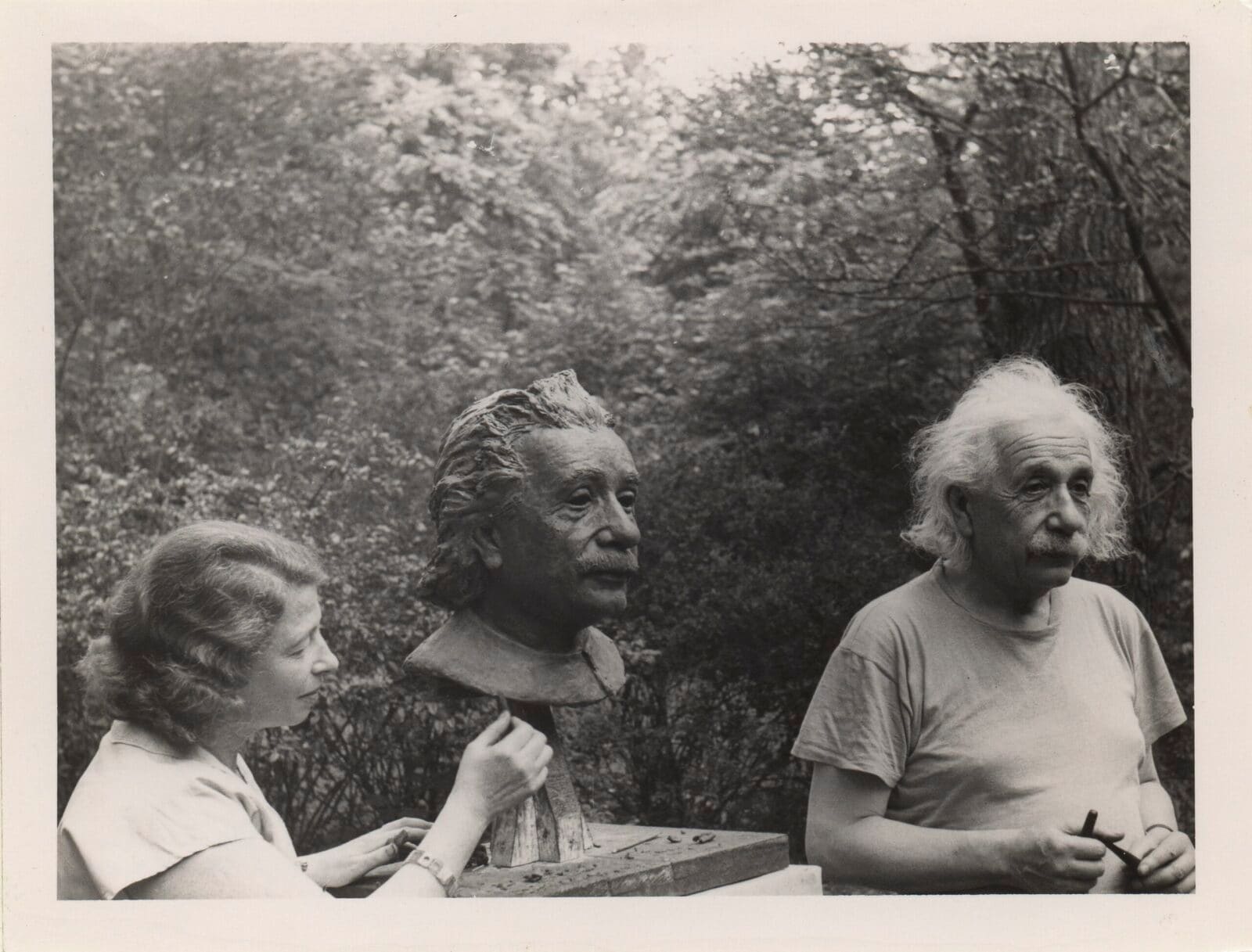
Photo Credit: ETH
What he lacked in conventional academic discipline, however, he made up for with extraordinary curiosity. He was obsessed with understanding the deepest mysteries of nature.
University records show that Einstein frequently skipped lectures. His close friend Marcel Grossmann often rescued him by sharing carefully prepared lecture notes. Grossmann's notes helped Einstein survive examinations and eventually graduate.
Even then, Einstein was hardly a star student. He graduated with an average score of 4.91 and was near the bottom of his class. He was also the only graduate not offered an assistantship, records at ETH show. Rejection after rejection followed.
Looking at his student record, few could have predicted that this young man would one day become the most famous scientist in history.
Another important chapter of Einstein's life also began at ETH Zurich.
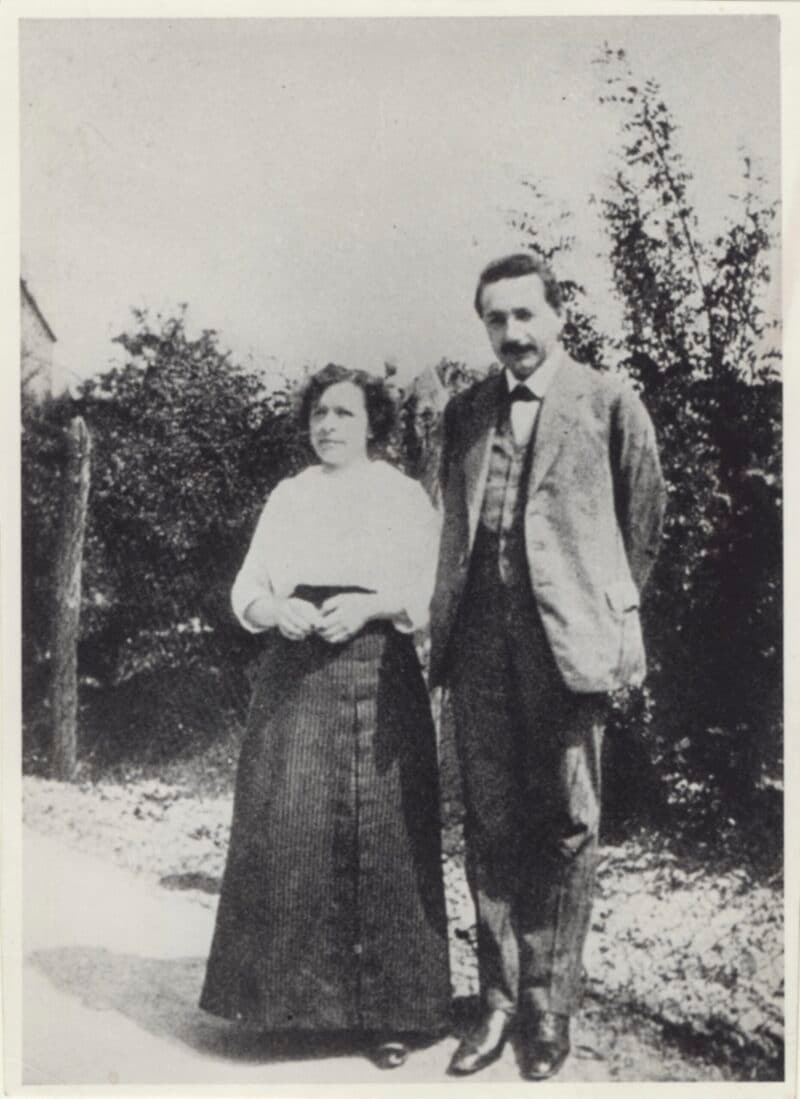
Photo Credit: ETH
Mileva Maric, a brilliant Serbian student, was the only woman in Einstein's class. The two met while studying physics and mathematics and soon developed a close relationship.
Marianne Lucien told NDTV, "This is Albert Einstein's first wife. She was the only woman in the class when he studied here."
Einstein admired her deeply. In one famous letter quoted by ETH, he wrote to Mileva: "How happy and proud I will be when the two of us together will have brought our work on relative motion to a successful conclusion."
Historians continue to debate the extent of Mileva's contribution to Einstein's scientific work. What is beyond dispute is that she was exceptionally talented and played a major role in his early life.
The couple married and had children. But the marriage eventually collapsed. By then Einstein's fame was growing. He divorced Mileva and later married his cousin Elsa.
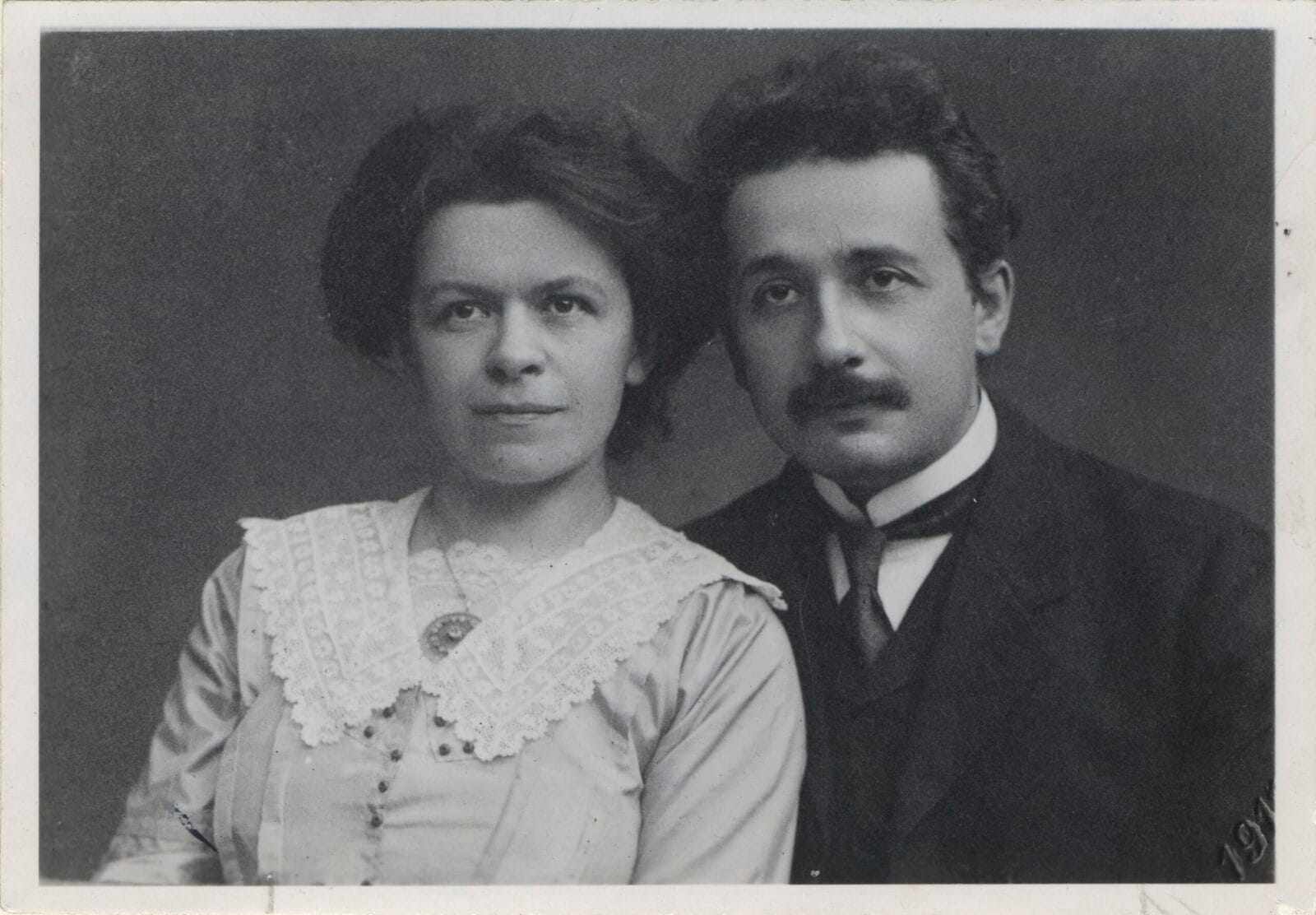
Albert Einstein and his first wife Mileva Maric met at ETH.
Photo Credit: ETH
Standing beside the display at ETH Zurich, Marianne Lucien points to a photograph of Elsa and remarks: "She's the one who stuck with him after his divorce from Mileva, and she happens to be his first cousin. So quite a bit scandalous for that time." It was indeed controversial by the social standards of the early twentieth century to marry one's cousin.
After graduation, Einstein's career did not take off immediately. Unable to secure an academic post, he drifted through temporary jobs before finally finding work at the Swiss Patent Office in Bern.
Ironically, it was there, away from university laboratories and academic politics, that the genius flourished. Working during his spare time, Einstein produced a series of papers that transformed science forever.
One of the biggest misconceptions about Einstein concerns his Nobel Prize. Most people assume he won the Nobel Prize in Physics for the Theory of Relativity. He did not. Einstein actually received the Nobel Prize for his work on the photoelectric effect, not the theory of relativity. The photoelectric effect explained how light can release electrons from a material. This breakthrough helped establish the foundations of quantum physics.
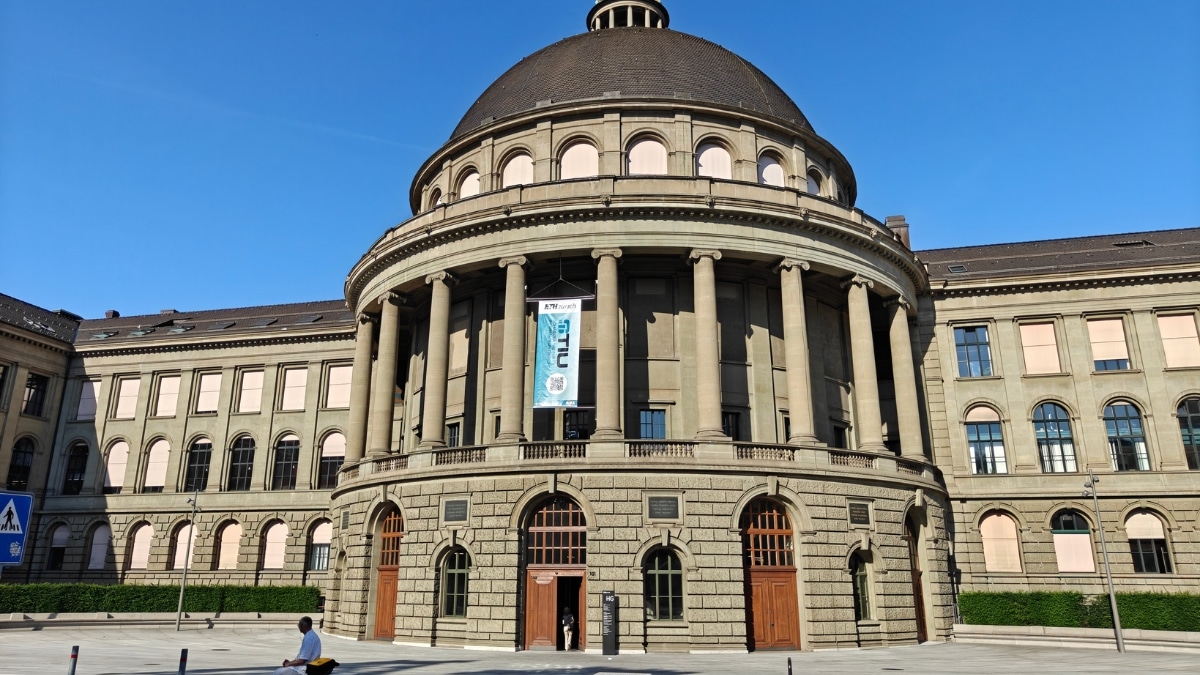
Entrance of ETH university
Photo Credit: Pallava Bagla
The impact of that work continues today. Modern technologies such as solar cells, electronic imaging systems and many parts of the digital world trace their origins to the scientific principles Einstein helped uncover. The understanding of light and matter that emerged from his work became part of the technological foundation that supports countless modern devices, including systems used in GPS navigation and smartphone communications.
Today, Einstein's locker at ETH Zurich stands as a celebration not only of scientific achievement but also of perseverance.
Visitors see the photographs, the letters, a replica of the pipe he smoked, the stories, the voice recordings and even the tale of the socks. Yet perhaps the most important item is invisible. It is the lesson.
A young man who failed a physics class became the world's most famous physicist. A student who called himself a vagabond and loner won the Nobel Prize. A graduate who struggled to get a job changed humanity's understanding of space, time, light and the universe.
So the next time a child comes home disappointed after an examination, remember Albert Einstein also failed an exam.
NEET may be difficult. JEE may be fiercely competitive. Marks matter, but they are not everything.
Passion matters. Curiosity matters. Persistence matters.
And sometimes the student who fails a class today may be preparing to change the world tomorrow.
(NDTV was invited to visit ETH by Presence Switzerland, Federal Department of Foreign Affairs, Switzerland)
Track Latest News Live on NDTV.com and get news updates from India and around the world

