





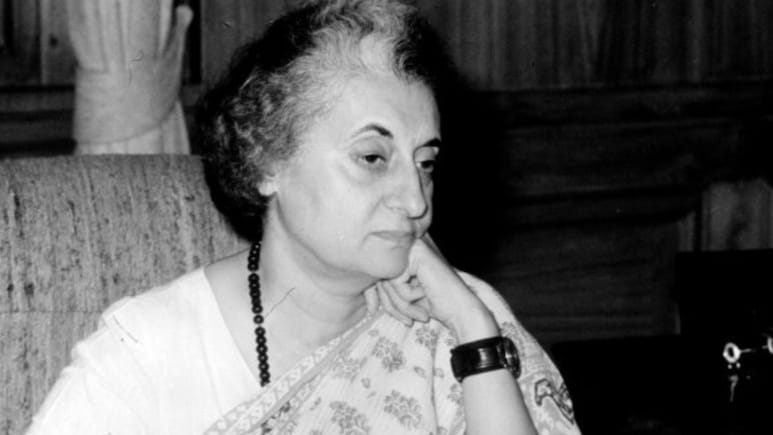
On the midnight of July 19, 1969, the government, led by then Prime Minister Indira Gandhi, nationalised 14 major Indian banks, each with reserves exceeding Rs 50 crore. The move, carried out without prior warning, fundamentally altered the country's banking landscape.
The Reserve Bank of India described it as “the single most important economic decision taken by any government since 1947”, adding , “Not even the reforms of 1991 are comparable in their consequences—political, social and, of course, economic.”
According to the RBI, the decision was aimed at ensuring large scheduled commercial banks served “the needs of development of the economy in conformity with national policy objectives.”
Objectives: Credit, Inclusion And Control
On July 20, 1969, the nationalisation was formally announced by the ruling Congress party. The objective was to wrest control from a small group of private players, expand banking services into rural India, and channel credit towards agriculture, small industries, and entrepreneurship.
Indira Gandhi described the move as “a vital step” towards aligning banking with national development goals.
Reports suggest that the decision significantly increased the reach of banking in rural areas. Following nationalisation, the number of public sector banks rose to 22, which, at the time, together accounted for 84% of total deposits and managed 82% of bank branches across the country.
Political Context And Legal Challenge
The move was one of several socialist initiatives taken by the Prime Minister, who was reportedly seeking to consolidate her position against the Congress “Syndicate,” a powerful group within the party. It was also seen as an attempt to recover ground lost by the Congress in the 1967 general election. Morarji Desai, who opposed bank nationalisation, was stripped of the finance portfolio ahead of the announcement.
Parliament's Approval And A Second Wave
The legislative push culminated on August 4, 1969, when the Lok Sabha passed the Banks Nationalisation Bill after sitting for three extra hours to clear the remaining clauses and schedules.
The moment was described as a personal triumph for Indira Gandhi. Opposition benches from the Swatantra and Jan Sangh parties were largely empty following a walkout, though one Jan Sangh member remained in the House.
Beyond nationalisation, the Bill also introduced workers' participation in the management of public sector banks. Amendments ensured representation for bank employees on advisory boards and on the boards of directors formed after reorganisation in consultation with the RBI.
A decade later, during her third term as Prime Minister, Indira Gandhi carried out a second round of bank nationalisation in 1980, bringing six more commercial banks under government control.
Track Latest News Live on NDTV.com and get news updates from India and around the world

