





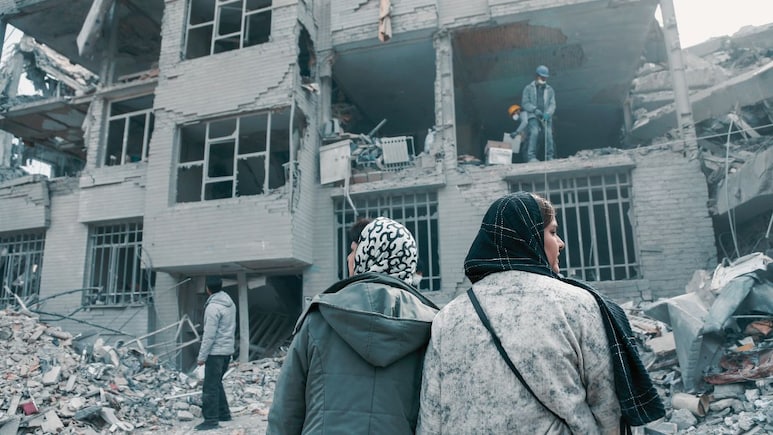
- Global markets have been tumultuous since the beginning of the ongoing Iran war.
- Traditionally, gold or the US dollar have been the go-to asset(s) for investors looking to hedge their risks.
- Since the fresh conflict in Iran, which began on February 28, bitcoin (BTC USD) has crossed the $72,000-mark.
Global markets have been tumultuous since the beginning of the ongoing Iran war as the conflict has disrupted oil supply significantly. Since the war has triggered a sell-off of equities (considered riskier), investors are scrambling to park their money in safe-haven assets.
Traditionally, gold or the US dollar have been the go-to asset(s) for investors looking to hedge their risks during times of crisis. While the trend continues this time as well, there is another asset that has overtaken both in terms of price rise. Since the fresh conflict in Iran, which began on February 28, bitcoin (BTC USD) has crossed the $72,000-mark, according to an Investopedia report. The rise in bitcoin's value is particularly significant as it comes at a time when both oil and stock markets are witnessing sharp swings.
Although the 10 per cent gain in value might not seem dramatic, this hike has made bitcoin a standout at a time when investors are trying to navigate the uncertainty surrounding the conflict. Interestingly, bitcoin investment has always been seen as a risk, and the cryptocurrency has never performed like a safe-haven asset before.
Is Bitcoin A Safe Asset?
With the Iran war showing no signs of de-escalation, a section of investors may move towards crypto investments. However, experts are divided in their opinion about bitcoin's comparison with gold as a hedge. Recent investments show that investors may be seeking exposure to bitcoin as geopolitical risks rise. Funds tied to bitcoin, including the iShares Bitcoin Trust and the Fidelity Wise Origin Bitcoin Fund, have recorded positive inflows worth more than $1.1 billion since the initial strikes on Iran, according to the Investopedia report citing data compiled by Farside Investors.
It's also important to mention here that trading volumes in the cryptocurrency tend to increase during geopolitical crises -- be it the Russia-Ukraine war, the Israel-Palestine conflict, or the Covid-19 crisis. Therefore, many investors see bitcoin occupying a flexible position in financial markets. Its role can shift on investor sentiment, the nature of the crisis, and regional conditions.
Nevertheless, many seasoned traders/investors believe that bitcoin should not be considered a reliable safe haven asset. As central banks are unlikely to buy bitcoin, its role as a reserve asset is limited. Meanwhile, all major central banks have increased their gold reserve in the last few years.
Why Has Gold Not Rallied?
Historically, gold has outperformed all assets during conflicts. However, during the ongoing Iran war, gold's price has not been on an upswing. In fact, gold briefly traded at $5,327.42 per ounce one week after the war began, but has since stabilised within a range of $5,000-$5,200 per ounce.
This is due to the strengthening of the US dollar -- when the dollar strengthens, gold becomes more expensive for buyers using other currencies, thus the drop in demand. Also, rising oil prices are driving up inflation. When US inflation increases, it becomes less likely that the Federal Reserve will cut interest rates. And if investors expect interest rates to stay higher, gold becomes a little less attractive investment option.
Track Latest News Live on NDTV.com and get news updates from India and around the world

