





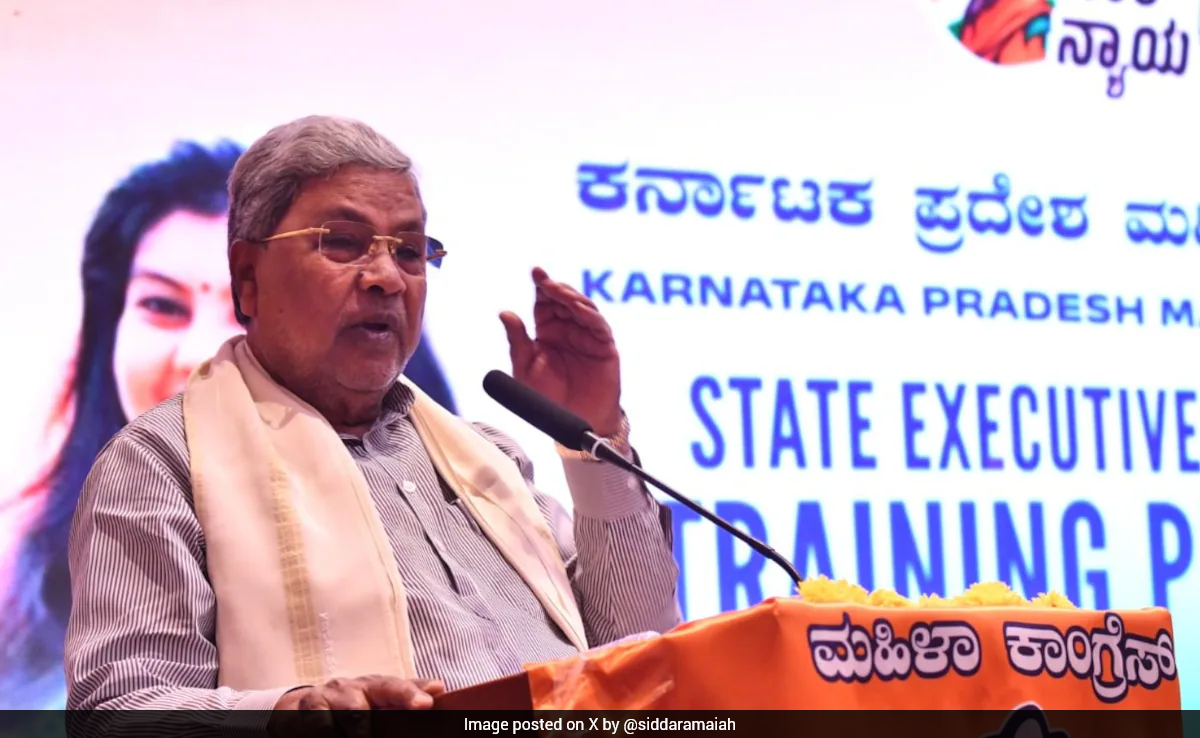
The Karnataka government has introduced The Karnataka Freedom of Choice in Marriage and Prevention and Prohibition of Crimes in the Name of Honour and Tradition (Eva Nammava Eva Nammava) Bill, 2026 in the Legislative Assembly on Wednesday.
The bill seeks to provide a comprehensive legal framework to prevent so-called "honour" crimes and uphold the constitutional right of adults to choose their partners.
Focus on Personal Liberty and Constitutional Rights
Drawing from Articles 14, 19, and 21 of the Constitution, along with the Protection of Human Rights Act, 1993, the proposed law affirms that all adults have the freedom to marry a person of their choice without interference from family, caste groups, or community bodies.
The legislation comes amid continued concerns over dishonour killings, harassment, and social ostracism faced by inter-caste couples often disproportionately impacting women and individuals from marginalised communities.
Criminalising 'Honour' Crimes as Public Offences
A key feature of the bill is its classification of honour-based crimes as public offences rather than private family matters.
It proposes strict penalties against a wide range of actions, including:
Physical violence, murder, and abduction
Social and economic boycotts
Threats, harassment, and confinement
Disownment rituals and denial of inheritance
Forced abortion or remarriage
The bill also bans unlawful assemblies of five or more persons convened to condemn or act against marriages deemed to violate caste or community norms.
Protection Mechanisms for Couples
The proposed law guarantees adult couples autonomy in marriage decisions under Section 3, explicitly stating that any obstruction will be treated as an offence.
Couples may optionally submit a declaration of intent to the District Magistrate, enabling police protection and immunity from third-party complaints.
Courts will be empowered to issue urgent protection orders, with violations punishable by up to two years' imprisonment and a fine of Rs 1 lakh.
Institutional Safeguards and State Responsibilities
The bill mandates the creation of robust institutional mechanisms, including:
District-level safe houses with privacy and security
24/7 helplines and Special Cells led by senior police officials
Time-bound police response within six hours
60-day investigation deadlines for cases
Public officials will face penalties for failing to report or act on such crimes, with provisions for departmental action in cases of negligence
Fast-Track Courts and Monitoring
To ensure speedy justice, the bill proposes the establishment of special fast-track courts for trial and disposal of cases within two months, with day-to-day hearings.
Appeals can be made to the High Court within 90 days, with a targeted disposal period of three months.
'Eva Nammava' Framework to Promote Social Inclusion
The legislation introduces the concept of "Eva Nammava" meaning "Our People" to promote inclusivity and fraternity. It also proposes Eva Nammava Vedike, a district-level body comprising officials and experts to assist in solemnising inter-caste marriages and offering counselling support.
Additionally, the government plans to identify high-risk areas, conduct awareness campaigns, and engage NGOs in monitoring and prevention efforts.
Track Latest News Live on NDTV.com and get news updates from India and around the world

