





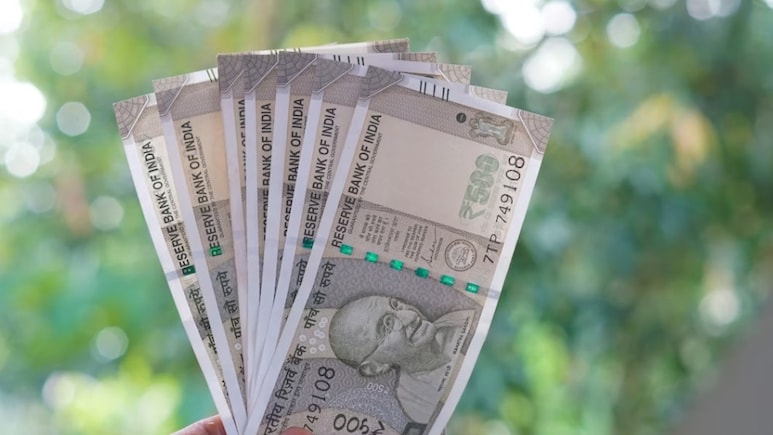
As 2025 draws to a close, the new year promises more than just new calendars and resolutions. Starting January 1, 2026, several policy and regulatory changes will take effect, affecting farmers, salaried professionals, youth, and the general public. Key areas set for updates include banking regulations, fuel pricing, and various government schemes. Here are some financial rule changes in India starting January 1, 2026, that will impact banking, taxation, and household budgets:
Mandatory PAN-Aadhaar Linking
If you haven't linked your PAN and Aadhaar yet, you might face issues with banking and government services. From now on, linking is mandatory to avoid account freezes and service blocks. This will disrupt tax filing, refunds, and access to major banking services. Get it done ASAP to stay on the safe side.
-

-
 Andrew Ng On AI At Scale: Building The Intelligence Economy | NDTV World Summit 2026
 -
 NDTV World Summit 2026: Behind The Scenes As Ayush And Vedika Preview Two-Day Mega Event
 -
 Who Is Rajiv Mehta? Lilavati Hospital Trustee To Speak At NDTV World Summit 2026
 -
 Ex-CIA Director To Decode 'War In Times Of AI' At NDTV World Summit
 -
 From Call Centre To Billion-Dollar Disruptor: Nikhil Kamath At NDTV World Summit
 -
 'Every 5 Years, You'll See A New India': Swami Sarvapriyananda Ahead Of NDTV World Summit
 -
 Alain Ebobisse, Africa50 CEO, To Attend NDTV World Summit 2026. All About Him
 -
 Kriti Sanon At NDTV World Summit: A Look At Her Career And Business Ventures
 -
 Ex-CIA Director To Decode 'War In Times Of AI' At NDTV World Summit
 -
 Who Is Vikram Rai, CEO, South Asia GE Aerospace, Set To Attend The NDTV World Summit 2026
8th Pay Commission Implementation
December 31, 2025, marks the end of the 7th Pay Commission's term, and the 8th Pay Commission is set to kick in from January 1, 2026. This means central government employees and pensioners can expect changes in their salaries and pensions, although the actual hike might take some time to reflect.
Weekly Credit Score Updates
Instead of the current 15-day cycle, credit bureaus will now refresh customer data every week. This means loan repayments or defaults will reflect much faster in your credit score, directly affecting loan eligibility.
Revised LPG and Fuel Prices
Prices for domestic and commercial LPG cylinders, as well as Aviation Turbine Fuel (ATF), are set for revision on January 1, which may impact household budgets and airfares.
New Farmer IDs for PM-Kisan
The Indian government has introduced a new Farmer ID system for the PM-Kisan scheme, making it mandatory for new applicants from January 1, 2025. This digital ID links farmers' land records, crop information, Aadhaar, and bank details, ensuring transparency and efficient benefit transfer. Existing beneficiaries aren't affected, but new applicants must register to receive the Rs 6,000 annual support.
New Income Tax Return (ITR) Forms
Taxpayers can expect a revamped income tax return (ITR) form from January 2026, which will likely come pre-filled with banking and spending details. This move aims to simplify the filing process while also increasing scrutiny to minimise errors and omissions
Enhanced Digital Payment Security
Banks will implement stricter checks on UPI transactions and more robust SIM verification norms for messaging apps like WhatsApp and Telegram to curb fraud.
New Co-Lending Rules
Effective January 1, 2026, the Reserve Bank Of India's updated co-lending framework requires each lender to retain at least 10% of the loan on their own books to ensure fair risk-sharing
Track Latest News Live on NDTV.com and get news updates from India and around the world

