





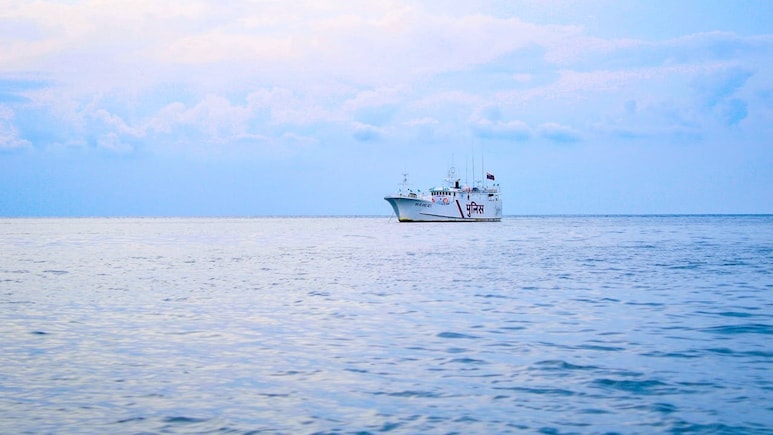
IRIS Dena, the Iranian warship torpedoed by the United States in the Indian Ocean, has raised questions about who controls the vast expanse of waters and to what extent.
On March 4, the US Navy submarine hit the Iranian warship in the waters near Sri Lanka. The Iranian warship was on its way home after the drill at Visakhapatnam in Andhra Pradesh.
Where The Strike Took Place
The warship was torpedoed 40 nautical miles south of Galle, Sri Lanka, which, as per reports, US officials described as international waters, where India has no legal authority. The location falls within Sri Lanka's maritime zones but is considered permissible for naval movement under international wartime rules.
The Pentagon released footage of the attack, which showed the warship being hit by a massive explosion near the stern. The footage also included still images of the warship sinking into the ocean, CNN reported.
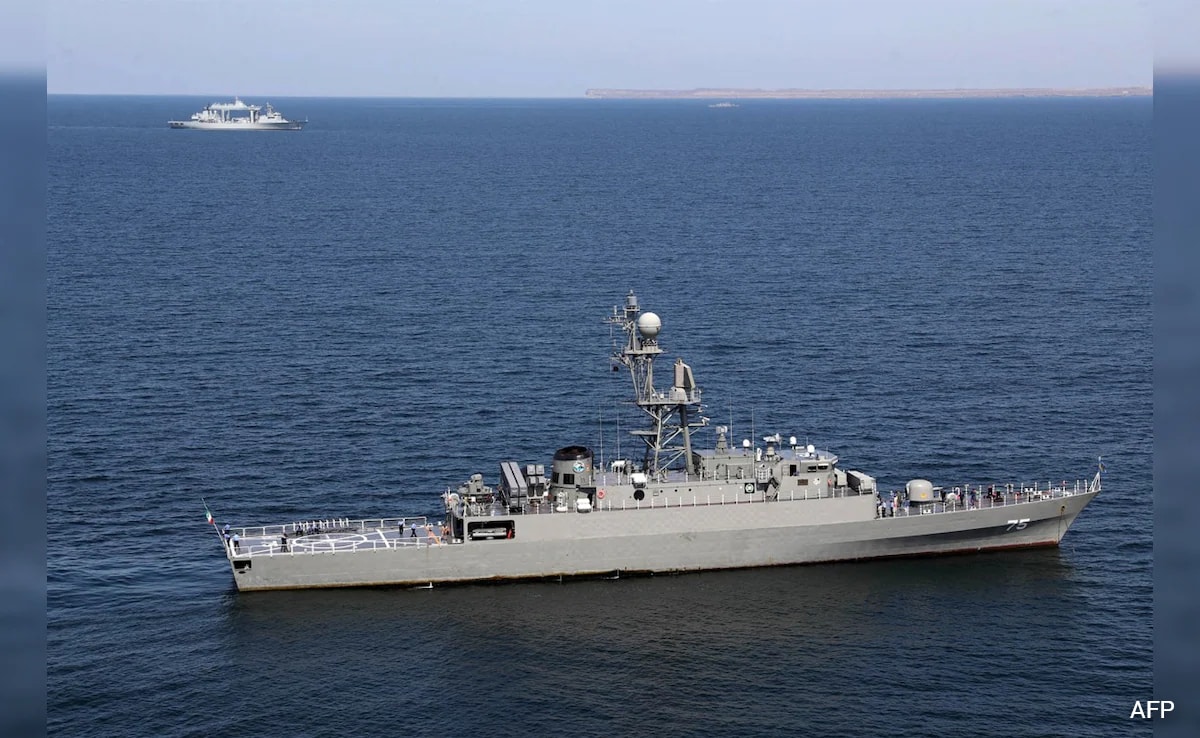
International waters, often referred to as the high seas, begin beyond the 200-nautical-mile Exclusive Economic Zone (EEZ) of coastal nations. In these areas, all countries enjoy freedom of navigation, fishing and research, while seabed resources are regulated by international bodies.
The IRIS Dena was in such waters, technically within Sri Lanka's EEZ but treated as international for navigation purposes.
Why The Ocean Bears India's Name
The Indian Ocean is the only ocean in the world named after a country, largely because of India's geographical centrality.
The Indian peninsula extends into the ocean, spannig roughly 70 million square kilometres and connects Asia, Africa and Australia. Historically, the ocean was referred to in the Indian context due to its geographic prominence.
Despite the name, the ocean is not India's private domain.
Under the United Nations Convention on the Law of the Sea (UNCLOS), signed in 1982 and ratified by more than 160 countries, oceans are divided into different maritime zones with varying levels of control.
According to reports, India's territorial sea extends 12 nautical miles from its coastline, where it exercises full authority similar to land territory. A contiguous zone extends up to 24 nautical miles, allowing enforcement of customs, immigration and sanitation laws.
Beyond this lies India's EEZ, which stretches 200 nautical miles from the baseline and covers about 2.3 million square kilometres. Within this zone, India has sovereign rights to explore and manage resources such as oil, gas and fisheries.
Though India does not control the Indian Ocean, it considers the region strategically vital. More than 90% of India's trade by volume reportedly passes through these waters, making maritime security a crucial concern. India maintains aircraft carriers, submarines and bases in the Andaman and Nicobar Islands to monitor sea routes and deter intrusions.
Expert View
The sinking of the IRIS Dena has prompted various reactions among experts.
Brahma Chellaney, one of the experts, wrote on X, “The U.S. torpedoing of the Iranian frigate IRIS Dena in India's maritime backyard is more than a battlefield event; it is a strategic embarrassment for New Delhi.”
Chellaney added, “The result is a jarring paradox: Washington may see the torpedoing as legitimate wartime action against an enemy vessel, but from New Delhi's vantage point it was an unfriendly act — one that undermined India's diplomacy, its convening power and its claim to regional maritime leadership.”
A Torpedo in India's Backyard: Why the U.S. Strike Looks Like An Unfriendly Act
— Dr. Brahma Chellaney (@Chellaney) March 4, 2026
The U.S. torpedoing of the Iranian frigate IRIS Dena in India's maritime backyard is more than a battlefield event; it is a strategic embarrassment for New Delhi. The ship had just participated in…
The ocean is the only one named after a country, and it is India that most people think of when the Indian Ocean is mentioned. But India, like other coastal nations, has jurisdiction over only a limited part of the Indian Ocean.
Track Latest News Live on NDTV.com and get news updates from India and around the world

