





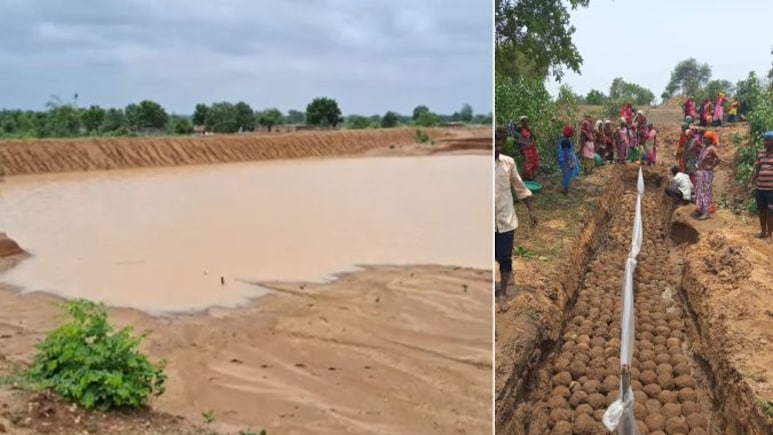
There is an old saying: "You never miss the water till the well runs dry." For rural India, where agriculture remains the backbone of livelihoods, water scarcity can be far more than an inconvenience, it can threaten crops, incomes, and even lives. This is why water conservation is not merely an environmental necessity but a matter of survival for millions of farming families.
In Chhattisgarh's Mahasamund district, communities facing chronic water scarcity came together to tackle the problem head-on, launching a remarkable grassroots water conservation campaign. Over just 15 days, lakhs of people volunteered to build water-harvesting structures in fields and forests and install soak pits at their homes to capture rainwater. Their efforts delivered immediate results. With the first monsoon showers, the district was able to store nearly 31 Crore litres of water that would otherwise have been lost to drains and rivers.
By working together, residents not only addressed a longstanding water crisis but also created a model of public participation that offers renewed hope and a sustainable path forward for the entire district.
Mahasamund has long struggled with water scarcity and declining groundwater levels
The district's extensive paddy cultivation during both the Kharif and Rabi seasons has placed increasing pressure on groundwater resources, causing water level to fall steadily over the years. As a result, many areas face acute water shortages every summer, turning access to water into a recurring challenge for residents. Recognising the urgency of the situation, the district administration and local communities came together with a shared goal: to transform water conservation from an isolated effort into a people's movement.
"My Village, My Water 2.0" became the foundation
The "My Village, My Water 2.0" campaign became the cornerstone of the district's water conservation efforts. Under the initiative, the administration launched large-scale groundwater recharge and rainwater harvesting drives across 551 gram panchayats and more than 1,140 villages. Lakhs of villagers voluntarily participated in the campaign, helping restore and conserve local water resources. The primary goal was to retain rainwater within villages, improve groundwater levels, and promote long-term water security through community-led action.The villagers did water harvesting by donating their labour.
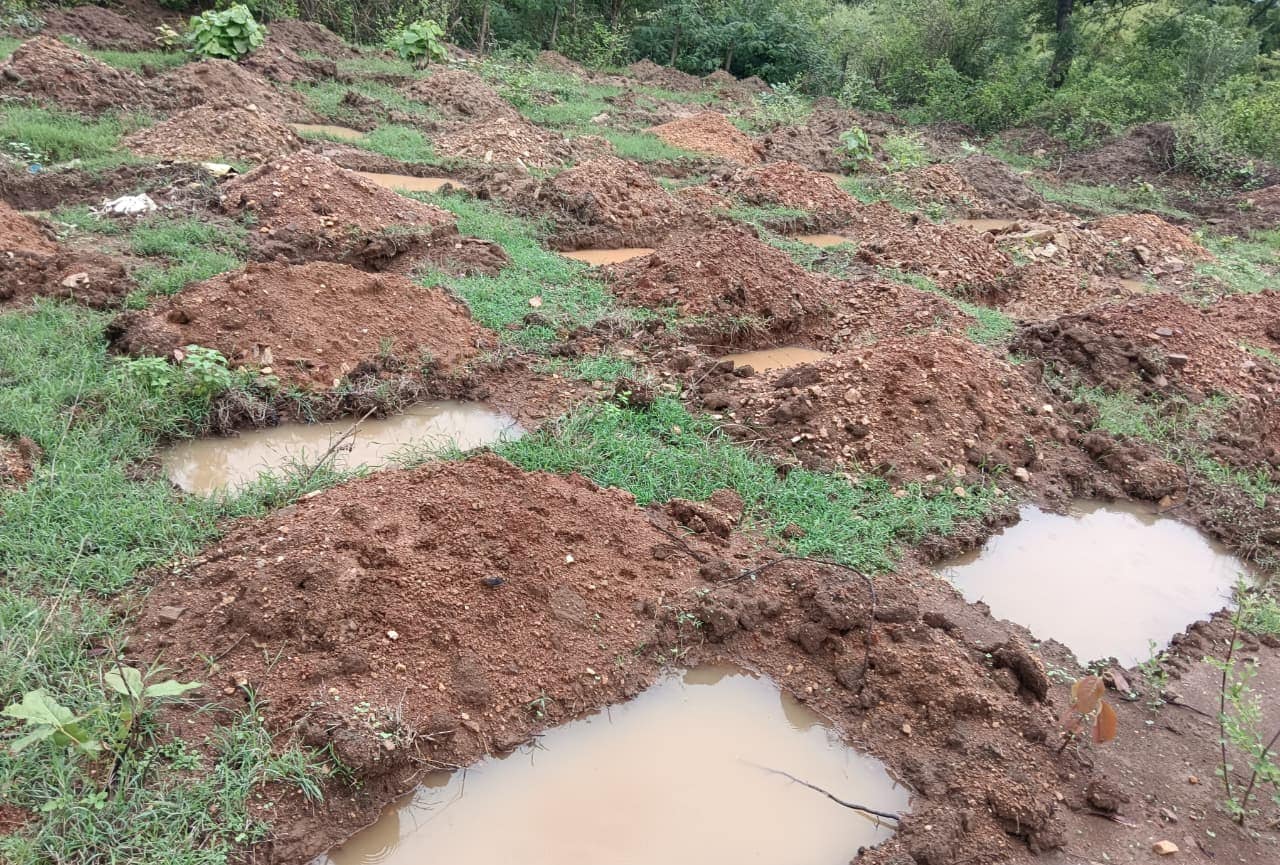
3.41 Lakh Water Structures Built in 15 Days
In just 15 days, the district built over 341,000 water conservation structures, including rainwater harvesting pits, soak pits, trenches, check dams, ponds, and wells, through community participation and coordination among government departments.
First Monsoon Showed Immediate Results
The impact of the campaign became evident with the season's first rainfall. Between May 14 and May 30, the district captured nearly 310 million litres of water that would otherwise have flowed into rivers and drains, helping recharge groundwater and strengthen long-term water security.
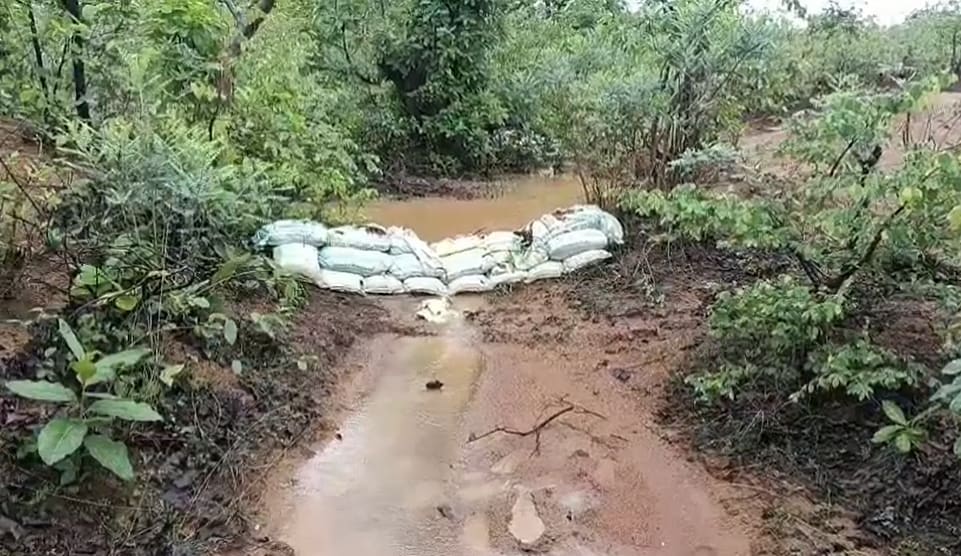
Every Household Joined The Water-Saving Mission
According to Shankar Lal Yadav, a resident of Arand Gram Panchayat, the village discussed water scarcity in a Gram Sabha meeting and decided to build a soak pit in every home. Villagers came together to complete the effort, and today, nearly every household has a soak pit, allowing rainwater to seep into the ground and recharge groundwater reserves.
Campaign's Success Driven By Community Participation
Mahasamund Collector Vinay Kumar Langeh said the "My Village, My Water 2.0" campaign succeeded because of strong public participation and coordination among departments including Agriculture, Forest, District Panchayat, and Janpad Panchayat. Inspired by the Prime Minister's Jal Sanrakshan-Jan Bhagidari vision, the initiative showed that when communities and the administration work together, even the most ambitious water conservation goals can be achieved.
Track Latest News Live on NDTV.com and get news updates from India and around the world

