





The protests at Jantar Mantar saw hundreds of Gen Z students raise their voices in one of the largest demonstrations from a generation that forms the future of the Indian electorate.
Using platforms most palatable to them, students created reels on viral trends, raised slogans, danced, and sang songs to ensure their demands were heard. Although the widespread demonstrations concluded with the resignation of the Union Education Minister, its after-effects spilled directly into the halls of Parliament.
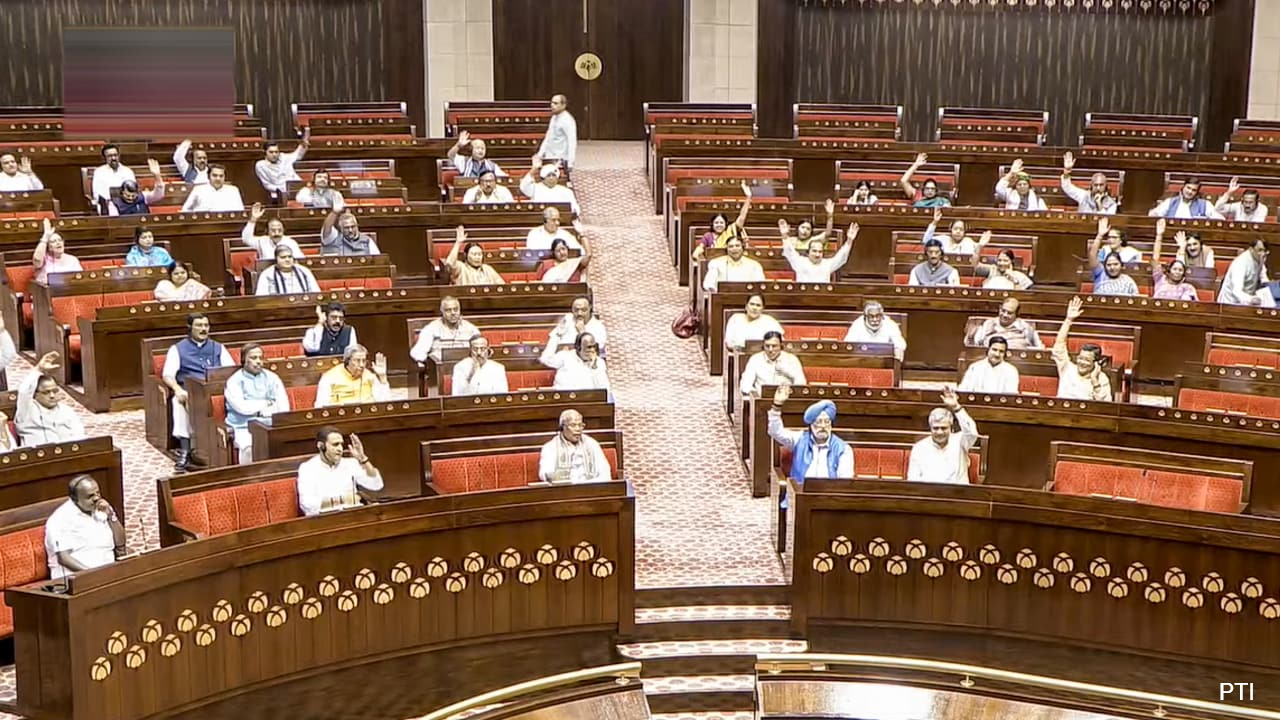
As the debate regarding competitive exam paper leaks reached the Parliament, parliamentarians spoke in a language rarely heard in formal chambers-the language of Gen Z.
Defending government action, BJP MP Bansuri Swaraj remarked that "Modiji clocked it" and provided a legislative solution, calling the Bill a "transformative amendment." Slamming the Opposition's delayed response to the student agitation, Shiv Sena MP Shrikant Shinde said that the opposition went "MIA" for the first 37 days, then felt "FOMO" so held a protest. Pushing back on the government's response, NCP (SP) MP Supriya Sule slammed the Centre by calling the government "delulu" over their policies.
Among the parliamentarians who employed Gen Z language was Congress MP Deepender Singh Hooda, who used the viral protest catchphrase "vaste-guna-huiya"-a meme popularised during the student demonstrations-to poke fun at the government's response.
The shift in lingo and communication patterns is not just limited to Parliament but extends beyond as well. As students made reels to express their opinions, the Prime Minister too joined in, sharing late-night reels speaking to the protesters. Using a casual approach, the PM released videos recorded in a selfie format, referring to Gen Z students as his "friends".
How Is Gen Z Viewing Shift In Communication?
As politicians move away from conventional parliamentary language to Gen Z lingo, NDTV spoke directly to Gen Z students to understand whether this linguistic shift had any real impact on them.
Responding to the shift in language among politicians, Nikita Singh, a Delhi-based student, described the sudden adoption of Gen Z lingo as performative. "Politicians must not pretend to be what they are not and be true to who they truly are. The generation expects only the basics from politicians: that they are not corrupt, avoid lapses, and discharge their responsibilities well. Our demands are just basic, nothing extra."
Nikita added that while forced slang fails to land, politicians should seriously employ new forms of technology like social media and Instagram to connect with young voters.
Reflecting on the switch in outreach, another student, Lalit Kumar, said he feels that politicians often fail to understand the Gen Z thought process, mistaking carefree energy for a lack of seriousness. "Parliamentarians do not get the mindset of Gen Z. They think they can suppress the protest," Lalit noted. "Gen Z is more relaxed and carefree, but not a generation that does not work. The paper leak was an excuse, but what was evident was the dissent of Gen Z."
He emphasised that politicians must use platforms like Instagram and Snapchat. However, the 18-year-old cautioned that leaders must address core problems rather than just mimic youth culture.
Aanchal Kapoor, a student studying at a top college in Delhi University, highlighted that accessibility and tone are vital for political engagement.
"Politicians must be keen on listening. They should understand Gen Z's opinion, understand students' needs, and support them. A casual tone works because that's what Gen Z understands, and we connect with Gen Z slang, but they must actually support us."
When Does Dissent Turn Into Disrespect? : Gen Z Answers
During the recent protests, attention was paid not only to the demands raised by the protesters, but also to their language. As protesters expressed their demands, many received political backlash regarding the nature of the language used-whether against a leader in an interview or through a banner made by the demonstrators.
Reacting to the backlash, Aarnavi Jain said, "Gen Z is straightforward and they have their own point of view. Gen Z does not mince words, and that may come across as rude. But if you view it from their point of view, it is not wrong."
Mannat Bains added that while young people do not fear authority, there is a line that should not be crossed. "Gen Z does not fear anyone, but protests should not be to the extent of defaming or hurting anyone. Other generations may find our tone odd, but it is normal to our generation. A line, however, must not be breached by either side."
While there may be a difference in age and language between Gen Z and politicians, one thing remains clear: to move forward and win elections, one must speak the language of the youth who decide who comes to power next.
Track Latest News Live on NDTV.com and get news updates from India and around the world

