





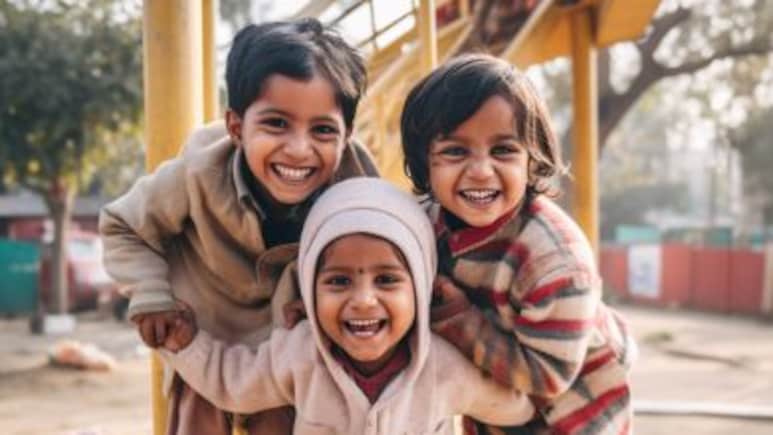
On a busy weekday evening, somewhere between finishing homework and preparing dinner, a child begins to play. It may be something small like lining up toys, humming a tune, or asking a question that seems to come out of nowhere. For most adults, these moments pass quickly. But what if they are the very heart of childhood? That is the idea behind “Bachpan is Gr8,” an initiative by EkStep Foundation, a campaign that gently asks parents and caregivers to look at childhood differently. Not as something to fix, rush, or optimise, but as something already full of curiosity, imagination, learning, and meaning. At the centre of this idea is a toolkit.
The 'Bachpan is Gr8 Toolkit' is built on a comforting premise that childhood lives in everyday moments. In play, in conversations, in helping hands, in pauses.
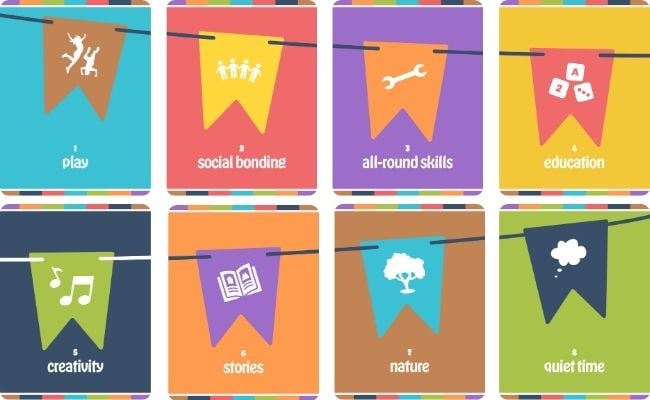
The toolkit offers small ideas and gentle nudges that fit into routines families already have. There is no pressure to complete everything. A parent can try one idea, repeat what works, or adapt it entirely. Inspired by the simplicity of the Sustainable Development Goals, it offers a shared framework to value and protect childhood through eight essential “wonders”, covering different aspects of a child's development. Each wonder includes age-appropriate activities, which makes it easier to choose what works best for different stages.
The blog post read,
"These areas are everyday experiences that allow childhood to unfold well. They are the wonders of childhood."
- Play: Children explore ideas and solve problems through indoor and outdoor play. Examples include peek-a-boo for children up to 3 years, “walk like an animal” for ages 3–6, and games like Pictionary for those above 6.
- Social bonding: Time with friends and family of different age groups helps children learn patience and a sense of identity. Activities include lullabies for toddlers, sock puppets for ages 3 to 6, and trust walks, where one child is blindfolded and guided by others, for older children.
- All-round skills: Daily tasks like helping at home build independence and confidence. For instance, sorting fruits and vegetables for ages 3 to 6 or a chore-based bingo challenge for children above 6.
- Education: Focus on curiosity-based learning and not pressure. Activities include number or alphabet hopscotch for ages 3 to 6, and charades with word flashcards for older children.
- Creativity: Art, music, and play help children express themselves. Clay moulding works well for toddlers, freeze dance for ages 3 to 6, and activities like clowning for older children.
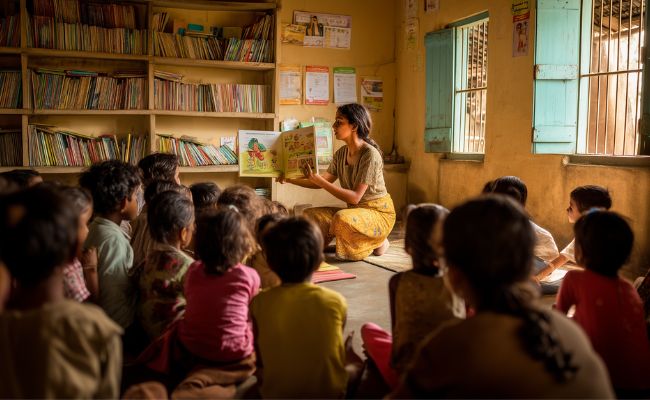
- Stories: It improves imagination, vocabulary, and understanding of others. Examples include read-aloud sessions for toddlers, story circles for ages 3 to 6, and "story basket" games using props for older children.
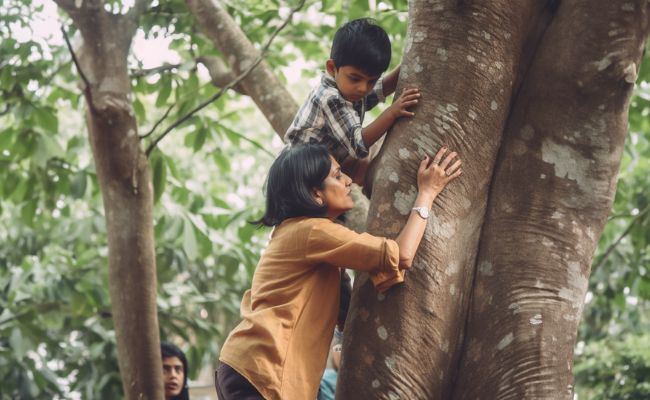
- Nature: Time outdoors helps children stay calm and curious. Time spent with trees, open skies, and animals regulates children's nervous systems. Go for a nature walk with toddlers, try gardening with children aged 3 to 6 years, and create stone and leaf art with children aged 6 years and above.
- Quiet time: Rest and silence help children process emotions, thoughts and bring self-awareness.
How to use this toolkit?
The first step is to look for simple everyday moments where children are already playing and exploring. Then, choose one or two wonders and focus on what feels most meaningful or joyful for the child at that moment.
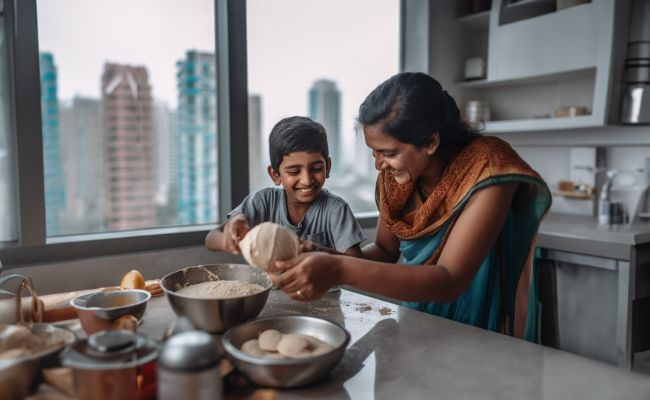
Next, pick any activity and adapt it to your space, time, and available materials. Then, observe the child's experience and notice what they enjoy the most.
"The goal is not to finish the toolkit. The goal is to keep celebrating childhood in everyday life."
For caregivers, it offers:
- A simple framework to understand child development
- A shared language across parents, teachers, and communities
- Easy, everyday practices
- Relief from performance pressure
To know more about the initiative, visit ndtv.com/bachpanmanao
Track Latest News Live on NDTV.com and get news updates from India and around the world

