





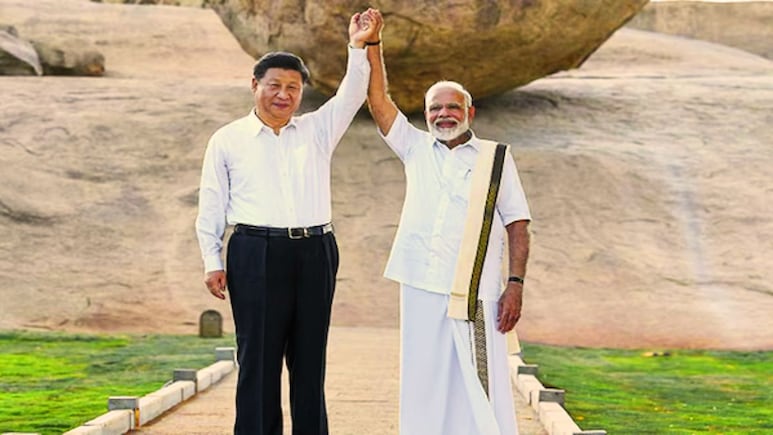
A lot of diplomatic water has flown down the Galwan Valley since 2020, when Indian and Chinese soldiers engaged in a fierce clash.
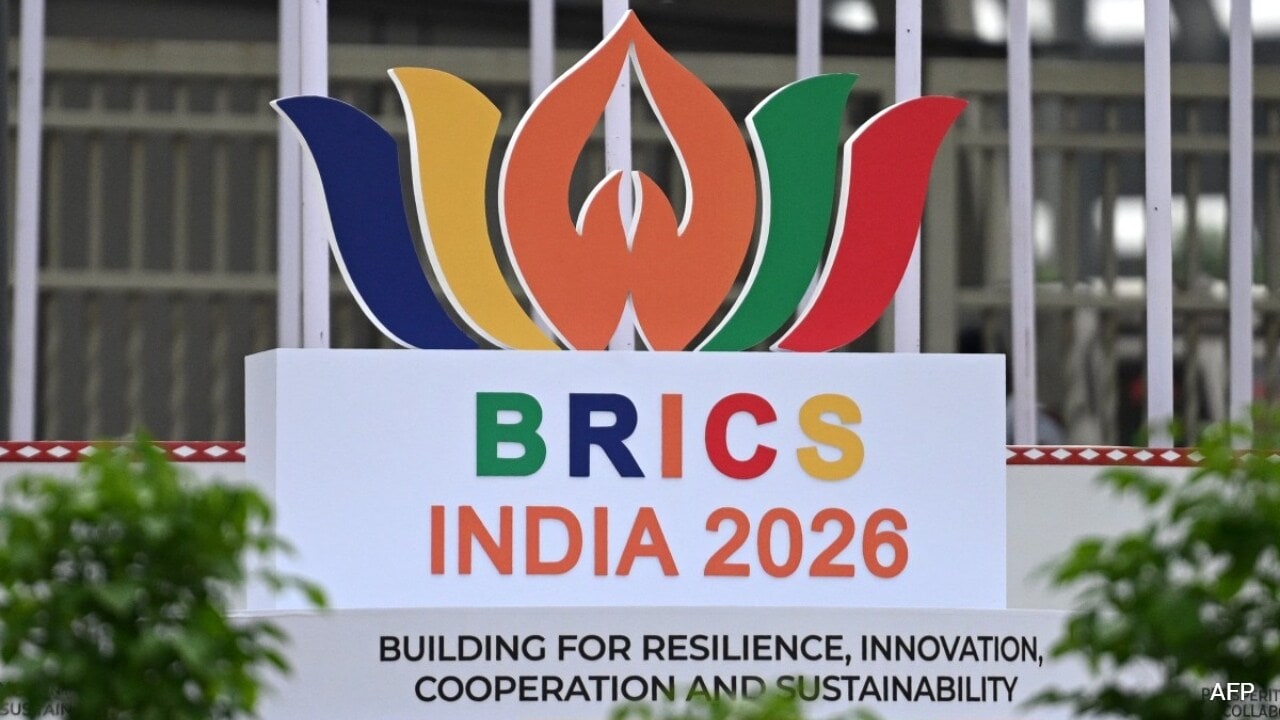
India-China relations have seen a steady thaw in recent years, and Chinese President Xi Jinping's visit to India this weekend for the BRICS summit is expected to provide fresh momentum to efforts to normalise ties and trade.
This will be Xi's first visit to India in seven years. He is also expected to hold talks with Prime Minister Narendra Modi on the sidelines of the BRICS Summit, being held from September 12 to 13.
There is hope that Xi's visit will build on the momentum generated by PM Modi's visit to China last year.
Great Expectations
"As two of the world's most populous emerging economies, a stable, predictable and amicable relationship between India and China is not only in the interest of our 2.8 billion people, but is also a significant factor for peace, stability and prosperity in Asia and the wider world," Indian Ambassador to China Vikram Doraiswami wrote in an article published in the state-run Global Times.
China's Foreign Ministry told Reuters that Xi and Modi, who briefly met this month at a regional forum in Kyrgyzstan, believe the two countries are "partners, not competitors, and they represent opportunities, not threats, for each other's development".
During a meeting in Beijing last month between National Security Adviser (NSA) Ajit Doval and Chinese Foreign Minister Wang Yi, both sides highlighted the positive impact of high-level leadership meetings on the trajectory of bilateral ties.
Read | What India Really Wants From BRICS As Trade Deficit Widens
The Border Question
PM Modi is also expected to underline New Delhi's position that peace and tranquillity along the border remain critical to the broader development of India-China relations.
India and China had agreed in Kazan to restart high-level engagement following disengagement and the resolution of issues related to the eastern Ladakh military standoff.
The two leaders had asked their Special Representatives on the boundary question to oversee the management of peace and tranquillity in the border areas and explore a fair, reasonable and mutually acceptable solution to the boundary dispute.
The Trade Imbalance
Trade between the two countries is also expected to be high on the agenda, particularly for New Delhi. For India, the agenda is likely to centre on fair market access, supply-chain reliability and the need to address the widening imbalance in bilateral trade as the two sides seek to expand economic cooperation.
India has a massive trade deficit with China and remains heavily dependent on imports from the world's second-largest economy.
Read | BRICS Was Just An Acronym. India Was There When It Became Much More
China is India's largest trading partner, with bilateral trade reaching a record $151.1 billion in the year ending March 2026. But New Delhi's trade deficit with Beijing has also hit a record $112.16 billion, up from $99.21 billion.
Last year, India urged BRICS members to address trade imbalances with New Delhi, and greater market access to correct that imbalance is expected to remain on the agenda this year.
Huang Yue, a journalist with CGTN, expressed hope that Xi's visit would boost trade between the two countries. "A big Chinese business is accompanying Xi to New Delhi. Chinese companies are interested in exploring opportunities in BRICS countries," she told NDTV.
The Good Signs
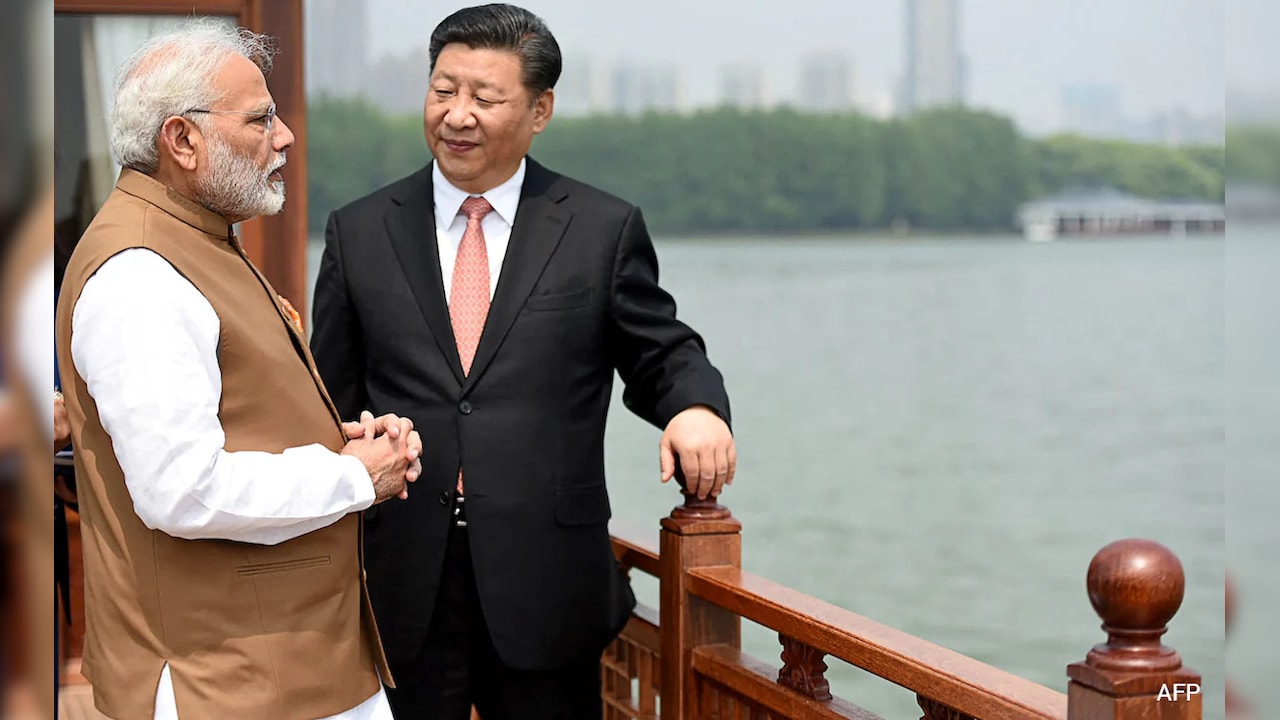
There have been some visible signs of a thaw.
Last year, India and China resumed direct flights, while New Delhi eased visa procedures for Chinese business professionals.
Notably, India-China border trade also resumed after a six-year hiatus this year. It had been halted in 2020 amid the Covid-19 pandemic.
Border trade between India and China through the Lipulekh Pass began in 1992 and continued until 2019. On August 1, officials on the Chinese side allowed 16 traders and four support staff to cross into Tibet without goods as the two sides began restoring trade operations.
Cross-border trade through the strategically significant Nathula Pass in Sikkim has also officially resumed after remaining suspended for six years, reopening one of the prominent trading corridors along the historic Silk Road.
The thaw, however, remains cautious. While both sides appear keen to restore economic and diplomatic engagement, the border remains the central test of whether the relationship can move from a tactical thaw towards a more durable normalisation.
Track Latest News Live on NDTV.com and get news updates from India and around the world

