

)
The World Health Organization (WHO) has raised an alarm over repeated attacks on Iran's health facilities amid escalating US-Israel military actions. These strikes have severely damaged critical infrastructure, including Tehran's Pasteur Institute, putting millions at risk of disease outbreaks and medicine shortages. WHO Director-General Tedros Adhanom Ghebreyesus called for immediate protection of healthcare sites under international law.
Since March 1, 2026, over 20 verified attacks have hit hospitals, labs, and drug factories, killing health workers and disrupting services for the injured and sick. Iran's government reports thousands dead or wounded in the conflict, with health systems now collapsing. This crisis threatens not just Iran but regional stability, as damaged research centers can no longer fight diseases like COVID-19 or rabies.
In a tweet on X, Tedros Ghebreyesus said, "Multiple attacks on health have been reported in the Iranian capital, Tehran, in recent days amid the escalating conflict in the Middle East.
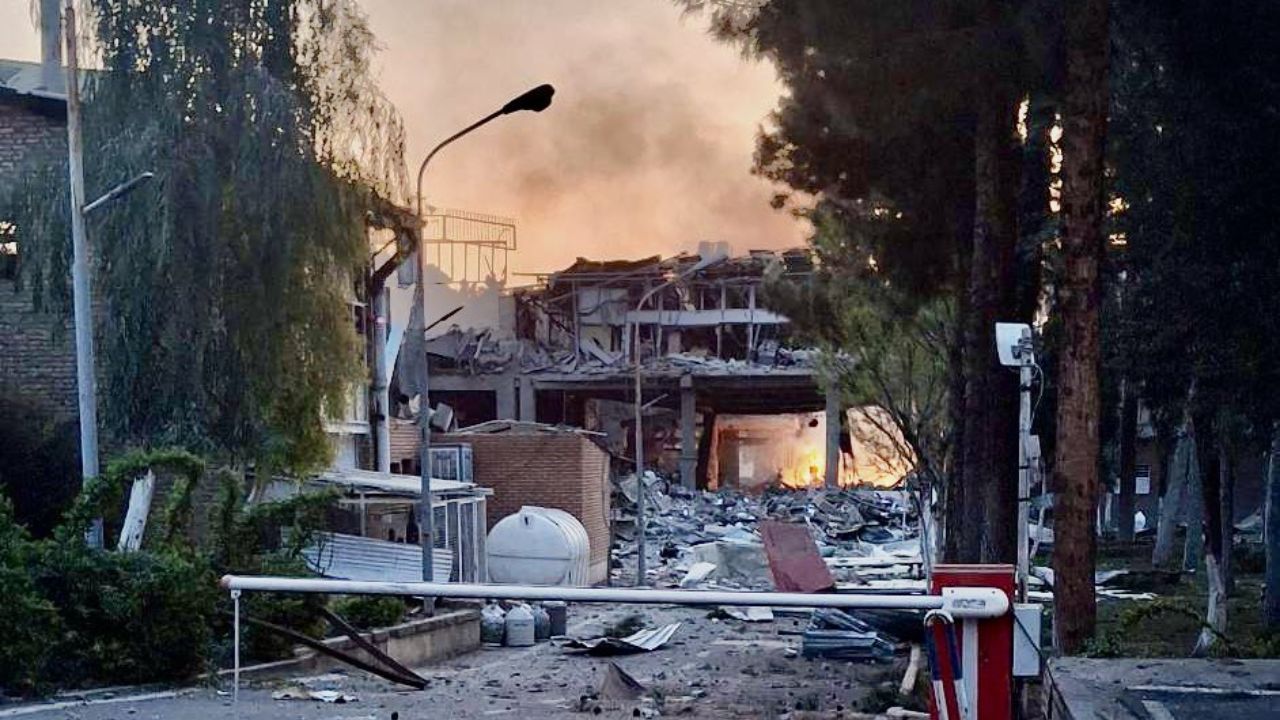
"The Pasteur Institute in Iran sustained significant damage and was rendered unable to continue delivering health services.
"The Institute was established in 1920 and has been operating for over a century in multiple areas of medical research. It plays an important role in protecting and promoting population health, including in emergencies. Two of its departments have been working with @WHO as collaborating centres."
In the post, he further said that WHO has verified over 20 attacks on health care in Iran since March 1, which has resulted in at least nine deaths, including that of an infectious diseases health worker and a member of the Iranian Red Crescent Society. "The conflict in Iran, and the region, is impacting the delivery of health services and the safety of health workers, patients, and civilians present at health facilities. Peace is the best medicine."
Multiple attacks on health have been reported in the Iranian capital, Tehran, in recent days amid the escalating conflict in the Middle East.
— Tedros Adhanom Ghebreyesus (@DrTedros) April 2, 2026
The Pasteur Institute in Iran sustained significant damage and was rendered unable to continue delivering health services.
The Institute… pic.twitter.com/RHILHhy5Yv
Conflict Background
Tensions began on February 28, 2026, when US and Israel launched strikes on Iranian targets. Officials in Tehran report over 2,000 deaths and 26,000 injuries since then. Health sites have suffered heavily, with WHO confirming more than 20 incidents since March 1. These include pharmaceutical plants, psychiatric hospitals, and emergency warehouses, halting care for cancer patients, heart conditions, and routine outbreaks.
Pasteur Institute Damage
Tehran's Pasteur Institute, founded in 1920 is Iran's premier biomedical hub, was blasted on March 23. Explosions wrecked 23,000 square meters of labs that focused on HIV, malaria, hepatitis, and flu research, many of which were WHO-collaborating centers.
While no staff were injured among its 500 employees, operations moved to backup sites. Tedros highlighted how this loss cripples Iran's ability to respond to pandemics, calling it a 'major setback' for global health security.
Iranian Health Ministry spokesman Hossein Kermanpour shared pictures on X and wrote, "The aggression against Pasteur Institute of Iran - a century-old pillar of global health & member of International Pasteur Network - is a direct assault on international health security. This violates Geneva Conventions & IHL principles. We call on @WHO @ICRC & global health bodies to condemn this attack, assess damages & support reconstruction."
The aggression against Pasteur Institute of Iran—a century-old pillar of global health & member of International Pasteur Network—is a direct assault on international health security. This violates Geneva Conventions & IHL principles. We call on @WHO @ICRC & global health bodies… pic.twitter.com/80mv8qgcnq
— حسین کرمانپور Hossein.Kermanpour (@HKermanpour) April 2, 2026
Attacks On Other Health Network
Other key sites faced destruction too. On March 31, Tofigh Daru pharmaceutical factory was hit, sparking fears of nationwide shortages. A Tehran psychiatric hospital was damaged on March 29 which led to patient evacuations, while a Bushehr Red Crescent warehouse lost drones and supplies. In Khuzestan, Imam Ali Hospital staff fled amid blasts, leaving the wounded without aid. At least nine health workers have died in these raids.
Tedros has urged all parties to spare health facilities, protected by Geneva Conventions.
Disclaimer: This content including advice provides generic information only. It is in no way a substitute for a qualified medical opinion. Always consult a specialist or your own doctor for more information. NDTV does not claim responsibility for this information.