



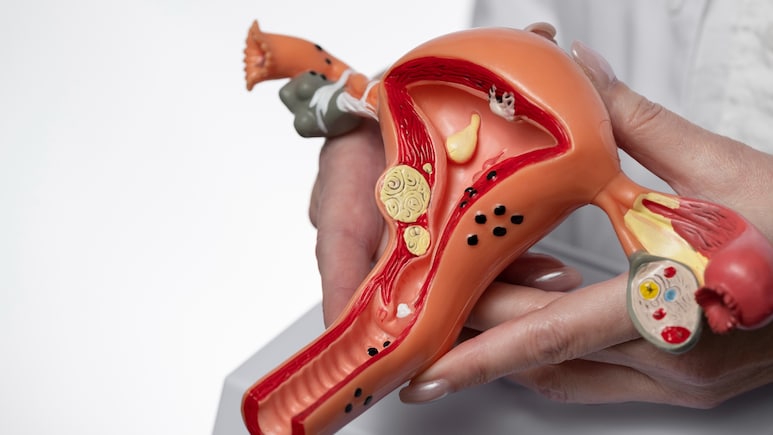
- At-home cervical cancer tests detect HPV, the cause of over 95% of cases
- Women collect vaginal samples themselves, ensuring privacy and ease of use
- ICMR studies confirm self-sampling is as accurate as clinician-collected samples
In the fight against cervical cancer, the biggest hurdle for Indian women hasn't been the lack of a cure but the barrier of the clinic visit. For many, the idea of a pelvic examination at a hospital, often involving long wait times, lack of privacy, and physical discomfort, is enough to delay screening for years. However, a breakthrough in medical technology is shifting the power into the hands of women. The at-home cervical cancer screening test (also known as HPV self-sampling) is emerging as a game-changer, promising to do for cervical health what the home pregnancy kit did for reproductive rights.
What Is An At-Home Cervical Cancer Screening Test?
Unlike the traditional pap smear, which requires a doctor to use a speculum to collect cells from the cervix, the at-home test is a self-sampling kit. It specifically looks for the Human Papillomavirus (HPV), the virus responsible for over 95% of cervical cancer cases.
How it Works:
- The Kit: You receive a small package containing a sterile swab (similar to a long Q-tip) or a specialised brush.
- The Collection: In the privacy of your own bathroom, you insert the swab into the vagina and rotate it for a few seconds. You do not need to reach the cervix itself; the swab picks up cells and fluid from the vaginal walls that contain HPV DNA.
- The Lab: You place the swab in a preservative tube and mail it to a certified laboratory.
- The Result: If the test is negative, you are at extremely low risk for developing cervical cancer for the next several years. If positive, it means high-risk HPV is present, and you should visit a gynaecologist for a follow-up pap smear or colposcopy.
Are They Reliable?
One of the most common concerns is, "Can I really do this as well as a doctor?". According to the Indian Council of Medical Research (ICMR) and a 2023 systematic review published in JCO Global Oncology, self-sampling is highly effective. In fact, large-scale studies in India have shown that HPV DNA tests are more sensitive than traditional Pap smears at detecting pre-cancerous changes.
- Research conducted by AIIMS Delhi and ICMR-NICPR has validated indigenous HPV kits, showing that samples collected by women themselves are virtually as accurate as those collected by clinicians.
- In 2026, the ICMR has increasingly emphasised primary HPV testing. This means the HPV test is now recommended as the first line of defence, potentially replacing the pap smear as the initial screening tool.
Important Note: A positive at-home result is not a cancer diagnosis. It is an early warning that allows you to take action long before cancer even begins to form.
Why This Matters Now?
In India, cervical cancer is the second most common cancer among women. Every year, roughly 75,000 to 80,000 women lose their lives to this disease, and these deaths are almost entirely preventable. Here is why at-home cervical cancer tests matter:
- Privacy and Dignity: It removes the embarrassment factor that many women feel during hospital pelvic exams.
- Accessibility: For women in rural areas or busy urban professionals, the ability to test at home saves travel time and hospital costs.
Is It Easy To Use?
Yes. Most users describe the process as no more difficult than using a tampon or a menstrual cup. There is no pain, and the entire process takes less than five minutes.
A Quick Step-by-Step Guide:
- Wash your hands thoroughly before opening the kit.
- Find a comfortable position (squatting or standing with one leg up).
- Insert the swab as directed, usually about 2-3 inches into the vagina.
- Rotate and remove.
- Do not let the swab touch any other surface.
- Seal it in the provided tube and register your kit online for digital results.
At-home cervical cancer screening is not just reliable enough, but in many ways, it is the superior choice for modern screening because it ensures more women actually get tested. As India moves toward the WHO goal of screening 70% of women by 2030, these kits are the bridge between a preventable virus and a healthy future.
If you are between the ages of 25 and 65 and haven't been screened in the last three years, an at-home kit is the easiest first step you can take for your health today.
Disclaimer: This content, including advice, provides generic information only. It is in no way a substitute for a qualified medical opinion. Always consult a specialist or your own doctor for more information. NDTV does not claim responsibility for this information.
Track Latest News Live on NDTV.com and get news updates from India and around the world

