

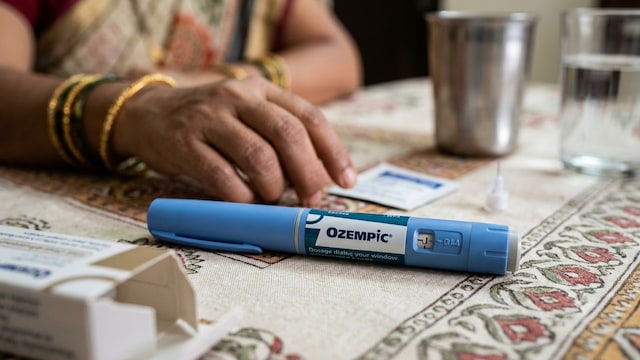
The US Food and Drug Administration (FDA) has placed two Chinese pharmaceutical manufacturers on an import alert following inspections that reportedly uncovered serious sanitation failures and questionable quality-control practices at facilities producing active ingredients used in compounded GLP-1 weight-loss medications. According to inspection findings reported by Bloomberg, inspectors found black mould on equipment, contaminated floors and significant insect activity at Chengdu Shengnuo Biopharm Co. At another facility, Nanjing Chengong Pharmaceutical, inspectors reportedly discovered evidence that workers had purchased active ingredients from outside manufacturers and approved them without properly reviewing their safety and quality documentation. The developments have raised concerns about quality assurance in the supply chain for compounded versions of popular weight-loss and diabetes medications containing semaglutide and tirzepatide. These ingredients are used in medicines such as Ozempic, Wegovy, Mounjaro and Zepbound, although the compounded versions are distinct from the FDA-approved branded products.
What Did FDA Inspectors Find At The Two Chinese Facilities?
The inspection findings point to different concerns at the two manufacturing sites, ranging from poor sanitation to weaknesses in the verification of pharmaceutical ingredients.
1. Chengdu Shengnuo Biopharm: Mould, Contamination And Insect Activity
At Chengdu Shengnuo Biopharm, inspectors reportedly documented black mould on equipment, floors described as grossly contaminated and significant insect activity in ceiling areas. The inspection account also described employees attempting to conceal documentation in lockers and personnel pouring product samples down sinks after inspectors arrived. These actions raised additional concerns about transparency and the reliability of the facility's quality-control processes.
The company's parent, Chengdu Shengnuo Biotec, disclosed that the FDA conducted inspections in August 2026 and issued a Form FDA 483 listing eight observations. The observations covered areas including contamination control, critical quality attributes, the reliability of testing results and quality-system governance. The parent company subsequently reported submitting an initial response addressing the observations.
2. Nanjing Chengong Pharmaceutical: Concerns Over Ingredient Verification
At Nanjing Chengong Pharmaceutical, the reported findings centred on documentation and the verification of ingredients sourced from outside suppliers. According to the inspection account, workers purchased active pharmaceutical ingredients from other factories and applied their own approval seals without conducting appropriate reviews of the suppliers' safety and quality data.
Such practices can undermine pharmaceutical quality assurance. Manufacturers need reliable supplier qualification, traceable documentation and appropriate testing to establish that ingredients meet the required specifications before they are used in drug production. However, the findings should not automatically be interpreted as proof that every batch produced at either facility was contaminated or that every compounded medication containing ingredients from these suppliers was unsafe.
What Is An FDA Import Alert And Why Does It Matter?
An FDA import alert allows US authorities to detain certain products at the border without physically examining every shipment when the agency has grounds to suspect regulatory violations. Both Chengdu Shengnuo Biopharm and Nanjing Chengong Pharmaceutical appear on FDA Import Alert 66-40, which concerns drugs from firms that have not met applicable current good manufacturing practice requirements. The FDA listings were published on September 19 and October 1, 2026, respectively. The action gives the agency a mechanism to prevent shipments covered by the alert from entering the US market unless the relevant regulatory requirements for release are met. The import alert is a regulatory action concerning manufacturing compliance. It does not, by itself, establish that every product made by a listed company has caused harm to patients.
What Are Compounded GLP-1 Drugs?
GLP-1 receptor agonists are medications that act on pathways involved in blood glucose regulation and appetite. Depending on the medicine, they may be prescribed for type 2 diabetes, chronic weight management or other approved indications. Semaglutide is the active ingredient in Ozempic and Wegovy, while tirzepatide is used in Mounjaro and Zepbound. These are FDA-approved branded medicines with established manufacturing and regulatory requirements.
Compounded medications are prepared by authorised compounding pharmacies or other eligible facilities to meet specific patient needs under applicable US regulations. They are not the same as FDA-approved commercial products, and compounded drugs are not individually reviewed and approved by the FDA for safety, effectiveness and manufacturing quality before marketing.
Compounding can serve legitimate medical purposes in appropriate circumstances. However, the quality of the active pharmaceutical ingredient is critical because problems with its identity, purity, potency or contamination can affect the finished medication.
The FDA has also highlighted concerns about the quality of GLP-1 active ingredients entering the compounding supply chain. In its October 2026 revision of Import Alert 66-80, the agency reported evaluating 48 GLP-1 active-ingredient manufacturing sites through inspections and records requests, finding 21 per cent non-compliant under the applicable statutory provisions.
What Does This Mean For People Using Weight-Loss Injections?
The findings highlight why the source and quality of injectable medications matter. They do not mean that all GLP-1 medicines available in the US are affected, nor do they establish that a particular patient has received a product manufactured using ingredients from either facility. People using semaglutide or tirzepatide should consider the following precautions:
- Use legitimate medical channels: Obtain prescription medicines through licensed healthcare professionals and authorised pharmacies.
- Verify the source: Ask the prescribing clinician or dispensing pharmacy about the product's manufacturer and supply chain if there are concerns about its origin.
- Avoid unverified online sellers: Products advertised through informal websites or social media may lack reliable quality assurance.
- Do not stop prescribed treatment abruptly: If you are concerned about a medication's source or safety, contact your healthcare professional or pharmacist for guidance.
- Report suspected adverse reactions: Seek medical advice if you experience unexpected symptoms after taking an injectable medicine, and obtain urgent care for severe or rapidly worsening symptoms.
Patients should also remember that the FDA's import alerts relate to US regulatory oversight. People in other countries should follow their own national medicines regulators' guidance and obtain medicines through authorised local supply chains.
The FDA's actions against Chengdu Shengnuo Biopharm and Nanjing Chengong Pharmaceutical underscore the importance of sanitation, reliable documentation, supplier verification and quality-control systems in pharmaceutical manufacturing. For compounded GLP-1 medications, the quality of the active ingredient is an essential part of ensuring that the finished product meets appropriate standards. While the reported findings do not prove that every batch from the facilities was contaminated, they highlight why patients should avoid unverified sources and discuss any concerns about their medicines with qualified healthcare professionals.
Disclaimer: This content including advice provides generic information only. It is in no way a substitute for a qualified medical opinion. Always consult a specialist or your own doctor for more information. NDTV does not claim responsibility for this information.