)
At least three children have died from cerebral malaria in Jharkhand's East Singhbhum district, bringing renewed attention to one of the deadliest complications of malaria. Health officials have launched large-scale screening and surveillance after fresh cases emerged across several villages, with many children admitted to hospital in critical condition. Fresh infections continue to surface in the affected villages, with more than 20 patients many of them children admitted to Mahatma Gandhi Memorial (MGM)Fresh infections continue to surface in the affected villages, with more than 20 patients many of them children admitted to Mahatma Gandhi Memorial (MGM) Medical College and Hospital in Jamshedpur. Several remain in critical condition, underscoring the severity of the outbreak.
What Is Cerebral Malaria?
Cerebral malaria is a severe and life-threatening complication of malaria, most commonly caused by the Plasmodium falciparum parasite. It occurs when parasite-infected red blood cells block tiny blood vessels in the brain, triggering inflammation, reduced blood flow, and brain swelling.
Although malaria often begins with symptoms such as fever, chills, headache, and body aches, cerebral malaria is a medical emergency that requires immediate treatment.
Also read: What Is Cerebral Malaria? Everything You Need To Know
Why Is It So Dangerous?
Cerebral malaria can progress rapidly, particularly in young children, and may become fatal within hours if left untreated. The condition can lead to:
- Seizures
- Confusion or altered consciousness
- Repeated vomiting
- Difficulty speaking or walking
- Coma
- Permanent brain damage
- Multi-organ failure
- Death
Even among survivors, some may experience long-term neurological complications, including learning difficulties, memory problems, behavioural changes, epilepsy, or movement disorders.
Symptoms You Should Never Ignore
Seek urgent medical attention if a person with fever develops:
- Persistent high fever with chills
- Severe headache
- Vomiting
- Drowsiness or difficulty waking up
- Confusion or unusual behaviour
- Seizures
- Loss of consciousness
- Difficulty breathing
Children are especially vulnerable and can deteriorate much faster than adults.
Why Are Cases Rising During The Monsoon?
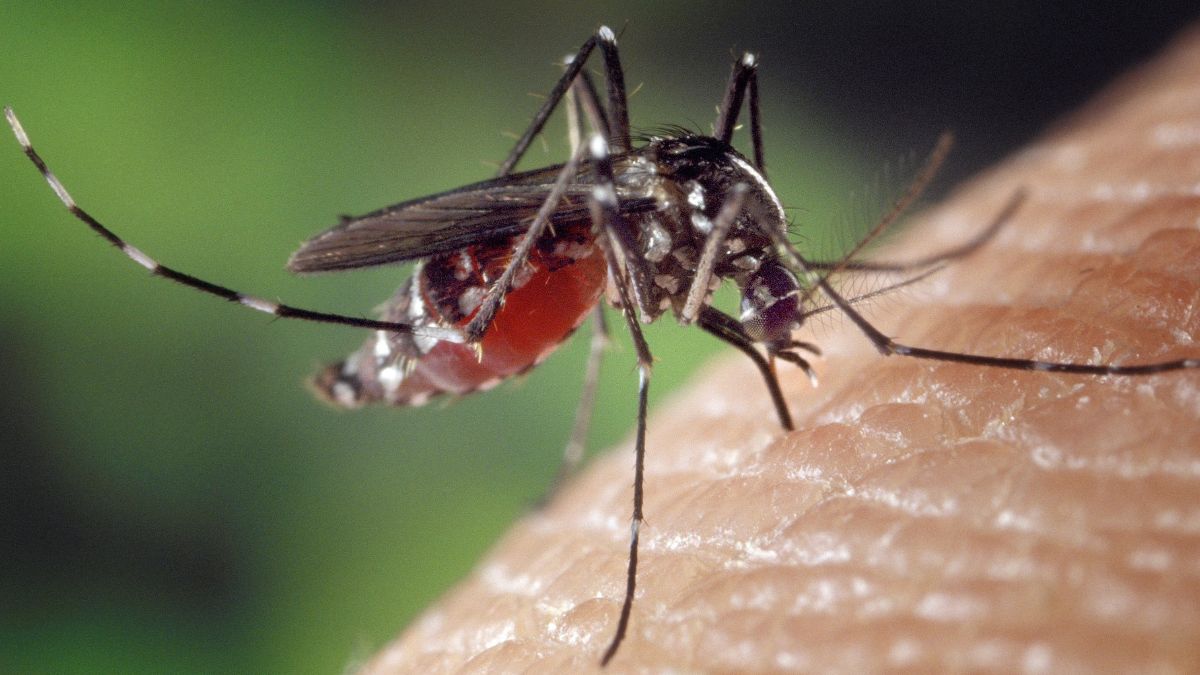
Malaria spreads through the bite of infected female Anopheles mosquitoes, which breed in stagnant water. The monsoon creates ideal breeding conditions, increasing mosquito populations and the risk of transmission. Poor sanitation, waterlogging, delayed diagnosis, and limited access to healthcare can further worsen outbreaks in vulnerable communities.
Also read: How Vaccinations Play A Crucial Role In Malaria Prevention
How Can You Prevent Cerebral Malaria?
The best way to prevent cerebral malaria is to prevent malaria infection itself. Health experts recommend:
- Sleep under insecticide-treated mosquito nets.
- Wear full-sleeved clothing, especially during evening and night hours.
- Apply mosquito repellents on exposed skin.
- Remove stagnant water from coolers, buckets, tyres, flower pots, and other containers.
- Install window screens where possible.
- Seek medical care immediately if fever develops in a malaria-prone area.
- Complete the full course of prescribed antimalarial medicines if diagnosed.
Officials in Jharkhand have stepped up mosquito-control measures, ensured the supply of rapid diagnostic test kits and essential medicines, and urged residents not to ignore warning signs such as persistent fever, unconsciousness, seizures, or severe headache. Early diagnosis and prompt treatment remain the most effective ways to prevent malaria from progressing to cerebral malaria and reducing the risk of serious complications or death
Disclaimer: This content including advice provides generic information only. It is in no way a substitute for a qualified medical opinion. Always consult a specialist or your own doctor for more information. NDTV does not claim responsibility for this information.