

)
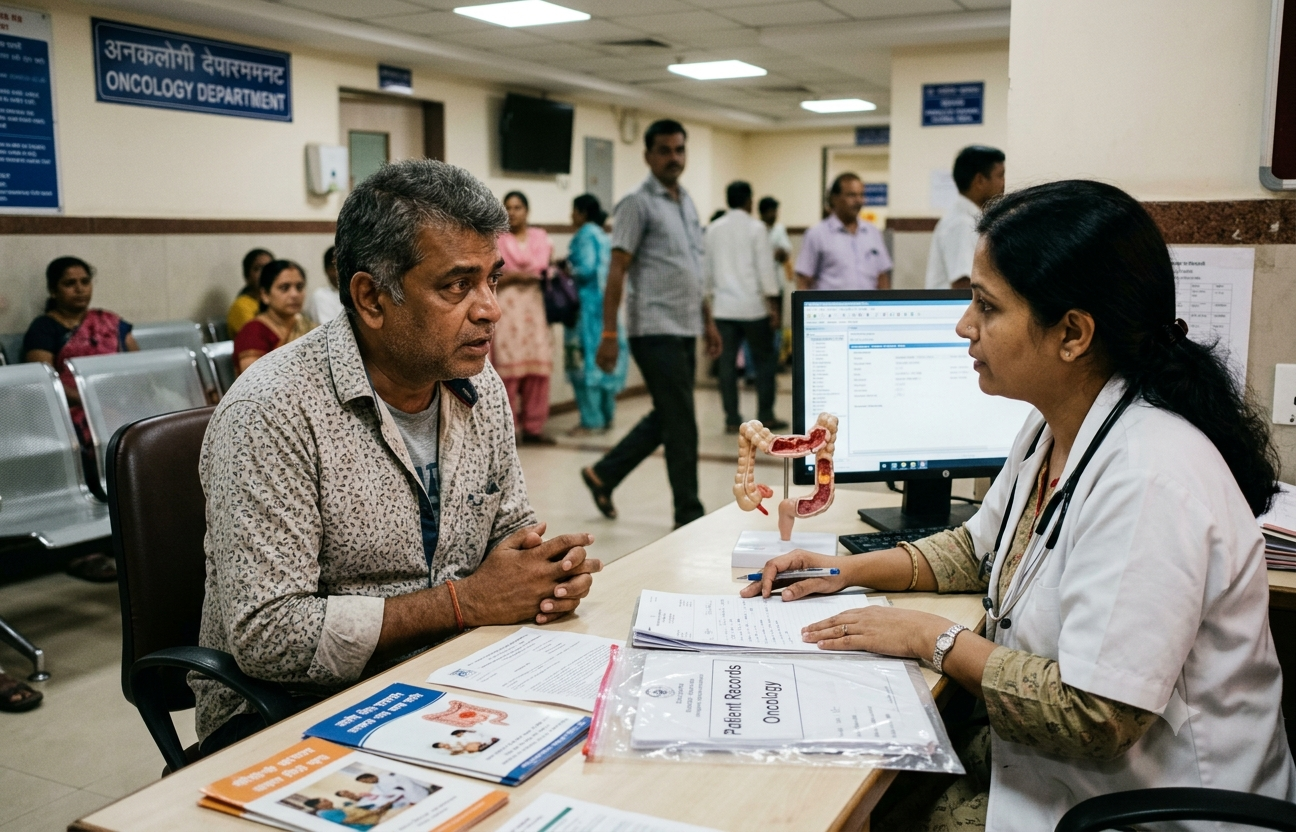
There is something that rarely gets spoken about openly once a cancer patient completes treatment. The hospital visits slow down, the appointments become less frequent, and the expectation quietly sets in that life should simply resume where it left off. For many survivors, that transition brings an equal measure of relief and uncertainty. And somewhere in that space between the two, something genuinely important tends to get overlooked the follow up care which plays a critical role in helping survivors stay healthy, detect complications early, and maintain their quality of life in the years ahead.
A Growing Community That Needs Greater Support
The Indian Council of Medical Research reports that India records nearly 1.5 million new cancer cases each year. Approximately 2.25 million people across the country are currently living with a history of cancer.. What makes this particularly significant is that nearly 70 percent of cancer cases in India are detected only at an advanced stage, which places even greater weight on what happens after active treatment concludes. Despite this, many survivors gradually disengage from medical care once chemotherapy or radiation ends, even though ongoing follow-up plays a critical role in detecting recurrence early, managing late effects of treatment, and supporting quality of life in survivorship.
The Body Carries the Effects of Treatment Long After It Ends
One of the most important things survivors and their families should understand is that cancer does not always signal its return with obvious symptoms. In many cases, a recurrence begins quietly and without discomfort, making routine monitoring through scans, blood work, and physical examinations absolutely essential. Catching changes early keeps the range of treatment options as wide as possible and significantly improves outcomes. Beyond recurrence, the treatments responsible for saving a patient's life can leave lasting effects on the body that surface months or even years after therapy has concluded. The effects differ widely from person to person based on the kind of cancer and the kind of treatment that is done. What remains consistent across cases, however, is that without regular follow up care, these conditions often go undetected until they are considerably more difficult to manage.
The psychological impact of survivorship is equally deserving of attention. Fear of recurrence, persistent anxiety, disrupted sleep, and emotional exhaustion are experiences that a large number of survivors carry in silence. Regular follow up appointments provide a structured opportunity for these concerns to be addressed alongside physical health, and survivors who receive this kind of integrated support tend to report a noticeably better quality of life.
Understanding Why Survivors Disengage
Most survivors who miss follow up care are not doing so out of indifference. Many are fatigued, financially stretched, or simply afraid of what another round of tests might reveal. In smaller towns and cities of India, there is an added dimension to the problem because of the lack of oncology facilities. These are legitimate barriers and acknowledging them is the first step toward addressing them. Survivors are encouraged to ask their oncology team for a written survivorship care plan before concluding treatment. Scheduling the next appointment before leaving the clinic, exploring telemedicine where in person visits are difficult, and bringing a trusted family member along to appointments are all small but meaningful steps that improve continuity of care.
Survivorship Is an Active Choice
Completing cancer treatment reflects extraordinary strength and resilience. Staying committed to follow up care is simply an extension of that same determination. Every check up, every scan, every conversation with a doctor is a survivor choosing their own health, and that choice matters more than most people realise.
Disclaimer: The opinions expressed within this article are the personal opinions of the author. NDTV is not responsible for the accuracy, completeness, suitability, or validity of any information on this article. All information is provided on an as-is basis. The information, facts or opinions appearing in the article do not reflect the views of NDTV and NDTV does not assume any responsibility or liability for the same.