

)
Mumbai is currently experiencing an early and intense heatwave, with temperatures climbing unusually high for this time of the year. Other parts of India are also reporting higher than usual spikes in temperature. The soaring heat, combined with humidity typical of coastal cities, has prompted health experts to warn residents about the risks of dehydration, heat exhaustion and heat stroke. As cities across India begin to feel the impact of rising summer temperatures, doctors say it is crucial to take preventive steps to protect health during extreme heat.
According to the India Meteorological Department, heatwaves are becoming more frequent and intense in many parts of the country due to climate variability and urban heat island effects, where buildings and roads trap heat and make cities warmer than surrounding areas. The World Health Organization (WHO) has also warned that extreme heat is among the most dangerous climate-related hazards, capable of triggering serious health problems if precautions are not taken.
Doctors say that simple daily measures, such as drinking enough fluids, avoiding outdoor exposure during peak heat hours and eating light meals, can significantly reduce the risk of heat-related illnesses during heatwaves.
"High temperatures can cause dehydration, heat exhaustion and even heat stroke if precautions are not taken," says Dr Brunda M S, Senior Consultant in Internal Medicine at Aster CMI Hospital, Bengaluru. As temperatures continue to climb, experts stress that awareness, hydration and protective habits can help people stay safe during heatwaves.
Why Heatwaves Are A Growing Health Concern
Heatwaves occur when unusually high temperatures persist for several days, often accompanied by high humidity. According to the India Meteorological Department, heatwaves are becoming more frequent in India due to climate variability and urbanisation. The WHO warns that prolonged exposure to extreme heat can overwhelm the body's ability to regulate temperature, potentially leading to conditions such as:
- Dehydration
- Heat cramps
- Heat exhaustion
- Heat stroke, a medical emergency
Research published by the National Institutes of Health (NIH) shows that heatwaves are associated with increased hospital admissions for cardiovascular, respiratory and kidney-related illnesses.
Also Read: The Invisible Killer: How 'Heat Pockets' In Your Locality Are Straining Your Heart
Stay Hydrated Throughout The Day
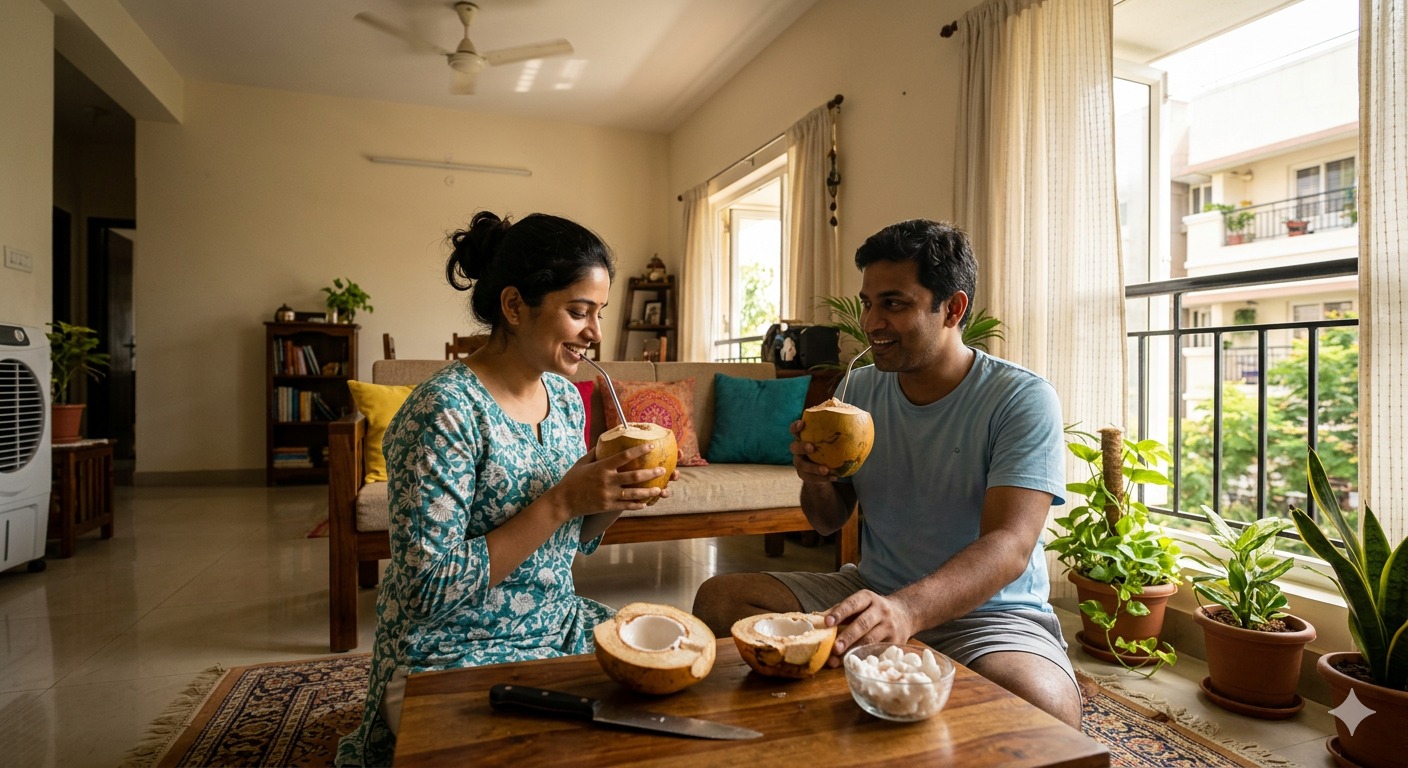
Doctors say the most important defence against heat-related illness is maintaining adequate hydration. "Drinking plenty of water throughout the day is very important, even if you do not feel thirsty," says Dr Brunda M S. "Fluids help the body regulate its temperature and prevent dehydration." She adds that beverages such as coconut water, buttermilk and fresh fruit juices can help replenish lost fluids and electrolytes.
Similarly, Dr Satish Koul, Senior Director and Unit Head of Internal Medicine at Fortis Gurugram, emphasises that hydration should be a priority during heatwaves. "People should drink plenty of water throughout the day, even if they do not feel thirsty," he says. "Avoid beverages such as alcohol, caffeine and sugary drinks, as they can contribute to dehydration."

Avoid Outdoor Exposure During Peak Heat
Health experts advise limiting outdoor activity during the hottest hours of the day. "It is recommended to avoid going outdoors during the hottest part of the day, usually between 11 a.m. and 4 p.m.," says Dr Brunda M S. If going outside is unavoidable, doctors recommend taking protective measures such as:
- Wearing loose, light-coloured cotton clothing
- Using hats, umbrellas or caps
- Wearing sunglasses
- Carrying drinking water
- Dr Koul also recommends applying sunscreen to protect the skin from harmful ultraviolet radiation.
- Eat Light, Hydrating Foods
Diet can also play a role in helping the body stay cool during extreme heat. "Doctors suggest eating light and fresh meals during hot weather," says Dr Brunda M S. Foods rich in water content, such as watermelon, cucumber, oranges and muskmelon, can help maintain hydration.
Heavy, oily or spicy meals may increase body heat and can be harder to digest during hot weather. The Food and Agriculture Organization of the United Nations (FAO) also recommends increasing consumption of fruits and vegetables during hot weather to support hydration and maintain electrolyte balance.
Keep Indoor Spaces Cool
Managing indoor temperatures is another important step in preventing heat-related illness. Doctors recommend:
- Using fans, coolers or air conditioners
- Keeping curtains or blinds closed during the afternoon
- Improving ventilation inside homes
"Keeping homes cool is important," says Dr Satish Koul. "Use curtains, fans or air conditioners to reduce indoor heat." Simple measures like cool showers, washing the face frequently or placing damp cloths on the skin can also help lower body temperature.

Watch For Warning Signs Of Heat Illness
Recognising symptoms early can prevent serious health complications. "Doctors warn people to watch for signs such as dizziness, headache, nausea, excessive sweating, muscle cramps or confusion," says Dr Brunda M S.
If these symptoms appear, individuals should immediately:
- Move to a cooler location
- Drink water or oral rehydration fluids
- Rest and avoid further heat exposure
If symptoms worsen, medical attention should be sought immediately. Heat stroke, characterised by confusion, loss of consciousness and extremely high body temperature, is a medical emergency that requires urgent treatment.
Also Read: Beat The Heat: Doctor Shares The Best Time To Walk And Get Your 10k Steps Safely
Extra Care For Vulnerable Groups
Certain groups are particularly vulnerable to heat-related illnesses. Doctors advise special precautions for:
- Children
- Elderly individuals
- Pregnant women
- People with chronic conditions such as heart disease or diabetes
"Children, elderly people and pets are more vulnerable to heat-related illnesses," says Dr Satish Koul, stressing the importance of monitoring them closely during hot weather.
As climate patterns shift and heatwaves become more frequent, protecting health during extreme temperatures is increasingly important. From drinking enough water and eating hydrating foods to limiting outdoor exposure and recognising early symptoms of heat illness, simple daily precautions can significantly reduce risks. Doctors emphasise that preparation and awareness are key. By staying hydrated, keeping living spaces cool and paying attention to warning signs, individuals can protect themselves and their families during periods of intense heat.
With the summer season already bringing rising temperatures across India, adopting these protective habits can help ensure better health and safety throughout the hottest months of the year.
Disclaimer: This content including advice provides generic information only. It is in no way a substitute for a qualified medical opinion. Always consult a specialist or your own doctor for more information. NDTV does not claim responsibility for this information.