

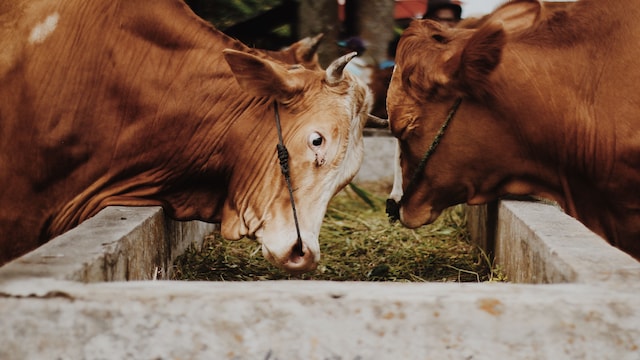
Two dairy farms have tested positive for Shamonda virus in Great Britain, UK. It was detected in cattle across two commercial dairy operations in Shropshire, England, and Powys, Wales. According to a BBC report, the Animal and Plant Health Agency has reported that the virus "not a notifiable or reportable disease" and it coming to the UK "was not unexpected." It added that "there is currently no evidence to suggest that additional disease-control measures" were needed.
The affected dairy cattle exhibited signature signs of the shamonda virus, including fever, acute diarrhoea, lethargy, and a sudden drop in milk production. This follows the world's first documented human case of Shamonda virus, which was reported in France in October 2026.
What is Shamonda virus?
The Shamonda virus (SHAV) is an insect-borne virus that belongs to the Orthobunyavirus genus within the Peribunyaviridae family.
According to the World Health Organisation (WHO), SHAV originated in Nigeria in the 1960s and was found in southern Germany and Switzerland in June 2026. A newly emergent strain has recently spread rapidly across Europe, impacting livestock and marking the virus as an emerging veterinary health concern. It is closely related to other livestock viruses like the Schmallenberg virus and Akabane virus.
As per WHO, it can also affect goats, sheep and horses. There have been reports of birth defects and abortions in infant cows when their mothers have become infected during pregnancy.
How does it spread?
The virus is primarily transmitted through the bites of insects and relies on two main routes to spread:
- Insect Vectors: The primary mode of transmission is through the bites of infected Culicoides biting midges (tiny, blood-sucking flies). Mosquitoes may also play a minor role. The virus cannot spread directly from animal to animal through normal contact.
- Vertical Transmission: Once a pregnant animal is infected via a midge bite, the virus can cross the placenta and infect the developing fetus.
Transmission to humans
There is no evidence that the Shamonda virus can spread from person to person. Also, one cannot catch the virus directly from touching, handling, or being near infected cattle or other livestock.
"Further studies are needed to fully understand transmission. The French patient was in an area where the Shamonda virus was circulating in animals and where Culicoides midges were also present," said WHO.
READ | France Reports First Human Case Of Shamonda Virus, WHO Investigating
Symptoms of Shamonda virus
In animals
The virus is much better understood in animals like cattle, sheep, goats, and alpacas. It causes:
- Reproductive issues: Severe complications including spontaneous abortions, stillbirths, and congenital deformities in newborns.
- Acute illness: High fever, severe diarrhea, loss of appetite, and a sudden drop in milk production.
In humans (highly rare)
In the single, isolated human case reported in an extremely immunocompromised individual, the virus caused severe neurological illness:
- High fever
- Acute inflammation of the brain
- Altered mental state, confusion, and rapidly progressing neurological complications
READ | France Reports First Human Shamonda Virus Case, Says No Health Risk
On October 20, 2026, the National IHR Focal Point of France formally notified the WHO of the first-ever documented human infection of the Shamonda virus. The case involved an older male patient in his 60s living in eastern France. Crucially, the individual was severely immunocompromised and undergoing hospital treatment for an underlying serious illness.
Disclaimer: This content including advice provides generic information only. It is in no way a substitute for a qualified medical opinion. Always consult a specialist or your own doctor for more information. NDTV does not claim responsibility for this information.