

)
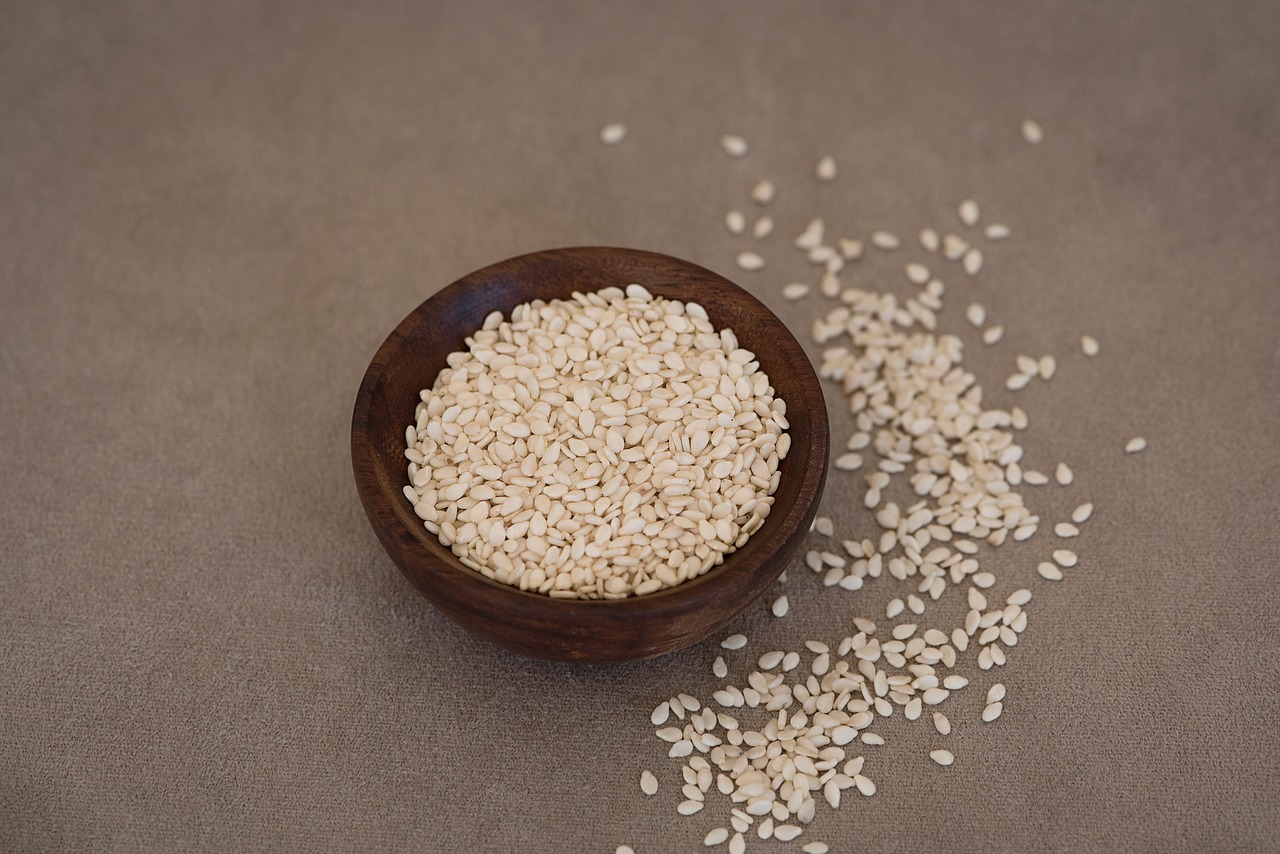
Sesame seeds are tiny, oil-rich seeds that are typically consumed during the winter season in India. These seeds offer many potential health benefits due to their high nutritional value. Sesame seeds are packed with nutrients such as protein, fibre, calcium, magnesium, iron, zinc, and vitamin B1 (thiamine). Even just a small amount can provide significant health benefits. The healthy fats in sesame seeds, particularly polyunsaturated and monounsaturated fats, can help reduce cholesterol levels and lower the risk of heart disease. Sesame seeds are also a great source of calcium and magnesium, both of which are crucial for maintaining strong bones and preventing osteoporosis. Additionally, the lignans and phytonutrients in sesame seeds possess anti-inflammatory properties that may help reduce the risk of chronic diseases.
Why should you consume them during the winter season?
- During winter, it's important to consume foods that are nutrient-dense to support the immune system. Sesame seeds are rich in essential nutrients such as calcium, iron, and magnesium, which can help maintain energy levels and overall health during the colder months.
- According to Ayurveda and traditional medicine, sesame seeds have heating properties that help the body generate internal heat and maintain core temperature. The healthy fats found in sesame seeds, primarily polyunsaturated and monounsaturated fats, can help keep you warm.
- Consuming warming foods like sesame can improve blood circulation, helping the body resist chills and sudden temperature drops.
- The high calcium content in sesame seeds is particularly important in winter, when bones can be more susceptible to strain due to increased indoor activity or less exposure to sunlight for vitamin D synthesis. Sesame's high calcium and magnesium content is vital for maintaining bone density and preventing stiffness.
- Winter often brings a rise in colds and flus, and the anti-inflammatory compounds in sesame seeds can help support the immune system and reduce inflammation in the body, potentially lowering the risk of respiratory illnesses.
- Your digestive system tends to slow down during the winter season, mainly due to the consumption of high-calorie foods. The high-fibre content of sesame seeds can help promote healthy digestion.
- Winter can affect mood and energy levels. The combination of nutrients in sesame seeds, such as magnesium, can help improve mood and reduce feelings of fatigue.
- Diabetics may struggle to maintain healthy blood sugar levels during the winter season. Some studies suggest that sesame seeds can help regulate blood sugar levels, making them beneficial for those with diabetes.
Ways to add sesame seeds to winter diet:
- Traditional Indian staples: During the winter season, till laddus, tilkut, and til chikkis are commonly consumed, which help add sesame to diet.
- Sprinkle on salads: Toasted sesame seeds can add some crunch and nutty flavour to winter salads.
- Add to soups: A spoonful of sesame seeds can enhance the flavour and texture of comforting winter soups and stews.
- Use in baking: Incorporate sesame seeds into homemade bread or baked goods for added nutrition and a nutty taste.
- Make tahini: Blend sesame seeds into tahini, a creamy paste that can be used in dressings, dips, or spreads.
- Mix with vegetables: Toss roasted or steamed winter vegetables with sesame seeds and a drizzle of olive oil for added flavour and nutrition.
- Top yoghurt or oatmeal: Sprinkle sesame seeds on top of breakfast bowls like yogurt parfaits or oatmeal for added nutrition.
- Make energy bites: Combine sesame seeds with nuts, dried fruit, and a natural sweetener to create energy snacks that are perfect for winter.
Incorporating sesame seeds into your winter diet not only boosts the nutritional content of your meals but can also keep you warm from the inside. However, avoid overconsumption to avoid any potential side effects.
Disclaimer: This content including advice provides generic information only. It is in no way a substitute for a qualified medical opinion. Always consult a specialist or your own doctor for more information. NDTV does not claim responsibility for this information.