

)
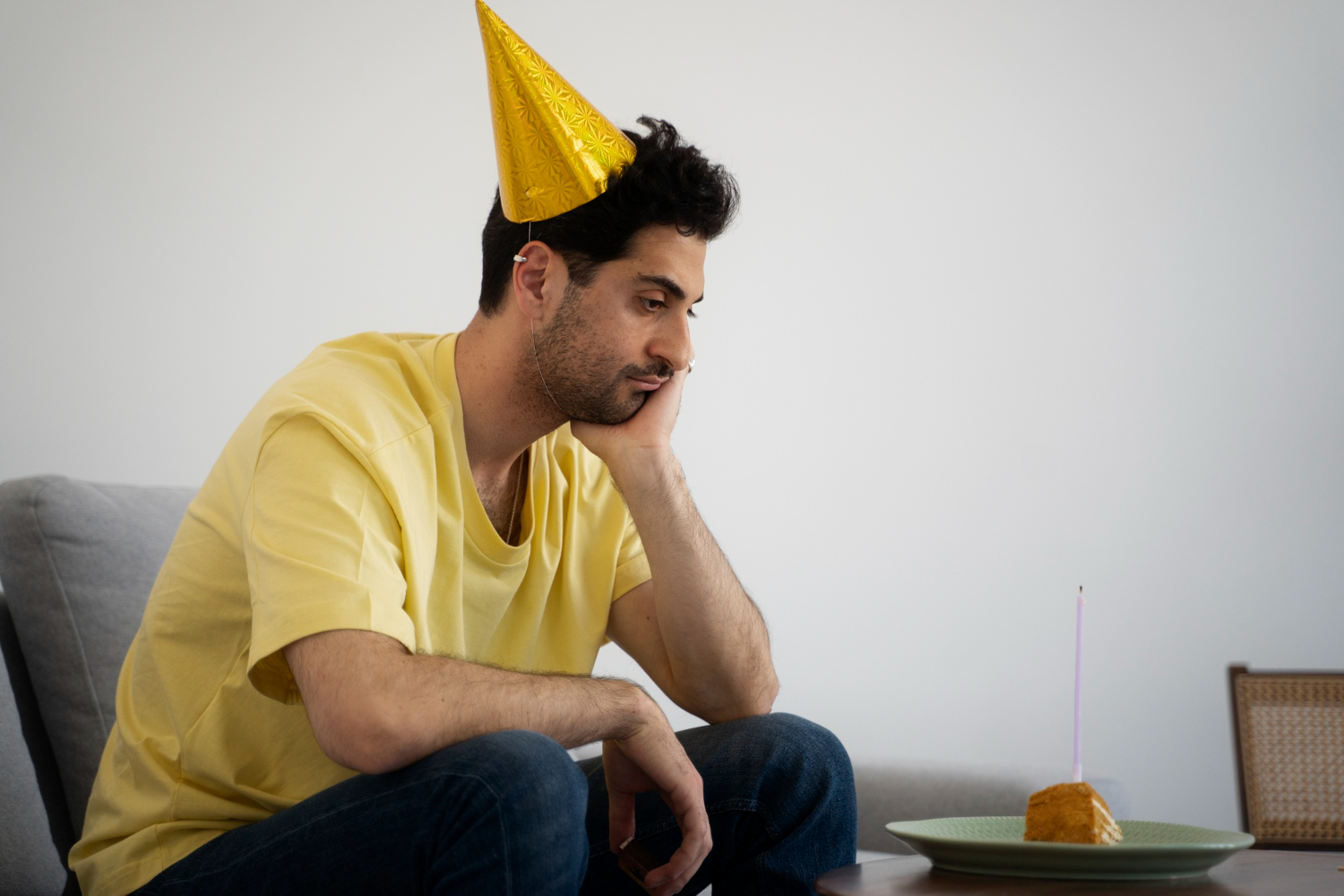
The December festive season, from Christmas through New Year, often brings joy, social gatherings, and a break from everyday routines. Even in India, where the festive season usually revolves around occasions like Diwali or Navratri, the year-end festive season - often called the holiday season to avoid confusion - has now gained immense popularity as the season to party in. But once the celebrations end and life returns to normal, many people experience an emotional dip commonly referred to as post-holiday blues. This feeling of sadness, emptiness or fatigue is not unusual and affects individuals across age groups and cultures. While holidays can provide temporary happiness, they also raise expectations and disrupt normal routines, making the return to everyday life feel anticlimactic for many.
Medical and psychological experts note that the contrast between the high energy of festive days and the quiet return to routine can trigger mood disturbances. Studies show that psychiatric hospitalisations tend to decline during holidays but rebound shortly after, a pattern consistent with emotional letdown after prolonged stimulation and expectation highs.
In addition to emotional factors, physiological drivers such as disrupted sleep, irregular eating, social withdrawal and even seasonal effects like shorter daylight hours can contribute to feelings of low mood after the festive period. Understanding what causes post-holiday blues and how to manage it can help you transition into the new year with better mental resilience and emotional balance.
What Are Post-Holiday Blues?
Post-holiday blues refer to a temporary shift in mood that many people experience after the festive period. It is not a clinical mental health diagnosis like major depression, but it can still significantly affect well-being for days or weeks.
According to psychological research, these blues often surface once the anticipation and excitement of the holidays end. The build-up to Christmas activates reward centres in the brain via neurotransmitters like dopamine; once the season passes, these elevated mood chemicals decline, leaving a sense of loss or emptiness.
Common emotional and physical feelings include:
- Persistent sadness or a sense of let-down
- Lack of motivation or interest in daily activities
- Fatigue or sleep disturbances
- Irritability or emotional exhaustion
- Difficulty concentrating
These symptoms usually ease as routines stabilise, but they can feel very real in the moment.
Key Causes Of Feeling Low After The Holidays
- Disrupted Routines and Sleep Patterns: Holiday schedules often upend regular sleep and wake times, meal patterns and physical activity levels. Returning to structured work or school life can feel abrupt and draining. Studies show that sleep irregularity and disruption strongly influence mood regulation, supporting emotional stability and cognitive function.
- Emotional Letdown After Anticipation: The period leading up to Christmas and New Year is filled with anticipation and planning. When the celebrations are over, many people feel a sudden emotional drop, similar to the "post-event letdown" observed in psychology, where relief replaces excitement once an anticipated event concludes.
- Unmet Expectations: Expectations of perfect festive experiences, warm family moments or a "magical" holiday often don't match reality. This mismatch can lead to disappointment and irritability once the celebrations end. Unrealistic comparisons, especially on social media, can amplify these feelings.
- Social Withdrawal and Routine Return: During holidays, people may spend extended time with family and friends. Afterward, returning to routine, especially solitary environments, can feel isolating. Reduced social activity is one of the documented contributors to post-holiday blues.
- Seasonal Effects and Winter Days: Shorter daylight hours after Christmas contribute to lower mood for many individuals. Seasonal changes, such as reduced sunlight exposure, can exacerbate feelings of fatigue or sadness, and in some cases may relate to Seasonal Affective Disorder (SAD), a subtype of depression linked to winter months.
Distinguishing Holiday Blues From Clinical Depression
Though often temporary, post-holiday blues can feel intense. It is important to recognise when these feelings go beyond temporary low mood. According to mental health resources, if low feelings persist for more than two weeks, significantly impair daily functioning, or include thoughts of self-harm, professional support should be sought.
Some signs to watch for:
- Persistent hopelessness
- Withdrawal from usual activities
- Disrupted sleep or appetite for extended periods
- Thoughts of self-harm or suicide
In India, mental health helplines such as Tele-MANAS (14416/1800-891-4416) and KIRAN Helpline (9152987821) offer confidential support for those who need immediate help.
Coping Strategies to Overcome Post-Holiday Blues
- Re-Establish Routines: Returning to consistent sleep, meal and exercise schedules helps stabilise mood and energy levels. Predictable routines support circadian rhythms and overall well-being.
- Stay Socially Connected: Maintaining social interactions beyond the holidays helps counter feelings of isolation. Simple plans like coffee with a friend or group walks can make a difference.
- Set New Goals: Instead of viewing the end of holidays as an ending, frame it as a new beginning. Setting achievable goals and planning activities can create positive anticipation for the weeks ahead.
- Practice Gratitude and Self-Care: Practices such as daily gratitude journaling or mindful relaxation help shift focus from what's lost to what's present. Emphasising self-care supports emotional resilience during transitional periods.
Feeling low after Christmas and New Year is a common, understandable experience. The sudden shift from routine disruption, heightened expectations and social intensity back to normal life creates a fertile ground for post-holiday blues. Recognising the causes and practising emotional self-care, such as routine reinstatement, social support and goal setting, can help make this transition smoother. Most importantly, understanding that these feelings are temporary and treatable reminds us that feeling low after the holidays does not mean something is permanently "wrong." With time, connection and self-awareness, most people regain their emotional balance and welcome the new year with a clearer mindset.
Disclaimer: This content, including advice, provides generic information only. It is in no way a substitute for a qualified medical opinion. Always consult a specialist or your own doctor for more information. NDTV does not claim responsibility for this information.