

)
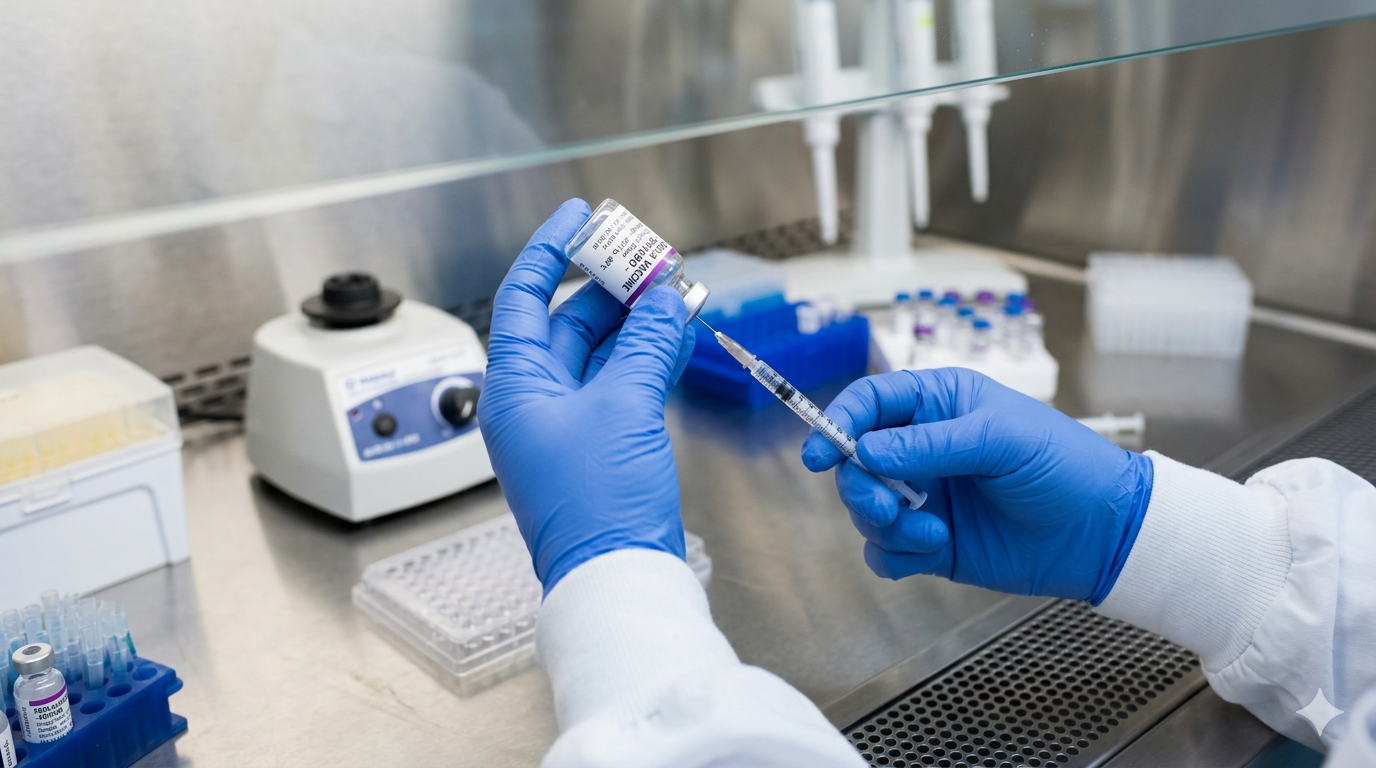
The University of Oxford and the Serum Institute of India (SII) have started the world's first human trial of a vaccine developed to provide protection against the Bundibugyo strain of the Ebola virus. This is an important step as there is currently no approved vaccine for this particular strain. The vaccine, called ChAdOx1 BDBV, has been developed by the Oxford Vaccine Group with support from global health partners. The first Phase I trial will test whether the vaccine is safe and whether it can produce a strong immune response in healthy volunteers.
The trial began just 57 days after the latest Bundibugyo Ebola outbreak was declared, which highlights the pace of research. The Serum Institute of India, one of the world's largest vaccine manufacturers, has produced the trial doses and is also preparing to manufacture larger quantities if the vaccine proves successful. Researchers hope this early work will lead to a vaccine that can be used during future outbreaks
Oxford Vaccine Group said, "The ChAdOx1 BDBV vaccine was developed by scientists at the University of Oxford's Oxford Vaccine Group and Pandemic Sciences Institute and uses the same viral vector platform as the Oxford/AstraZeneca COVID-19 vaccine, which is estimated to have saved over six million lives during its first year of use."
Why Is This Vaccine Important
Ebola is a viral disease that can spread through direct contact with the body fluids of an infected person. It often causes fever, weakness, vomiting, bleeding and, in severe cases, death. While vaccines are available for the Zaire strain of Ebola, there is no approved vaccine for the Bundibugyo strain. This has made the current outbreak in parts of Africa a major public health concern.
The new ChAdOx1 BDBV vaccine has been specially designed to target the Bundibugyo virus.
Details Of The Human Trial
The Phase I clinical trial will take place in Oxford and involve 50 healthy volunteers between the ages of 18 and 55. The goal of this first-stage study is to check whether the vaccine is safe and whether it triggers the body's immune system to produce protection against the virus.
Volunteers will first undergo medical screening before receiving the vaccine. They will then attend follow-up visits over the coming weeks and months so that researchers can closely monitor their health and measure their immune response. If the results are positive, the vaccine will move to larger clinical trials involving more participants.
Role Of The Serum Institute Of India
The Serum Institute of India is playing a key role in the project by manufacturing the vaccine for clinical testing. It has supplied around 4,000 investigational doses for the Phase I study and is preparing for large-scale production if the vaccine progresses successfully through later trial stages.
The company has experience producing vaccines on a large scale, including during the Covid-19 pandemic. Its manufacturing capacity could help ensure that millions of doses become available quickly if the vaccine receives approval. Reports also say the institute is preparing to manufacture more than 6.2 lakh doses to support future studies and emergency use if required.
What Happens Next?
The current trial is only the first step in the vaccine approval process. If the vaccine is found to be safe and capable of producing a strong immune response, it will move to larger studies that will test how well it protects people against the disease. Concerned authorities will then review the results at every stage before deciding whether the vaccine can be approved for public use.
Although more testing is still needed, the launch of this trial marks a major milestone in the fight against Ebola.
Professor Teresa Lambe OBE, Calleva Head of Immunology at the Oxford Vaccine Group and Pandemic Sciences Institute, and the study's Lead Scientific Investigator, said, "Our team has worked tirelessly with global partners to develop a candidate ChAdOx BDBV vaccine, demonstrating how collaborative partnerships can enable rapid response in the face of rapidly evolving outbreaks. This milestone comes after only 57 days since the World Health Organization declared the outbreak a public health emergency of international concern."
Professor Katrina Pollock, MRC Clinician Scientist in Vaccinology, and Chief Investigator at the Oxford Vaccine Group, said, "Launching this first-in-human study of a Bundibugyo ebolavirus vaccine is an important milestone for the programme and the culmination of a significant effort by teams across vaccine development, manufacturing and clinical testing."
Adar Poonawalla, CEO, SII, shared, "We are pleased to support this important Phase I trial by supplying investigational doses of the ChAdOx1 BDBV vaccine candidate for clinical evaluation. During outbreaks, speed, preparedness and global collaboration are essential to advancing vaccine candidates quickly and responsibly.
"CEPI, SII and the University of Oxford are committed to enabling rapid, affordable supply of Bundibugyo virus vaccines to affected countries and to the populations that need them."
Disclaimer: This content including advice provides generic information only. It is in no way a substitute for a qualified medical opinion. Always consult a specialist or your own doctor for more information. NDTV does not claim responsibility for this information.