

)
The World Health Organization estimates that cancer causes nearly 10 million deaths and over 20 million new cases worldwide each year. Cancer treatment is a demanding journey for the body. A critical aspect of the treatment which is often overlooked and neglected is nutrition. Apart from the clinical and mental aspects, nutritional aspects during cancer care also require attention. Good nutrition is not a cure for cancer, nor can it replace medical treatment. However, appropriate nutrition can help the body prepare for treatment, manage it's challenges, help the body tolerate the stress resulting from the disease process as well as the treatment and rebuild strength during recovery.
Preparing the Body Before Treatment
A cancer diagnosis might lead to shifts in habits of eating, appetite and emotional state even before any treatment is initiated. Most of cancers cause calorie deficit resulting in malnutrtion and cachexia which further compromises the healing capacity of the body.
An early treatment undertaken in a proper nutritional state can help to get the energy, protein, vitamins and minerals the body needs to cope with the hard days and physical demands which cancer management demands.
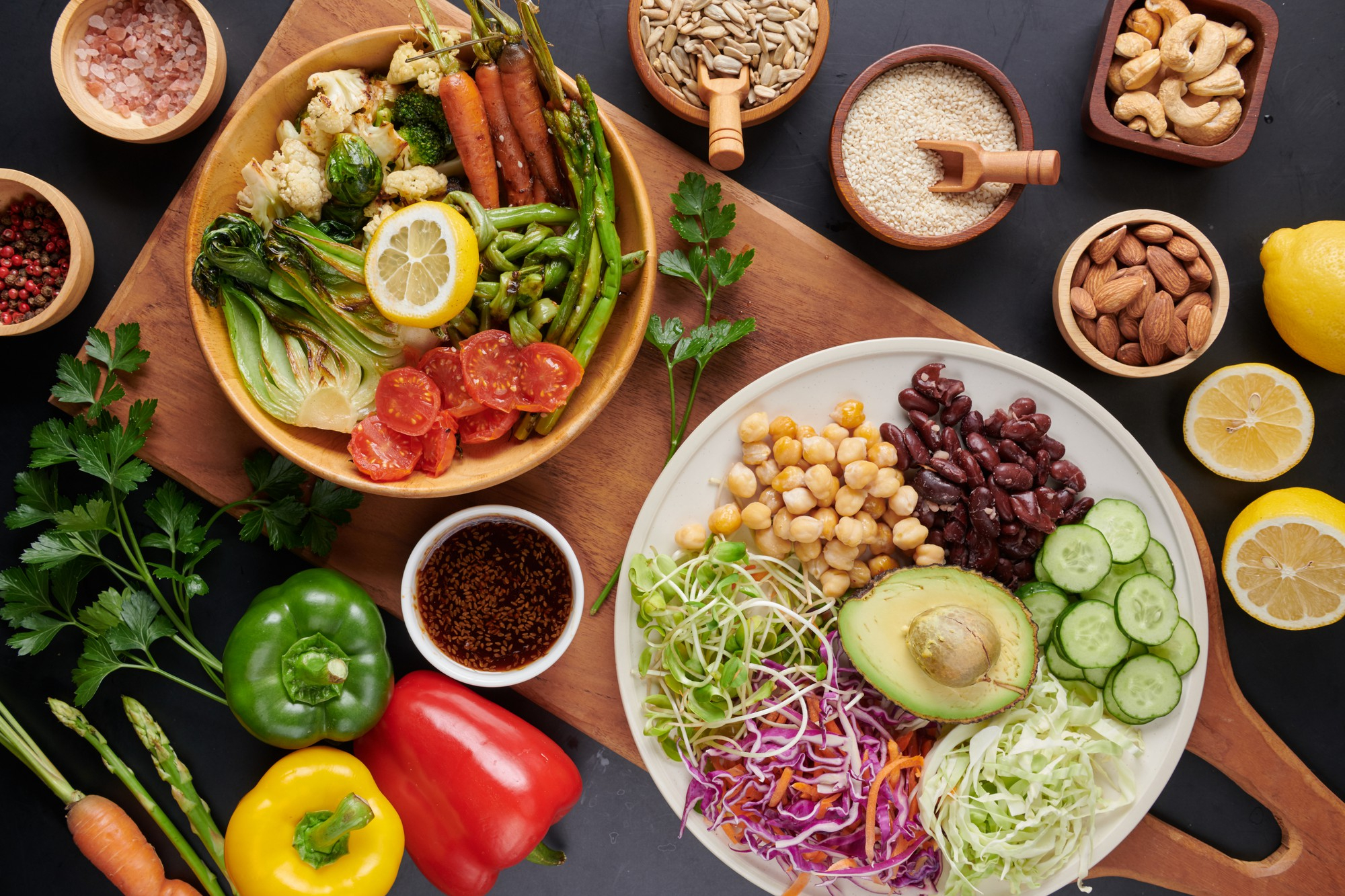
A balanced diet plan based on vegetables and fruit, wholegrains, pulses, nuts and seeds, along with an adequate amount of protein from sources such as dairy, eggs, fish, poultry or plant-based foods, can support overall health and general wellbeing. Managing weight and addressing other nutrition-related problems are also important.
For those who have already experienced weight loss, reduced appetite or difficulty eating, the early consultation with the dietitian is of great importance. Because personalized advice can help to prevent malnutrition and ensure nutritional needs are addressed before the treatment intensifies.
Supporting the Body During Treatment
Nutrition becomes an essential part of cancer care for people undergoing surgery, chemotherapy, radiotherapy, and other cancer treatments. These treatment methods can affect the way a person eats and absorbs nutrients or how the body will respond to food. As it varies from person to person, the common challenges people experience include nausea, vomiting, mouth sores, altered taste, constipation, diarrhoea and loss of appetite.
There is no single 'cancer diet' that works for everyone. Instead, diet and nutrition should be adjusted or adapted to match the individual and their treatment-related symptoms. Adjusting the portion size by making it smaller and more frequent meals might make it easier to manage when appetite is low. Protein-rich foods can help support the maintenance of muscle, while adequate fluids are essential unless fluid intake has been medically restricted. Substituting micro-nutrients and vitamins go a long way in the rehabilitation of a patient.
When eating becomes a struggle for the patient, providing them with nutrient-rich foods, fortified meals and medically recommended nutritional supplements may help meet energy and protein requirements. However, such restrictive diets and untested supplements must not be provided, unless suggested by a healthcare specialist. Because some of these supplements or meals might interfere and negatively affect the treatment. It might even cause nutritional deficiencies.
Rebuilding Strength After Treatment
The end of active treatment does not necessarily mean the end of nutritional needs. Even after active treatment, the need for nutrition will exist. In the phase of recovery, it is necessary to build muscles and restore strength, appetite and proper eating habits.
Over time, the focus can shift towards a varied, predominantly plant-rich diet, adequate protein, healthy fats and high-fibre foods, while limiting highly processed foods and excess added sugars. Maintaining a healthy weight and staying physically active, when medically appropriate, can further support long-term wellbeing.
Nutrition cannot guarantee that cancer will not return. However, healthy dietary and lifestyle patterns may contribute to overall health and are an important part of survivorship care. Recommendations should also take into account the type of cancer, treatment history, medications and any ongoing side effects. Diet for a cancer survivor needs to be personalised taking into consideation the needs of the body as well as the the survivors dietary preferances, financial status, avaibility, underlying co-morbidities and other such issues as may be applicable to the person. Special attention should be given to replenish the aldready exhausted stores of the nutriemts in the body.
Making Nutrition Part of Cancer Care
Nutrition should be viewed as a continuous thread through the cancer journey rather than a short-term intervention. Adequate nutrition is instrumental in helping patients cope with all the phases of their cancer care treatment, from preparing the body before treatment to side effects management, and to healing. Appropriate nutrition can help people maintain strength and quality of life.
The most effective approach is a personalized approach. Working with an oncology dietitian or qualified healthcare professional can ensure a safe and feasible nature of nutrition recommendations which is aligned with the patient's specific treatment plan. In the end, one must always remember Cancer is a battle which has to be won with the help of multimodality approch and nutrition and diet management form one of the important pillars of the treatment.
Disclaimer: This content including advice provides generic information only. It is in no way a substitute for a qualified medical opinion. Always consult a specialist or your own doctor for more information. NDTV does not claim responsibility for this information.