

)
In a landmark achievement that could transform organ transplantation for people living with HIV, surgeons at NYU Langone Health in New York have successfully performed the world's first HIV-positive-to-HIV-positive lung transplant. The historic procedure was carried out on March 21, 2026, and involved a 56-year-old patient living with HIV who received donor lungs from a dead individual who was also HIV-positive.
The breakthrough marks a major step forward in transplant medicine, opening a previously unavailable pool of organ donors for HIV-positive patients suffering from end-stage lung disease. Until now, while HIV-positive patients could receive organs from HIV-negative donors, lung transplantation using organs from HIV-positive donors had never been attempted successfully. Experts say the achievement could help address chronic organ shortages while improving healthcare equity for people living with HIV.
The procedure was performed under the HIV Organ Policy Equity (HOPE) Act framework, a US law that permits the transplantation of organs from HIV-positive donors into HIV-positive recipients under carefully monitored protocols. Researchers and transplant specialists believe the success of this operation may pave the way for broader adoption of similar procedures worldwide.
A Historic First In Transplant Medicine
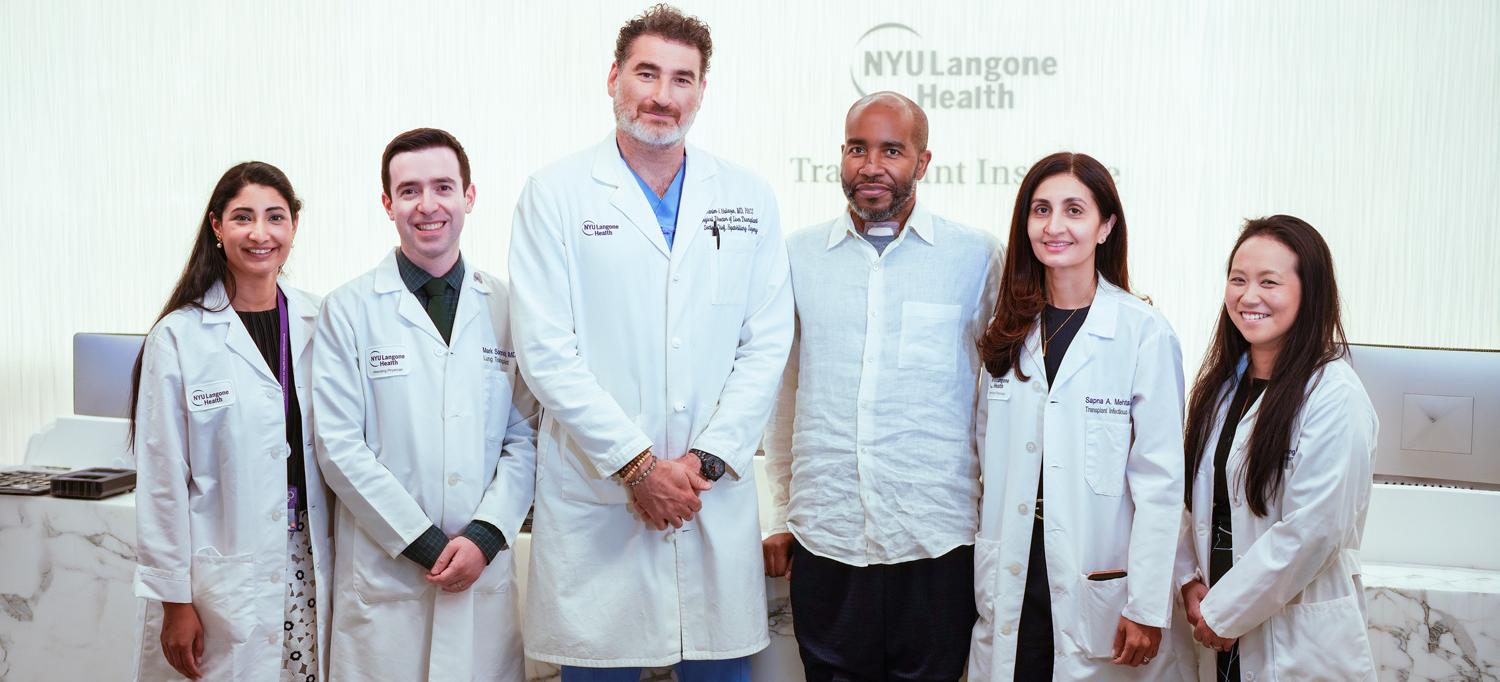
According to NYU Langone Health, the recipient, Bertrand Nelson, had been living with HIV for more than two decades and suffered from advanced sarcoidosis, an inflammatory disease that severely damaged his lungs and liver. Following a severe case of Legionnaires' disease in 2021, his condition deteriorated significantly, eventually requiring continuous oxygen support.
On March 21, 2026, surgeons performed a double-lung transplant using lungs from an HIV-positive donor. During the same operation, Nelson also received a liver transplant. Months later, he is reportedly breathing without supplemental oxygen for the first time in four years and is recovering well.
"This is a watershed moment for the HIV-positive community," said Dr Sapna Mehta, Clinical Director of the NYU Langone Transplant Institute, noting that the procedure represents a major advance in creating equity in organ transplantation.
Why This Breakthrough Matters
According to the World Health Organization, approximately 39.9 million people worldwide were living with HIV at the end of 2023. Thanks to modern antiretroviral therapy (ART), many individuals with HIV now enjoy near-normal life expectancy. However, they remain susceptible to chronic illnesses that may eventually require organ transplantation.
A persistent challenge has been the shortage of donor organs. The ability to use organs from HIV-positive donors could substantially increase the available donor pool and reduce waiting times for HIV-positive recipients. Researchers have long argued that excluding organs solely based on HIV status unnecessarily limits lifesaving opportunities.
The Role Of The HOPE Act
The HIV Organ Policy Equity (HOPE) Act, enacted in the United States in 2013, reversed decades-old restrictions that prohibited the use of organs from HIV-positive donors. Since then, kidney and liver transplants between HIV-positive donors and recipients have demonstrated encouraging outcomes.
A multicentre study published in the American Journal of Transplantation found that liver transplantation from HIV-positive donors to HIV-positive recipients was feasible and showed outcomes comparable to transplants using HIV-negative donor organs. These findings helped build confidence in expanding transplantation options under the HOPE framework.
However, lungs present unique challenges because they are constantly exposed to environmental pathogens and are generally more vulnerable to infection and rejection after transplantation. This made the successful HIV-to-HIV lung transplant a particularly significant milestone.
Are Lung Transplants Safe For People Living With HIV?
Historically, HIV infection was considered a contraindication for organ transplantation due to concerns about immunosuppression and opportunistic infections. However, advances in antiretroviral treatment have changed this perception dramatically.
Research published in the journal Transplantation Proceedings found that carefully selected patients with well-controlled HIV can undergo lung transplantation with outcomes that are increasingly comparable to those seen in HIV-negative recipients. Experts emphasise that successful transplantation depends on maintaining viral suppression, monitoring drug interactions, and ensuring close post-operative follow-up.
The latest case further strengthens evidence that HIV status alone should not prevent patients from accessing advanced transplant care.
What This Means For The Future
Transplant specialists believe the success of the world's first HIV-to-HIV lung transplant could encourage more centres to explore similar procedures. By expanding the donor pool, healthcare systems may be able to reduce wait-list mortality and provide more equitable access to transplantation for people living with HIV. The achievement also reflects the remarkable progress made in HIV care over the past three decades, from a once-fatal diagnosis to a chronic, manageable condition in which complex surgeries such as organ transplantation are increasingly possible.
The world's first HIV-positive-to-HIV-positive lung transplant marks a turning point in both HIV care and transplant medicine. Beyond its technical success, the procedure challenges long-standing assumptions about HIV and organ donation, offering renewed hope to thousands of patients awaiting lifesaving transplants. As research continues and transplant programmes evolve, this milestone may ultimately help make organ transplantation more accessible and equitable for people living with HIV around the world.
Disclaimer: This content including advice provides generic information only. It is in no way a substitute for a qualified medical opinion. Always consult a specialist or your own doctor for more information. NDTV does not claim responsibility for this information.