

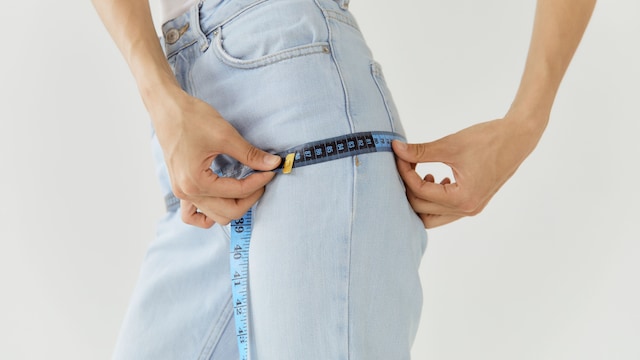
The thigh muscles, primarily the quadriceps and hamstrings, are the largest muscle group in the human body, making them a powerful predictor of overall health and longevity. Research consistently shows that greater lower-body muscle mass and strength directly correlate with lower rates of chronic disease, fewer fatal falls, and a longer lifespan. Dr Saurabh Sethi, a gastroenterologist trained at AIIMS, Harvard, and Stanford Universities, recently took to Instagram and shared a video highlighting the crucial role of thigh muscles.
"New research shows that the size of your thighs predicts how long you will live, and the science behind that is one of the most important things that anyone older than 50 might need to understand," Dr. Sethi said in the video.
"A landmark study followed 3,000 adults for 12 years. People with smaller thighs had significantly higher rates of heart disease and early death," he added.
The study, published in the British Medical Journal (BMJ), examined how the size of a person's thighs could act as a warning sign for heart disease and premature death.
Major findings of the study revealed:
1. Participants with smaller thigh circumferences had a significantly higher risk of developing heart disease, coronary heart disease, and dying prematurely during the follow-up period.
2. The data showed a distinct cutoff point right around 60 cm:
- People with thighs smaller than 60 cm faced a sharply higher risk of premature death and heart issues.
- People with thighs larger than 60 cm did not get any extra health benefits from having even bigger thighs, meaning you just need to clear that baseline threshold.
Importantly, these results held even after researchers mathematically adjusted for other factors like overall body fat, belly fat, smoking, blood pressure, cholesterol, and physical activity. Small thighs were a risk factor on their own.
READ | Can Eating More Protein Help You Live Longer?
The researchers concluded that a small thigh size usually points to a low regional muscle mass in the lower body. Because your leg muscles are your largest muscle group, they play a massive role in clearing sugar from your bloodstream and regulating your metabolism. Lacking muscle in this area can negatively impact your blood sugar control and heart health over time.
"But here is what most people get wrong. It's not about fat, it's about muscles in your thighs. Your thighs are your largest muscle group," Dr. Sethi highlighted.
"More leg muscle is linked to better blood sugar control, lower insulin resistance, and a healthier heart. So climb stairs, walk uphill, do squats. Even standing up from a chair without using your hands can tell us a lot about longevity," he concluded.
READ | Scientists Identify Molecular Switch Behind Ageing-Related Brain Disease
How to maintain thigh strength
To prevent age-related muscle loss, incorporate compound lower-body exercises like squats, lunges, step-ups, or leg presses two to three times a week. Additionally, engage in simple daily habits such as walking uphill, taking the stairs, and standing up from a chair without using your hands to keep muscles active.
Disclaimer: This content including advice provides generic information only. It is in no way a substitute for a qualified medical opinion. Always consult a specialist or your own doctor for more information. NDTV does not claim responsibility for this information.