

)
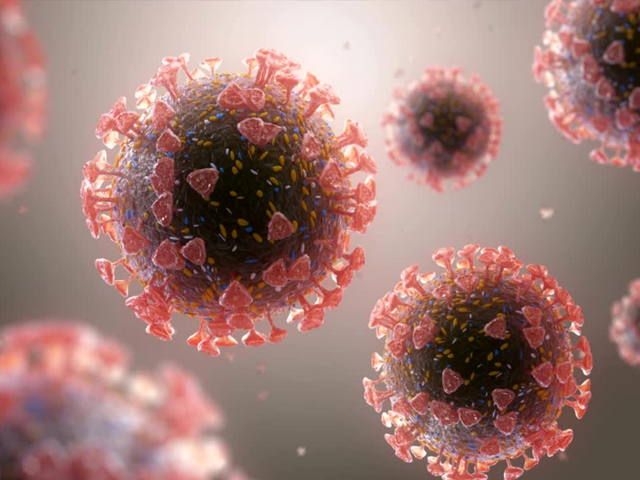
The Omicron RF.5 variant has been identified through genome sequencing of COVID-19 positive samples in Andhra Pradesh. RF.5 is a sub-lineage of the Omicron variant of the coronavirus and is one of several Omicron sub-lineages identified worldwide.
The Andhra Pradesh Health Department had sent four COVID-19 positive samples from Kadapa district to the National Institute of Virology (NIV) laboratory in Pune for genome sequencing. The test results have now been received.
Following the results, State Health Minister Satya Kumar Yadav spoke with senior health officials over the phone to review the findings from the Pune laboratory and discuss the latest COVID-19 situation in the state. A statement was subsequently issued.
According to Dr. Vishnuvardhan, Director of Medical Education, the World Health Organization (WHO) is monitoring the RF.5 variant as part of its routine genomic surveillance of SARS-CoV-2. RF.5 cases have been reported in higher numbers in Singapore and some Southeast Asian countries.
However, based on the scientific evidence currently available, there is no indication that RF.5 is more dangerous than other Omicron variants. Therefore, the public need not be alarmed, Dr. Vishnuvardhan said.
What is Omicron RF.5?
RF.5 is a sub-lineage of the Omicron variant of the SARS-CoV-2 virus.
It evolved naturally from the JN.1 lineage through the LF.7 → PY.1.1.1 evolutionary branches. It is not a recombinant variant. The World Health Organization continues to monitor RF.5 as part of its ongoing genomic surveillance.
Dr. Vishnuvardhan said that the symptoms of RF.5 are similar to those of other Omicron sub-variants and include:
- Sore throat
- Cough
- Fever
- Headache
- Runny or blocked nose
- Fatigue
- Body aches
State Preparedness
Health Minister Satya Kumar Yadav said that COVID-19 cases in Andhra Pradesh remain sporadic and that the state's hospitals are fully prepared to respond to the situation. Special wards and beds are being readied in teaching hospitals, and the necessary testing kits and other infrastructure are being made available for COVID-19 detection and treatment.
So far, 16 COVID-19 cases have been reported in the state. Twelve of these cases were recorded up to July 16.
Disclaimer: This content including advice provides generic information only. It is in no way a substitute for a qualified medical opinion. Always consult a specialist or your own doctor for more information. NDTV does not claim responsibility for this information.