

)
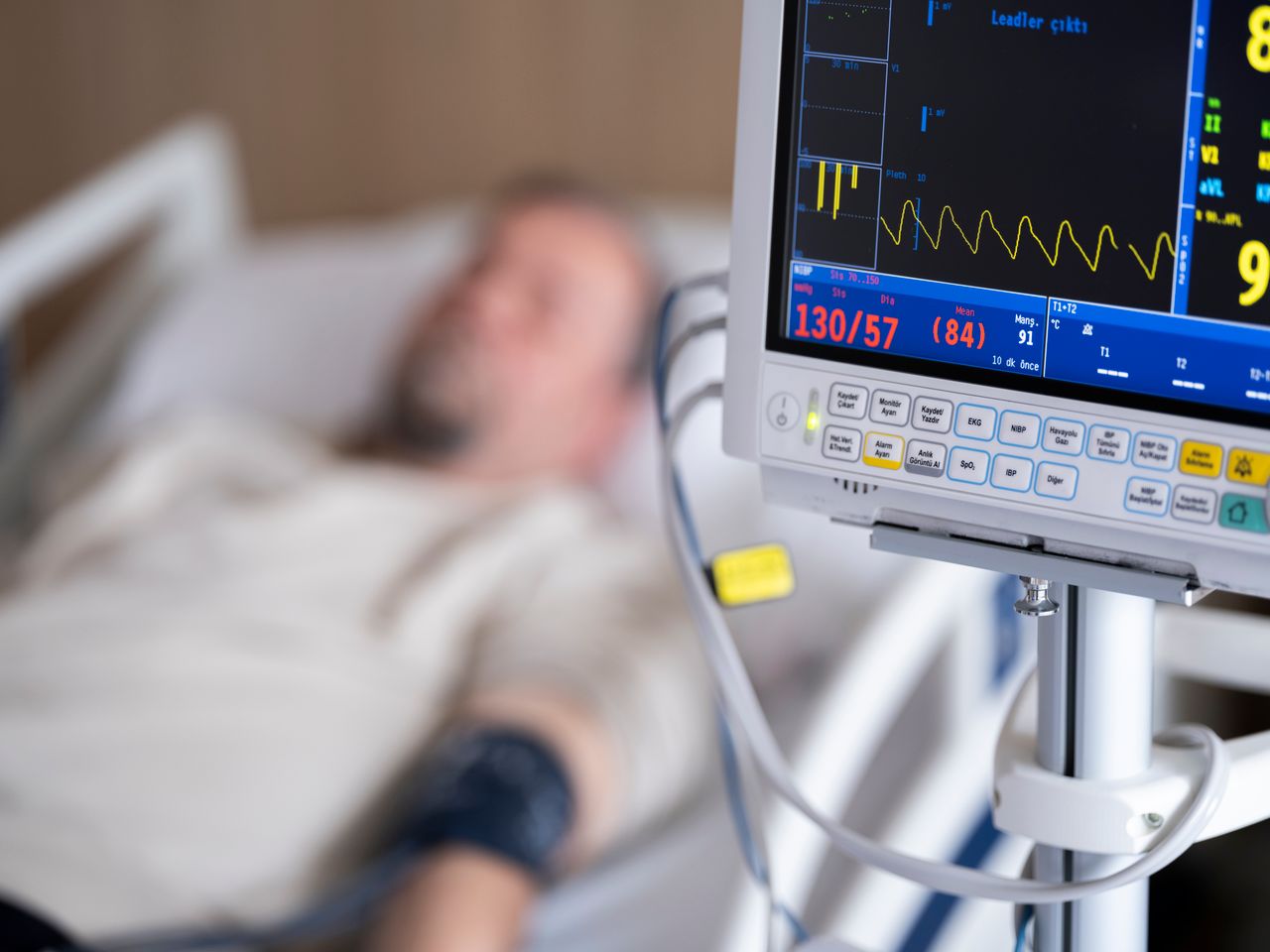
When influenza strikes, the lungs and airways usually get the most attention. But a severe infection can affect far more than breathing. The heart can also come under considerable stress, particularly when influenza progresses to pneumonia, low oxygen levels, sepsis or other complications. "Severe infections do not affect only the lungs, kidneys or other organs, they can also place significant stress on the cardiovascular system," says Dr Vivek Tandon, Director & Head, Cardiology, ShardaCare-HealthCity.
This matters because influenza has been linked to an increased short-term risk of cardiovascular events, including acute myocardial infarction (heart attack). A 2025 systematic review and meta-analysis of 17 studies found a significant association between influenza and acute myocardial infarction, with the risk appearing particularly high during the first few days after infection.
The risk is not the same for everyone. People with coronary artery disease, heart failure, diabetes, hypertension and older adults are particularly vulnerable to complications when they develop severe flu.
So, can H1N1 or another severe influenza infection actually trigger a heart attack or abnormal heartbeat? Yes, it can, although such complications are not inevitable.
How Can A Severe Infection Stress The Heart?
When the body fights a serious infection, the immune system releases inflammatory chemicals and the body activates its stress response. Heart rate can rise, blood vessels can change their tone and the heart may need more oxygen.
At the same time, severe infection can interfere with the delivery of oxygen to tissues because of low blood oxygen, low blood pressure or abnormalities in circulation. "For people who already have coronary artery disease, this additional stress can potentially trigger a heart attack," Dr Tandon explains.
A heart attack occurs when part of the heart muscle does not receive enough blood and oxygen, most commonly because blood flow through a coronary artery becomes blocked. Inflammation may also make an existing coronary plaque more vulnerable to rupture, potentially triggering clot formation and an acute coronary event.
Flu And Heart Attack: What Does The Evidence Show?
The association between influenza and heart attacks is more than theoretical. A 2018 study found that the risk of acute myocardial infarction was approximately six times higher during the week after laboratory-confirmed influenza infection.
More recent evidence supports the association. A 2025 systematic review and meta-analysis involving 17 studies found a pooled adjusted odds ratio of 2.70 for acute myocardial infarction associated with influenza. In self-controlled case-series studies, the risk was particularly pronounced during the first three days after infection, with an incidence rate ratio of 6.83.
These numbers do not mean that every person with flu has a six-fold or three-fold chance of having a heart attack. They describe relative changes in risk observed at a population level and, importantly, the absolute risk for an individual varies considerably. The association is particularly relevant for people who already have cardiovascular disease.
The US Centers for Disease Control and Prevention (CDC) notes that about half of adults hospitalised with influenza during recent seasons have had heart disease. It also cites research showing increased risks of heart attack and stroke following flu infection.
Why Can Flu Trigger An Abnormal Heartbeat?
A severe infection can affect not only the heart's blood supply but also its electrical system. "Fever, dehydration, low oxygen levels and abnormalities in electrolytes such as potassium and magnesium can make the heart more prone to abnormal rhythms," says Dr Tandon.
The body's stress response can further increase adrenaline and other catecholamines, which can raise heart rate and cardiac workload. Research on sepsis-induced cardiac complications identifies several mechanisms that can contribute to arrhythmias, including inflammation, electrolyte abnormalities, myocardial ischaemia, excessive adrenergic activation, altered calcium handling and fever.
Atrial fibrillation (AF) is particularly important in critically ill patients. Sepsis is recognised as a risk factor for new-onset AF, while both atrial and ventricular arrhythmias can complicate severe infection. That can mean a person develops a racing, irregular or unusually forceful heartbeat during a serious infection.
Can H1N1 Cause Heart Inflammation?
Yes. Influenza can occasionally cause myocarditis, or inflammation of the heart muscle, as well as pericarditis, inflammation of the sac surrounding the heart. The CDC lists myocarditis and pericarditis among recognised cardiac complications of influenza. Myocarditis can affect the heart's ability to pump and may also produce electrical instability, increasing the risk of arrhythmias.
However, myocarditis is not the same thing as a heart attack. A heart attack generally involves inadequate blood flow to the heart muscle, usually because of coronary artery disease, whereas myocarditis is inflammation of the heart muscle.
Both can produce symptoms such as chest discomfort and breathlessness, which is why medical evaluation is important rather than trying to determine the cause at home.
What Is Sepsis-Induced Cardiac Dysfunction?
When an infection becomes severe enough to cause sepsis, the heart can temporarily become weaker. This is known as sepsis-induced cardiomyopathy or sepsis-induced cardiac dysfunction. It can involve reduced pumping ability, impaired relaxation of the heart or problems affecting the right ventricle.
Recent reviews describe it as a spectrum rather than a single condition. One 2025 review found that new-onset left-ventricular systolic dysfunction occurs in approximately 5% to 32% of patients with sepsis, although reported rates vary depending on how cardiac dysfunction is defined and detected.
Dr Tandon explains that "sepsis-induced cardiac dysfunction" can sometimes resemble other cardiac conditions, including acute coronary syndrome or myocarditis. Doctors may therefore need an ECG, cardiac biomarkers such as troponin and echocardiography to determine what is happening. Echocardiography is particularly useful for assessing heart function in suspected sepsis-related cardiac dysfunction.
Importantly, a raised troponin during sepsis does not automatically mean a conventional heart attack. Doctors have to interpret the result alongside symptoms, ECG findings, imaging and the overall clinical picture.
Who Is Most Vulnerable?
Not every person with H1N1 or seasonal influenza will develop a heart complication. The risk becomes greater when the infection is severe or when the person already has cardiovascular or metabolic risk factors.
People who warrant particular attention include those with:
- Coronary artery disease or a previous heart attack
- Heart failure
- Hypertension
- Diabetes
- Older adults
- Other chronic medical conditions
- Severe influenza requiring hospitalisation
People who need oxygen, mechanical ventilation or medicines to support blood pressure are particularly ill and may require closer cardiovascular monitoring. The CDC considers people with heart disease, diabetes and other chronic conditions to be at increased risk of serious influenza complications.
Warning Signs You Should Not Ignore
It can be easy to dismiss breathlessness, fatigue or weakness as part of the flu. But certain symptoms warrant urgent medical attention. Dr Tandon says "new or persistent chest pain or pressure, unexplained breathlessness, fainting, severe palpitations, extreme weakness or sudden deterioration require urgent medical assessment."
Other classic heart attack symptoms can include discomfort spreading to the arm, shoulder, back, neck or jaw, nausea, light-headedness and unusual tiredness. Someone with influenza who develops new chest pressure, significant breathing difficulty, fainting or a sustained racing or irregular heartbeat should not simply assume it is another symptom of the infection.
Can Flu Vaccination Protect The Heart Too?
The primary purpose of influenza vaccination is to prevent influenza and its complications, but cardiovascular benefits have also been observed. The CDC notes that flu vaccination has been associated with lower rates of some cardiac events among people with heart disease.
A systematic review and meta-analysis involving more than 217,000 people with established cardiovascular disease or high cardiovascular risk found that influenza vaccination was associated with lower risks of major adverse cardiovascular events, cardiovascular death and myocardial infarction.
A 2025 European Society of Cardiology consensus statement also identifies influenza vaccination as an important component of cardiovascular prevention, particularly for people with existing cardiovascular disease.
Vaccination does not eliminate cardiovascular risk, but preventing influenza can help prevent one of the physiological stresses that may precipitate cardiovascular complications.
What To Do If You Have Flu And Heart Disease
If you have known heart disease and develop influenza symptoms, don't wait for the illness to become severe before contacting your doctor. The CDC recommends prompt antiviral treatment for people with heart disease who have confirmed or suspected influenza. Antiviral medicines work best when started early, ideally within the first one to two days after symptoms begin.
At the same time, continue prescribed heart medicines unless your doctor tells you otherwise, maintain appropriate hydration if medically suitable, and seek help promptly if breathing, chest symptoms or heart rhythm changes develop.
A bout of flu may begin as a respiratory illness, but a severe infection can become a whole-body stress test, including for the heart. Inflammation, increased cardiac workload, low oxygen, dehydration, electrolyte disturbances and stress hormones can create conditions in which heart attacks, arrhythmias, myocarditis or temporary cardiac dysfunction become more likely, particularly among people with existing cardiovascular disease.
That does not mean every person with H1N1 is at risk of a heart attack. But chest pain, unexplained breathlessness, fainting, severe palpitations or sudden deterioration during or shortly after a serious infection should never be written off as "just the flu".
As Dr Tandon puts it, "The key message is that a severe infection can act as a stress test for the heart." Early treatment of infection, appropriate oxygenation and fluid management, correction of electrolyte abnormalities and cardiac monitoring in high-risk patients can help reduce complications.
Disclaimer: This content including advice provides generic information only. It is in no way a substitute for a qualified medical opinion. Always consult a specialist or your own doctor for more information. NDTV does not claim responsibility for this information.