

)
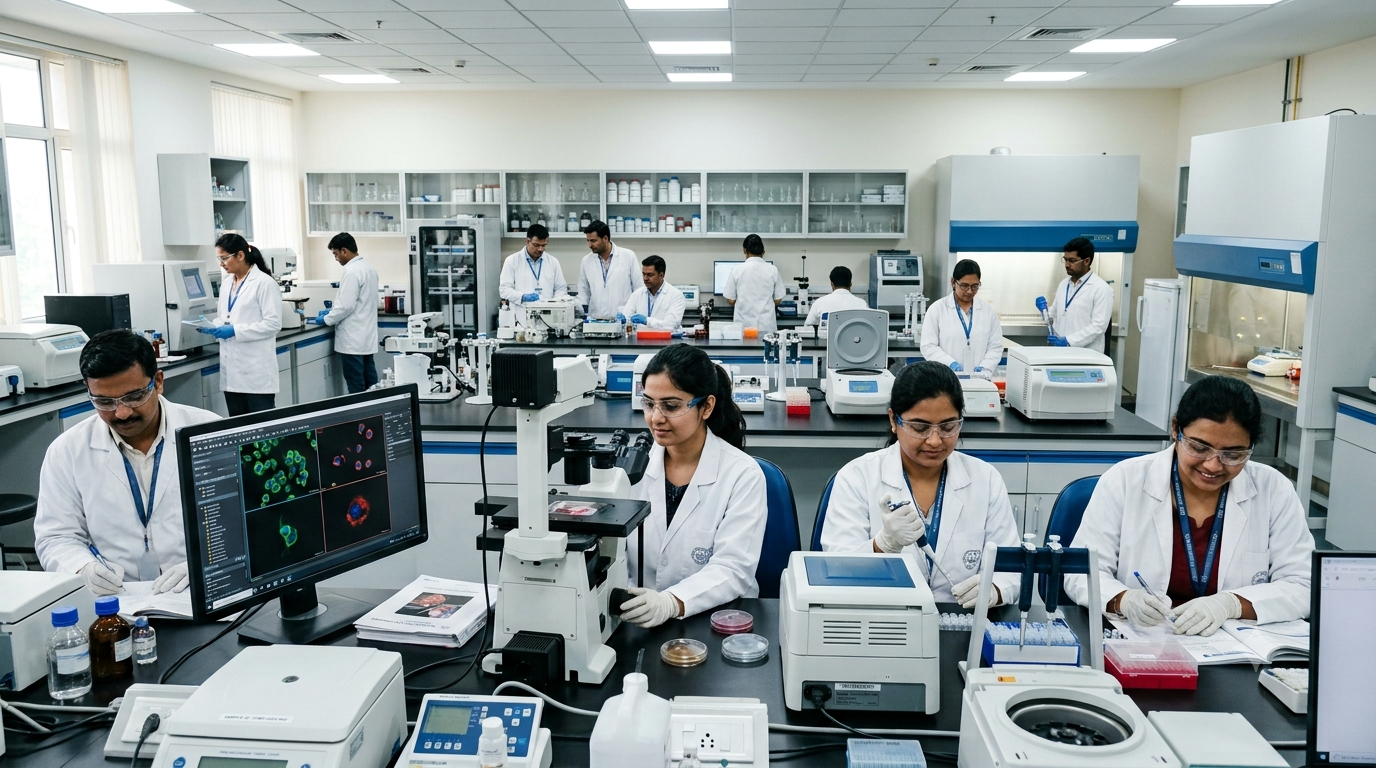
The Centre has released the draft National Health Research Policy 2026, proposing a major overhaul of India's health research ecosystem to better align scientific research with the country's disease burden and public health priorities. The policy aims to strengthen indigenous innovation, promote evidence-based policymaking and ensure that research delivers measurable improvements in healthcare. Health research in India spans several disciplines, including biomedical science, clinical medicine, public health, epidemiology, digital health, health systems research, behavioural sciences and emerging technologies. Together, these areas play a crucial role in understanding diseases, developing new treatments and improving healthcare delivery.
Why Is A New Health Research Policy Needed?
The Department of Health Research has unveiled the Draft National Health Research Policy 2026; it marks the India's first comprehensive framework designed to unify health research across all sectors. The draft has been released for public consultation, with stakeholders invited to submit feedback until July 27, after which the policy will be finalised. The proposed policy seeks to align scientific research with the country's disease burden and public health needs, encourage indigenous innovation, strengthen evidence-based policymaking, and ensure measurable outcomes. It also aims to address fragmentation and regional disparities in health research while accelerating the translation of scientific findings into healthcare practice and public policy.
The draft policy proposes shifting research from being largely publication-driven to becoming more patient-centric, policy-oriented and outcome-focused, ensuring that scientific discoveries translate into real-world health benefits.
Also read: Rise Seen In Health Insurance Coverage Across India, Says NFHS-6: What This Means
What Are The Key Objectives?
The National Health Research Policy 2026 aims to:
- Align research with India's disease burden and national health priorities.
- Encourage indigenous innovation in medicines, vaccines, diagnostics and medical technologies.
- Strengthen evidence-based health policymaking.
- Improve collaboration among research institutions, universities, hospitals and industry.
- Build research capacity across states and healthcare institutions.
- Promote ethical, transparent and high-quality research practices.
- Enhance India's preparedness for future public health emergencies.
Stronger Focus On Indigenous Innovation
One of the policy's major goals is reducing dependence on imported healthcare technologies by promoting home-grown innovation. Researchers will be encouraged to develop:
- Vaccines
- Diagnostic tools
- Medical devices
- Digital health solutions
- Artificial intelligence applications
- Precision medicine technologies
This aligns with India's broader push towards Atmanirbhar Bharat in healthcare.
Research That Solves Real Health Problems
The policy proposes that research funding should increasingly focus on problems that affect the Indian population rather than purely academic interests. Priority areas include:
- Diabetes
- Heart disease
- Cancer
- Tuberculosis
- Maternal and child health
- Mental health
- Antimicrobial resistance
- Rare diseases
- Climate-sensitive illnesses
- Healthy ageing
The objective is to generate evidence that directly improves prevention, diagnosis, treatment and healthcare delivery.
Also read: Falling Fertility Rate, Rising Hospital Deliveries: NFHS-6 Shows A Changing Motherhood Story
Better Preparedness For Future Pandemics
The COVID-19 pandemic highlighted the importance of rapid research and coordinated scientific response. The draft policy seeks to strengthen India's ability to:
- Detect emerging diseases
- Conduct real-time surveillance
- Develop vaccines quickly
- Build clinical research networks
- Improve emergency response systems
This would help the country respond more effectively to future public health threats.
Digital Health And Artificial Intelligence
The policy also recognises the growing role of technology in healthcare. It encourages research into:
- Artificial intelligence
- Digital health platforms
- Big data analytics
- Genomics
- Precision medicine
- Telemedicine
These technologies could improve disease prediction, diagnosis and personalised treatment while expanding healthcare access in underserved regions.
Strengthening Research Infrastructure
The policy proposes building stronger research ecosystems by:
- Upgrading laboratories
- Expanding clinical research facilities
- Supporting multidisciplinary collaborations
- Training young researchers
- Increasing research funding
- Promoting partnerships between academia, hospitals and industry
It also emphasises equitable research opportunities across states rather than concentrating resources in a few institutions.
Why It Matters
Health research forms the backbone of modern healthcare. It helps:
- Understand disease patterns
- Develop vaccines, medicines and diagnostics
- Improve healthcare delivery
- Guide public health policies
- Strengthen disease surveillance
- Prepare for future health emergencies
A stronger research ecosystem ultimately benefits patients by ensuring that healthcare decisions are based on robust scientific evidence.
What Happens Next?
The National Health Research Policy 2026 is currently in the draft stage and is expected to undergo stakeholder consultations before being finalised. Once implemented, it could reshape India's health research landscape by encouraging innovation, improving collaboration and ensuring that scientific research is better aligned with the country's evolving healthcare needs.
Disclaimer: This content including advice provides generic information only. It is in no way a substitute for a qualified medical opinion. Always consult a specialist or your own doctor for more information. NDTV does not claim responsibility for this information.