- Gut bacteria largely determine the health impact of Indian diets and lifestyles
- 56.4% of India's disease burden links to gut health issues from poor diets
- Urbanization drives dietary shifts toward processed foods and reduced diversity
It is a common belief that people are what they eat. However, the biological reality is far more microscopic. People are, in essence, what their gut bacteria decide to do with what is consumed on a daily basis. At the 16th India Probiotic Symposium recently held in New Delhi, the dialogue shifted from simple digestion to a high-alert national health warning. As Shri Rajiv Gauba, Member of NITI (National Institution for Transforming India) Aayog, delivered a chillingly precise wake-up call, he said that "micro-organisms can create macro consequences", and warned that India is facing a rising gut health crisis.
What this statement means is basically that people tend to focus on macronutrients, where they practise meticulous calorie counting, protein ratios, and carbohydrate tracking, while the "micro" engine driving the entire system is frequently ignored. This neglect has led to damaging personal lifestyle choices, which have evolved into a "rising gut health crisis" that threatens the economic and social standing of the country.
The National Gut Health Crisis Warning
The data shared by the Gut Microbiota and Probiotic Science Foundation is worrying. According to the Indian Council of Medical Research (ICMR) and National Institute of Nutrition (NIN), approximately 56.4% of India's total disease burden is now linked to unhealthy or imbalanced diets due to gut health issues. Indian people aren't just battling "stomach bugs"; they are facing a rising gut health crisis due to fundamental changes to their internal ecosystems.
The primary driver is the change in dietary patterns. As urbanisation accelerates, traditional, nutrient-dense diets are being traded for ultra-processed alternatives. This shift is taking place due to the following reasons:
- Aesthetic misinformation, where social media trends prioritise "visual" food over nutritional density.
- Hyper-convenience is the norm where quick-commerce platforms make processed snacks more accessible than a fresh meal.
- The urban toll due to the rise in chronic stress and sedentary routines effectively "starves" microbial diversity.
Shri Rajiv Gauba's assessment is clear that this isn't merely about individual wellness. The "demographic dividend" is present in the massive young Indian workforce that can only be realised if that workforce remains functional. A Viksit Bharat cannot be constructed on a foundation of chronic inflammation and metabolic syndrome.
Also Read: What Happens When You Eat Fermented Foods Daily For 2 Weeks? Doctor Explains
A Lifelong Journey: From Cradle To Centenarian
The symposium's theme, "Gut Microbiome and Probiotics: Impact from Cradle to Centenarians", underscored that microbial health is a lifelong narrative. These "micro" consequences begin in infancy; disruptions in a child's microbiome can programme the body for diabetes or obesity decades later. As Indian people age, declining gut flora becomes a leading cause of everything from weakened immunity to neurodegenerative decline. This phenomenon has also been highlighted in the research from ICMR and NIN.
However, science has evolved beyond the generic advice of "eating more dahi. " The industry is entering the era of precision medicine, where key emerging frontiers include the following:
- Next-generation microbiome-based therapeutics that treat the gut as a living pharmacy.
- Synthetic biology and CRISPR(Clustered regularly interspaced short palindromic repeats)-enabled engineering to create "designer" probiotic strains.
- Targeted anti-inflammatory functions specifically engineered to combat metabolic disorders prevalent in the Indian population.
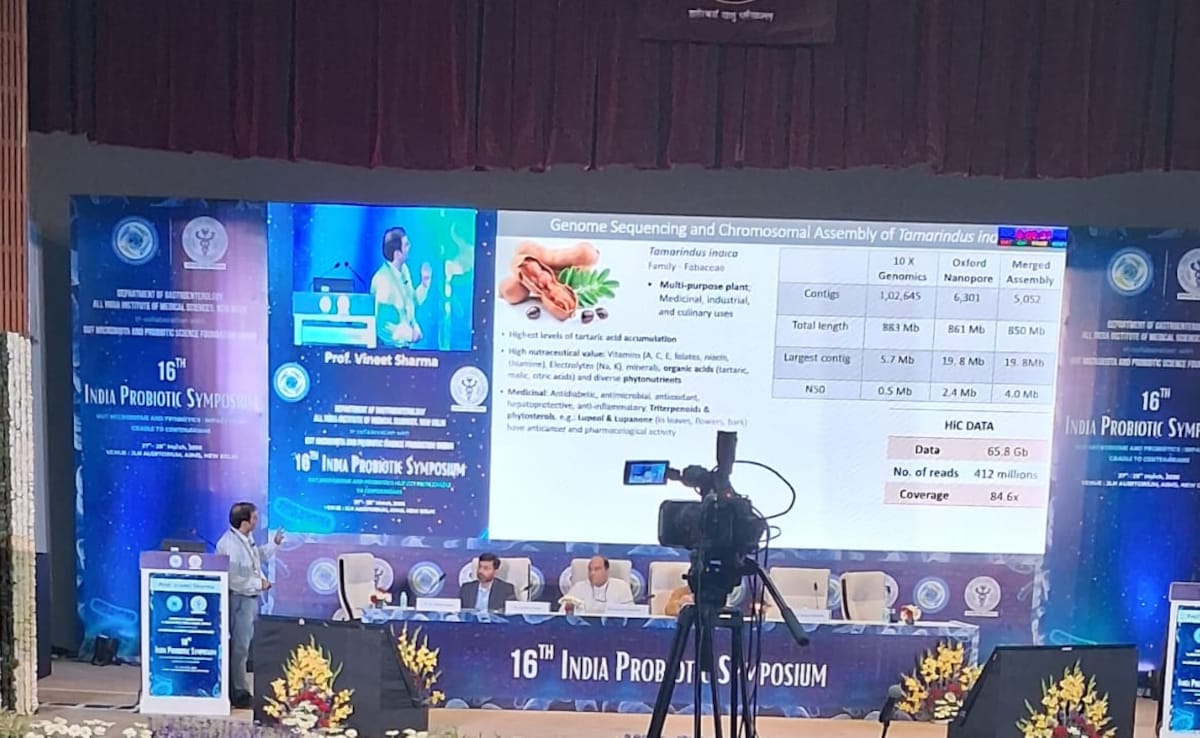
16th Probiotic Symposium held in New Delhi
The Power Of The Indian Data Pool
To solve this, science must look at the Indian gut specifically. Research indicates that the Indian microbiome is distinct from Western counterparts due to genetics, climate, and spice-rich diets. According to an article in the journal GigaScience, it clearly indicates that the Indian gut has a unique gene catalogue and faecal metabolome compared to Western populations.
By leveraging the Indian data pool, which is a massive, diverse genomic library, the scientists can develop "clinically validated probiotics" tailored to the specific microbial signatures of Indian people. This is where India's secret weapon comes in with its traditional wisdom. From kanji to regional fermented delicacies, the solution often lies in combining ancient fermentation heritage with modern genomic precision.
Also Read: Can Consuming Dhania-Pudina Chutney Fix Your Gut In Summer? Science Says Yes
Combatting The "Health-Washing" Epidemic
With rising awareness comes the inevitable surge of "health washing". NITI Aayog issued a stern warning against the rise of misinformation and misleading advertisements currently flooding the supplements market.
According to the Dietary Guidelines for Indians(2024), there is a desperate need to move away from "miracle pills" toward evidence-based habits. While the decline in out-of-pocket health expenditure (from 62.6% to 39.4% between 2015 and 2022) is a victory for government initiatives like Ayushman Bharat, personal prevention remains the only sustainable path forward.
The conclusion that everyone needs to understand is that the gut is the "master regulator". If Indian people continue to ignore the trillions of tiny tenants living within, the macro consequences that can be economic, social, and physical will become a rising mountain of debt.
Disclaimer: This content, including advice, provides generic information only. It is in no way a substitute for a qualified medical opinion. Always consult a specialist or your own doctor for more information. NDTV does not claim responsibility for this information.