

)
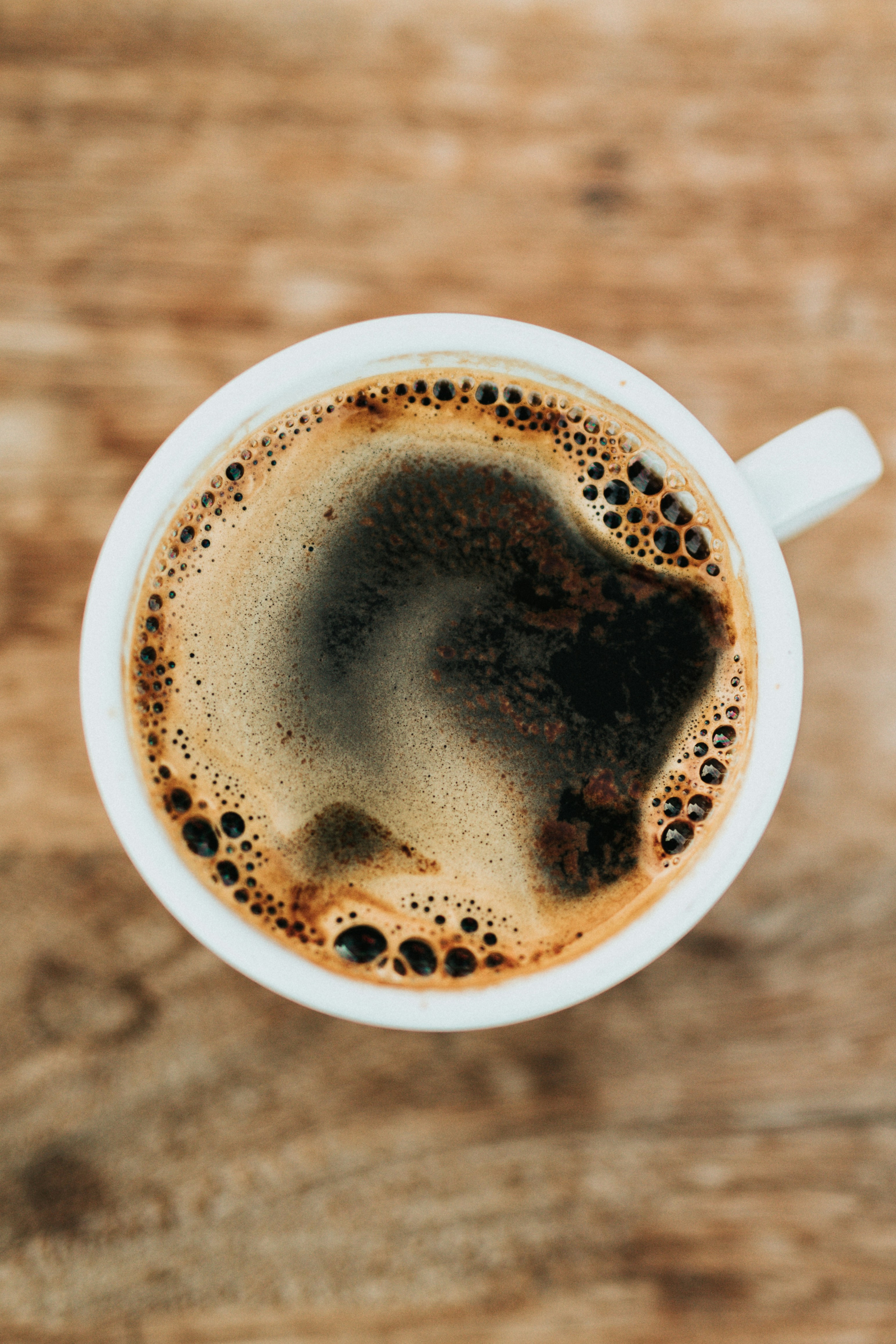
Most people grab a warm, steaming cup of black coffee to start their day with a dose of caffeine to beat the sleepy feeling. However, after drinking a cup, a sudden and uncomfortable feeling of physical panic can occur, characterised by sweaty palms, a racing heart, or a sudden cloud of worry. Research published in the Frontiers of Psychology details that when black coffee is consumed on an empty stomach, the sudden jolt of caffeine into the system can spike anxiety and trigger a mini stress response.
This habit is concerning and should be kept in mind by those who already have issues dealing with anxiety. This is not an issue that impacts a small population, as it has been flagged by the World Health Organization (WHO), wherein about 38 million people in India have some form of anxiety. This makes identifying early morning triggers of anxiety essential for tackling the mental health issue.
What Science Says About Black Coffee On An Empty Stomach
Research published in the Journal of Education, Health and Sport suggests that drinking black coffee in the morning may increase cortisol levels, a stress hormone. In the morning, natural alertness and stress hormone functioning are already high, especially 30 to 45 minutes after waking up.
The window between waking up and downing a cup of black coffee makes the body shift gears into adapting itself to the effects of a powerful external stimulant.
There is a collision of natural alertness and the effects of black coffee, which shifts your body into heightened anxiety mode.
Also Read: Why Obsessing Over Your Sleep Score On Your Smartwatch Is Giving You Insomnia
How Black Coffee Heightens Anxiety Levels
The mechanism behind this operates on the environment inside your body. In the morning, your body lacks macronutrients such as protein, fats, or complex carbohydrates to slow down the caffeine absorption in the body. This absence causes caffeine absorption to occur at a faster pace.
The intake of caffeine rapidly crosses the blood-brain barrier to block adenosine (the chemical that tells your brain it's time to rest). This rapid absorption forces the central nervous system into an unbuffered, hyper-activated "fight-or-flight" state. Anxiety is facilitated due to this mechanism, which makes people wary of consuming black coffee on an empty stomach.
Differences Between Caffeine Jitters And Anxiety
Developing jitters right after caffeine consumption is common, but you need to understand if it is anxiety that you may be feeling. There are red flags that you need to know to make a distinction and take the right approach to tackle the anxiety that you may be feeling. Here is what you should know to differentiate between coffee-induced jitters and anxiety:
- From a biological standpoint, you can experience an accelerated and racing heart rate after a black coffee. While psychological, if it is triggering anxiety, then you may develop intense feelings of immediate dread.
- Your muscles can tighten, and you may develop hand tremors if you have jitters. But if you become irritable and short-tempered, then it is anxiety.
- Jitters can also cause a sudden drop in blood sugar, while anxiety after a black coffee can cause you to not sit still or concentrate.
Note: Drinking black coffee before breakfast should be done only in the case your body is able to adapt to its effects.
Doctor Explains Quick Fixes To Fix Your Black Coffee-Triggered Anxiety
Your body becomes conditioned to consume caffeine at intervals according to the habits you have that help you to function. To gain a deeper insight into the exact ways that black coffee triggers anxiety when consumed on an empty stomach, NDTV spoke to Dr Sudhir Kumar, Neurologist, Apollo Hospitals, Hyderabad, who explained how caffeine affects the body's functioning.
Dr Kumar says, 'The impact of early-morning stimulants on the central nervous system.' Clinically, introducing caffeine immediately upon waking disrupts the brain's natural adenosine regulation. Because caffeine is rapidly absorbed on an empty stomach, it acts as a sudden neural accelerator, causing a sharp uptick in the firing of neurons. This abrupt shift mimics a stress response, directly triggering the physical symptoms of anxiety-such as hand tremors (jitters) and a racing pulse-before the brain has naturally transitioned into a fully awake state." He also provided quick fixes if you happen to experience anxiety after drinking black coffee; here is how:
- You don't need to quit caffeine entirely, but tweak the time of consumption; make it a habit after you have had breakfast.
- Delay the first cup of coffee after the morning cortisol peak has subsided.
- If you are not hungry but need to drink your coffee, then eating something small that can coat the stomach lining and slow down caffeine absorption is necessary.
To balance your caffeine intake and make the caffeine work for you in a smart manner, you need to understand how it can affect you. You need to avoid making mistakes when it comes to drinking a cup of black coffee in the morning and make sure that it doesn't trigger anxiety. You can follow the doctor's explained tips to make sure that it doesn't affect you in a negative manner.
Disclaimer: This content including advice provides generic information only. It is in no way a substitute for a qualified medical opinion. Always consult a specialist or your own doctor for more information. NDTV does not claim responsibility for this information.