

)
A recent study, published in Indian Journal of Medical Research (IJMR), said that India will likely see a sharp rise in lung cancer cases by 2030. The study also revealed that the North-East will be the worst-affected region in the country, and women will witness the fastest increase in cases. According to the World Health Organization (WHO), lung cancer is a significant public health concern, causing a considerable number of deaths globally. WHO states that in 2022, there were an estimated 20 million new cancer cases and 9.7 million deaths. About 1 in 5 people develop cancer in their lifetime, approximately 1 in 9 men and 1 in 12 women die from the disease.
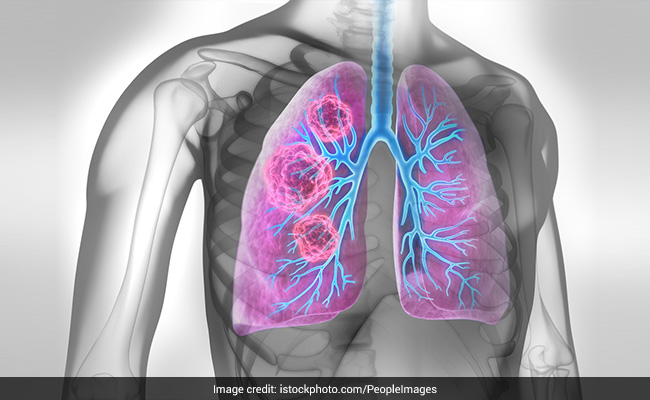
Lung cancer is caused when there's uncontrolled cell division in your lungs. The damaged cells divide themselves, which leads to the creation of masses, or tumours, of tissue. This eventually prevents your organs from functioning properly.
The new Indian Council of Medical Research (ICMR) study shows that lung cancer incidence will be the highest in the North-East, wherein the rates among women are close to those of men. The study included data from 57 populations across six regions, which showed that Aizawl recorded the highest number, with age-standardised incidence at 35.9 per lakh among men and 33.7 per lakh among women, along with the highest mortality.
According to a report in TOI, extremely high tobacco use; over 68% among men and 54% among women, continues to drive the region's cases. However, doctors say that the disease profile is shifting. Dr Saurabh Mittal of AIIMS's pulmonology department said, "We are seeing more lung cancer cases among non-smoking women, linked to indoor air pollution, biomass fuel use, second-hand smoke and occupational exposure."
This shift is also seen in the pattern of tumours across the nation. Adenocarcinoma has replaced smoking-linked squamous-cell carcinoma as the dominant subtype. In Bengaluru, it now accounts for over half of lung cancer cases among women, while Delhi has seen a sharp rise in large-cell carcinoma. Adenocarcinoma is a type of cancer that begins in the glandular epithelial cells lining organs, producing mucous or other fluids. It can develop in the lungs, breast, colon, prostate, pancreas, and stomach, among other places. Lung adenocarcinoma is a type of non-small cell lung cancer (NSCLC) that develops in the outer parts of the lungs. It is known to be the most common form of lung cancer in non-smokers. However, it is also linked to smoking and other exposures like radon and asbestos.
The study also found that southern districts such as Kannur, Kasargod and Kollam, saw a high incidence of lung cancer among men, even with relatively low tobacco and alcohol use. Hyderabad and Bengaluru had the highest number of cases among women in the south. In the north, Srinagar showed high lung cancer rates among men, whereas women in Srinagar and Pulwama also had high incidence despite low substance use.
The above data highlights that the incidence of lung cancer is increasing by nearly 6.7% annually among women and 4.3% among men in some regions. Thiruvananthapuram saw the sharpest rise among women and Dindigul saw the highest rise among men.
While tobacco use among women is below 10 per cent across the country, researchers say that the worsening air quality and indoor air pollution are the major factors for this rise. According to current projection, lung cancer incidence among men could exceed 33 per lakh in parts of Kerala, while among women it could rise to over 8 per lakh in cities like Bengaluru by 2030.
Ways To Prevent Lung Cancer
Avoiding tobacco use is one of the most effective ways to prevent lung cancer. Quitting reduces risk substantially, with benefits increasing over time.
- Quit Smoking: Smokers have nearly 20 times higher risk than nonsmokers. However, cases of lung cancer among non-smokers has been increasing.
- Avoid Secondhand Smoke: Inhaling others' smoke exposes lungs to the same toxins. This ranks as the third leading cause in nonsmokers.
- Test for Radon: This radioactive gas is the top cause in nonsmokers, seeping into homes from soil. When there are high levels, it increases risk, especially for smokers. Use affordable home kits and seal foundations or ventilate to reduce concentrations.
- Limit Carcinogen Exposure: Workplace hazards like asbestos, arsenic, diesel exhaust, and radiation increase risk, which tends to get amplified by smoking.
- Maintain Healthy Habits: Regular exercise and diets rich in fruits/vegetables may provide modest protection via antioxidants and reduced inflammation.
Disclaimer: This content including advice provides generic information only. It is in no way a substitute for a qualified medical opinion. Always consult a specialist or your own doctor for more information. NDTV does not claim responsibility for this information.