

Also read: World Brain Tumor Day: 7 Signs That Indicate You Are Suffering From Brain Tumor
A risk factor is anything which has an impact on your likelihood of getting affected by a particular disease. However, the presence of certain risk factors does not mean that you will get affected by the disease and vice versa.
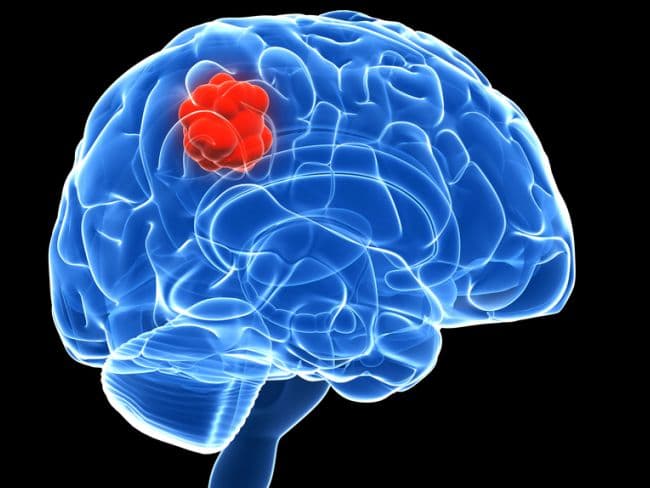
This World Brain Tumor Day, learn about 5 important risk factors which can affect your likelihood of getting affected by brain tumor.
1. Age and gender
Men are more prone to brain tumors than women. However, there is one form of tumor which develops only in women. It is the meningioma tumor. While brain tumors can affect anyone at any age, the risk of developing increases when you cross 70 years of age. So is the case with kids. Broadly, children and older adults are at a higher risk of brain tumors.
Also read: 5 Worst Foods For Your Brain
2. Radiations
Studies show that people who work in nuclear industries are more prone to brain tumors. This is because their brain is exposed to radiations most of the time. Also, if you have recently gone through an x-ray or ionizing radiation it can cause damage to brain cells, which may result in a brain tumor.
3. Family history
Although most brain tumors are not a genetic condition, 5% of the total cases are affected by a family history of the disease. Researchers, however, are digging deeper to find out a solid reason for this.
Also read: 5 Harmful Effects Of Mobile Phones On Your Brain
4. Electromagnetic fields
The role of electromagnetic fields, like those created by your cell phones is believed to be a risk factor for brain tumors. This one, however, needs deeper research to state whether these radiations are increasing the risk of brain tumor or not. Nevertheless, the WHO recommends people to limit the use of cell phones, especially in kids, just as a precautionary measure.
5. History or seizures and head injury
Serious head injuries and trauma have been linked with an increased risk of brain tumors for a long time now. Some studies link brain trauma with meningioma but not with glioma. Similarly, a history of seizures has also been linked to brain tumors. This is because seizures are a symptom of brain tumor. Therefore, it is believed that recurring seizures are a risk factor for brain tumors.
Happy World Brain Tumor Day!
Disclaimer: This content including advice provides generic information only. It is in no way a substitute for qualified medical opinion. Always consult a specialist or your own doctor for more information. NDTV does not claim responsibility for this information.