

)
Feeling unusually hungry, anxious or unable to sleep before your period? These changes may not be random. Nutritionist Anjali Mukherjee explains that this may be linked to PMS (Pre-Menstrual Syndrome) and says understanding these changes can make women manage them better.
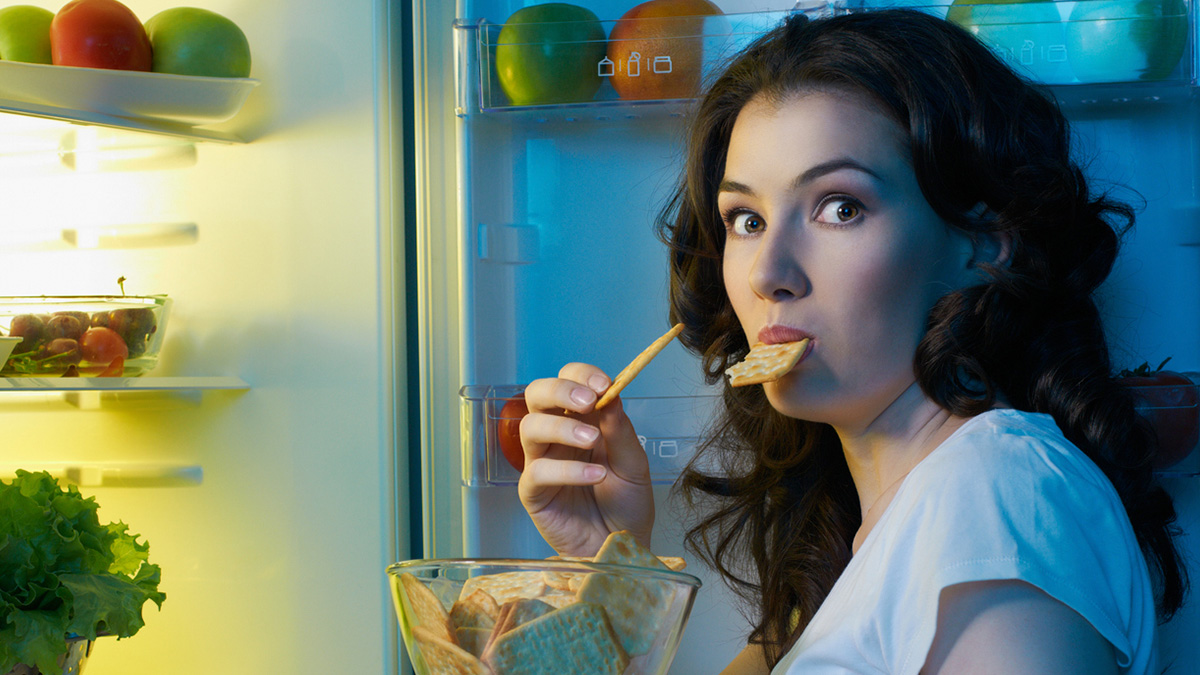
"That late-night sugar craving before your period is not simply a lack of willpower," she captions her post.
Mukherjee says PMS can cause several changes, including mood swings, anxiety, depression, increased hunger, loss of appetite, constipation and difficulty sleeping. She says the first step is to understand that these symptoms are linked to the menstrual cycle.
“PMS can affect your mood, appetite, sleep and digestion. Understanding your monthly pattern helps you prepare for these changes instead of being caught off guard every time,” she adds.
Mukherjee says if you know that you usually feel anxious before your period, remind yourself that it is a temporary change linked to your cycle. She says understanding that "it's not you, it's just your period" can help you deal with the anxiety better.
The nutritionist also mentions the importance of diet and nourishment during this phase. According to Mukherjee, getting enough calcium and magnesium through the diet may help support the body during PMS and may also help improve sleep.
Staying hydrated is another important step, she says. Drinking enough water and having fluids such as salty soups can help keep the body hydrated during this time.
Mukherjee also advises women to eat regular and balanced meals. PMS can affect appetite differently, with some women feeling hungrier than usual and others not feeling like eating at all. So if you are aware of this pattern then you can prepare yourself for these changes instead of suddenly reaching for sugary foods.
"The goal is not to fight your body, but to nourish it better," she adds.
Disclaimer: This content including advice provides generic information only. It is in no way a substitute for a qualified medical opinion. Always consult a specialist or your own doctor for more information. NDTV does not claim responsibility for this information.