

)
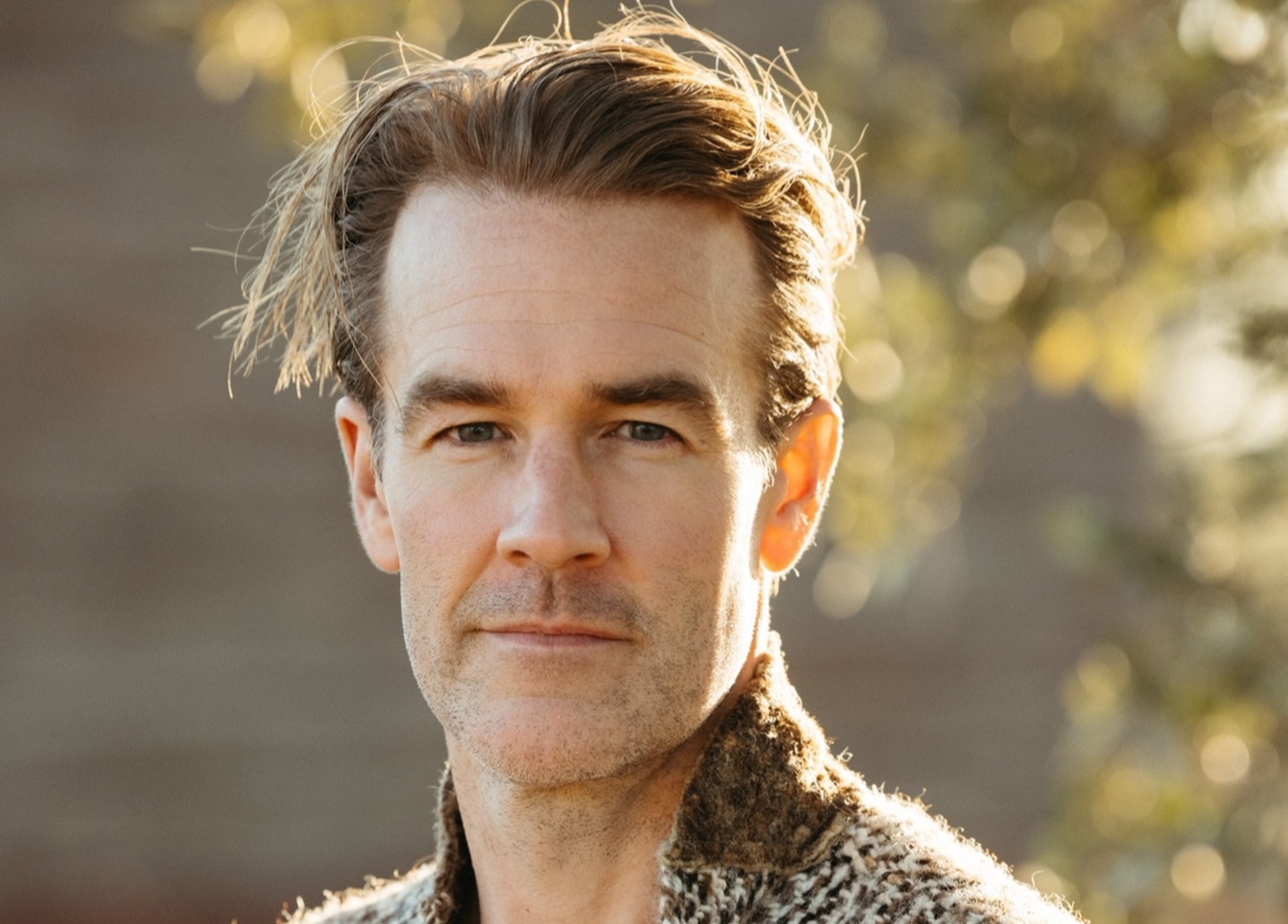
Actor James Van Der Beek known for his role in the American TV series 'Dawson's Creek' passed away at 48. Van Der Beek, in 2024, had shared that he was being treated for colorectal cancer. A statement posted on his official Instagram page read, "Our beloved James David Van Der Beek passed peacefully this morning. He met his final days with courage, faith, and grace. There is much to share regarding his wishes, love for humanity, and the sacredness of time. Those days will come. For now we ask for peaceful privacy as we grieve our loving husband, father, son, brother, and friend."
In a statement to People magazine, Van Der Beek said, "I have colorectal cancer. I've been privately dealing with this diagnosis and have been taking steps to resolve it, with the support of my incredible family. There's reason for optimism, and I'm feeling good."
Later, in an Instagram post, he said, "... I'd planned on talking about it at length with People magazine at some point soon to raise awareness and tell my story on my own terms. But that plan had to be altered early this morning when I was informed that a tabloid was going to run with the news. I've been dealing with this privately until now, getting treatment and dialing in my overall health with greater focus than ever before. I'm in a good place and feeling strong. It's been quite the initiation, and I'll tell you more when I'm ready."
What Is Colorectal Cancer?
This is a type of cancer that affects the colon or rectum. The World Health Organisation (WHO) says that it is the third most common cancer worldwide and accounts for approximately 10% of all cancer cases. The risk of colorectal cancer increases with age, with most cases reported in people over 50 years, says WHO.
Symptoms Of Colorectal Cancer
Some of the common signs of colorectal cancer include:
- Abdominal pain
- Bloating
- Blood on or in your stool
- Constipation or diarrhoea
- Feeling like there's still poop in your bowel even after you go to the bathroom
- Feeling tired or weak
- Unexplained weight loss
Cleveland Clinic says that certain common conditions like stomach flu or food poisoning can make your gut hurt and cause constipation and diarrhoea. "Having them doesn't mean you have colon cancer. But talk to a healthcare provider if these issues last for more than a few days."
In most cases, colon cancer develops slowly. It can take about 10 years for a precancerous polyp to turn into a cancerous polyp that may cause symptoms.
Risk Factors Of Colorectal Cancer
There are certain factors that can increase your risk of colon cancer. According to Mayo Clinic, these factors are:
- Age: While it can happen at any age, it is commonly seen in people who are older than 50. It is also important to note that the number of people below 50 who have colon cancer has been increasing.
- Race: Black people in the United States have a higher risk of colon cancer than do people of other races.
- Personal Health History: If you have a personal history of colorectal cancer or polyps, your chances of having colon cancer or colon polyps increases.
- Inflammatory Bowel Diseases: Conditions that cause pain and swelling of the intestines, called inflammatory bowel diseases, can increase the risk of colon cancer.
- Inherited Conditions: Some DNA changes that increase the risk of colon cancer run in families. The most common inherited syndromes that increase colon cancer risk are familial adenomatous polyposis and Lynch syndrome. Also, having a blood relative who has colon cancer increases the risk of getting colon cancer.
- Diet: Following a low-fibre, high-fat and calorie diet increases your risk of colon cancer. Some studies have found an increased risk of colon cancer in people who eat a lot of red meat and processed meat.
- Physical Activity: Not exercising regularly or people who are not very active have a higher risk of developing colon cancer.
- Diabetes: People with diabetes or insulin resistance have an increased risk of colon cancer.
- Obesity: People who are obese have an increased risk of colon cancer. Obesity also increases the risk of dying of colon cancer.
- Smoking: People who smoke can have an increased risk of colon cancer.
- Drinking Alcohol: Drinking too much alcohol can increase the risk of colon cancer.
Preventive Measures For Colorectal Cancer
There's no absolute way to prevent colorectal cancer, however, you can take certain steps that help to reduce your risk of developing the disease. According to Cleveland Clinic, here are some ways to prevent the condition.
- Eat Well: Make sure that you consume a diet that is high in lean protein, vegetables and whole grains.
- Stop Smoking: When you stop smoking, your risks of developing colorectal cancer reduces significantly.
- Avoid Alcohol: Even having one to two drinks a day may increase your risk. Hence, it is best that you avoid it.
- Maintain A Healthy Body Weight: Body mass index is one way to calculate a weight goal.
Disclaimer: This content including advice provides generic information only. It is in no way a substitute for a qualified medical opinion. Always consult a specialist or your own doctor for more information. NDTV does not claim responsibility for this information.