

)
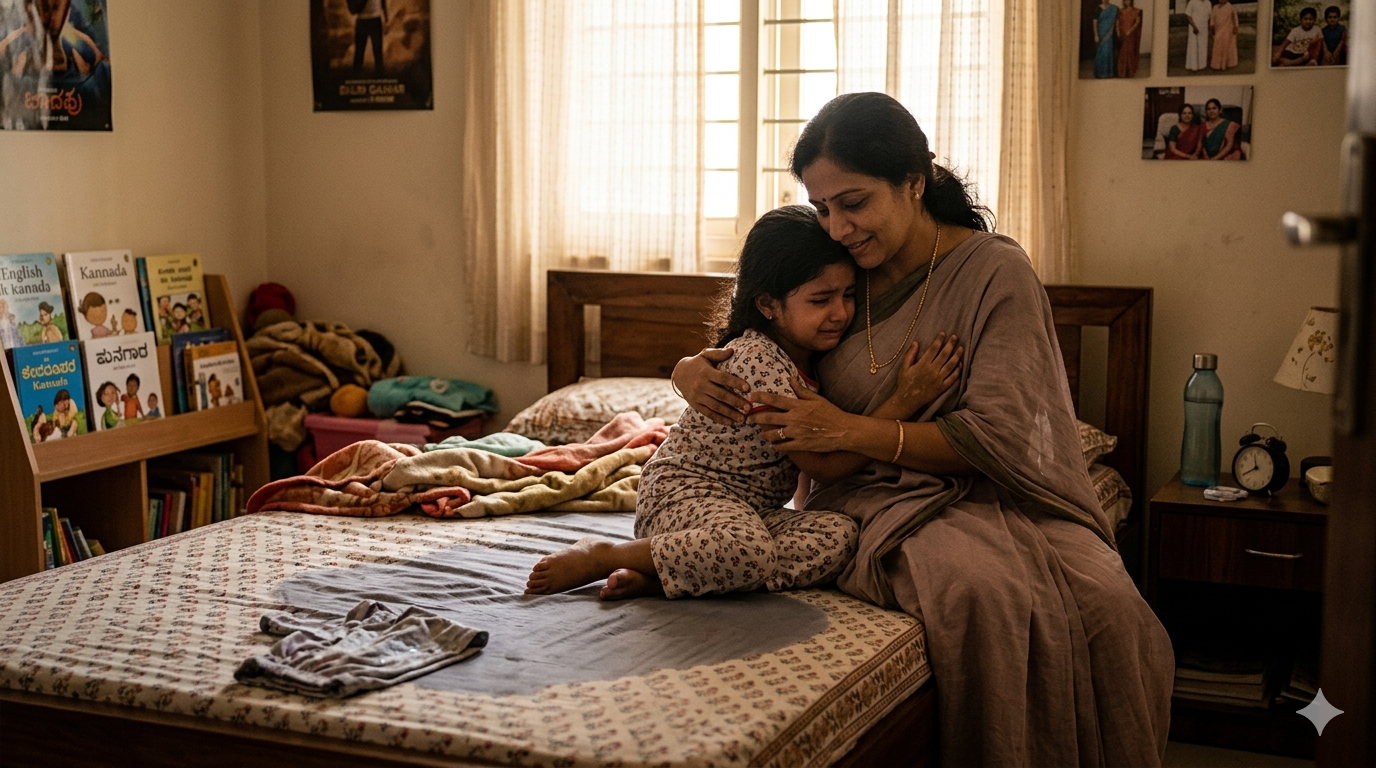
Bedwetting is one of the most misunderstood childhood conditions. Often dismissed as a phase, a behavioural issue, or something that will automatically stop with age. This assumption leads to years of silent suffering for children and teenagers. Medical evidence clearly shows that bedwetting is a treatable health condition, and waiting for puberty is not the solution many families believe it to be.
Bedwetting Beyond 6 Years Is Medical - Not Psychological
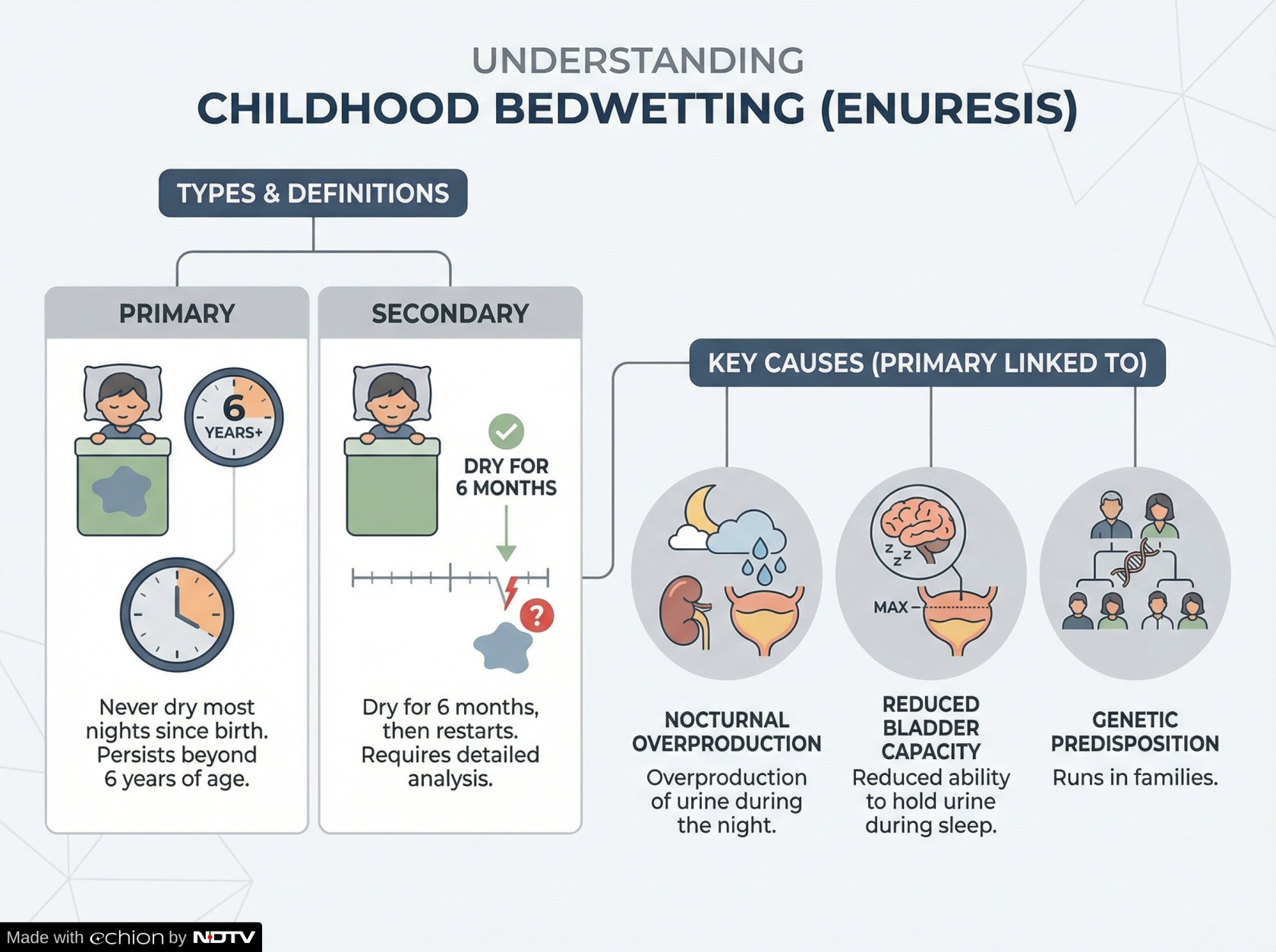
Medically known as nocturnal enuresis, bedwetting becomes clinically significant when a child older than six years continues to pass urine during sleep more than twice per week. Research indicates that most children naturally achieve nighttime bladder control by around this age. If it persists beyond six, it requires medical evaluation rather than reassurance alone.
One of the biggest misconceptions is that bedwetting is caused by emotional issues, fear, laziness, or deep sleep. These beliefs are myths. Bed wetting is not a psychological disorder. It is classified as primary and secondary bedwetting.
Primary bedwetting is considered when a child has never been dry most nights since birth and persists beyond 6 years of age. Secondary Bedwetting is diagnosed when a child has been dry at night for a period of 6 months and then starts bedwetting subsequently. This requires more detailed analysis than Primary bedwetting.
Bedwetting is primarily linked to factors such as:
- Overproduction of urine during the night
- Reduced bladder capacity to hold urine during sleep
- Genetic predisposition within families
Many children also experience daytime urinary urgency, frequent urination, or occasional daytime leakage, further confirming its medical basis rather than a behavioural problem.
Puberty Is Not a Cure
A widespread myth among families is that bedwetting will automatically stop when children enter puberty, especially in girls after the onset of menstruation. Medical evidence strongly refutes this belief. There is no scientific basis to assume that hormonal changes during puberty will resolve bedwetting.
Waiting for puberty often leads to years of untreated symptoms. Since no one can predict when bedwetting will stop on its own, delaying treatment unnecessarily prolongs distress and lowers the chances of early resolution.
Teenagers Face the Highest Emotional Impact
While bedwetting does not harm vital organs, its psychological impact can be profound, especially during adolescence. Teenagers between 13 and 15 years are often the most affected emotionally.
They commonly experience:
- Shame and embarrassment
- Avoidance of sleepovers, trips, and camps
- Fear of social exposure
- Reduced self-confidence
- Anxiety and depressive feelings
Many adolescents quietly manage the problem by hiding wet clothes, avoiding travel, and withdrawing socially, which can leave long-lasting scars on self-esteem.
Early Evaluation Leads to High Success Rates
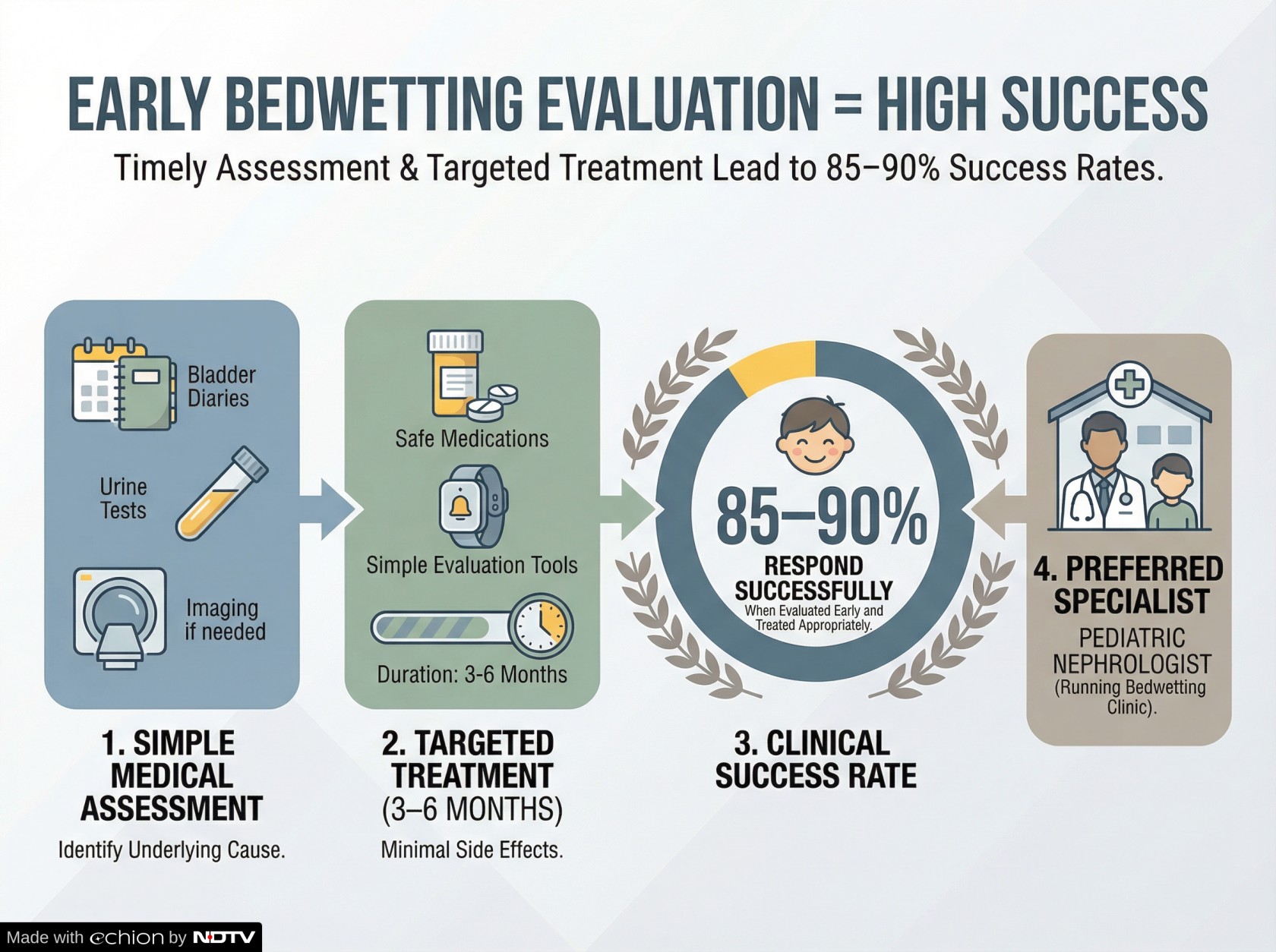
Bedwetting is highly treatable. With proper medical assessment, including bladder diaries, urine tests, and imaging when needed, doctors can identify the underlying cause and start targeted treatment.
Treatment typically involves:
- Simple evaluation tools
- Safe medications with minimal side effects
- A treatment period of about 3-6 months
Clinical experience shows that about 85-90% of children respond successfully when evaluated early and treated appropriately. Bed wetting is preferably treated by a paediatric nephrologist in a running bed wet clinic.
The professional treatment of bedwetting requires a pediatric nephrologist who works in a specialised bedwetting clinic. The availability of such specialised clinics is limited, which leads to parents who visit different medical specialists such as gynaecologists, hormone specialists, surgeons and adult urologists. The structured bedwetting clinic delivers its services to assess and treat bedwetting disorders which specifically affect children.
Every child with bed wetting who is above 6 years of age deserves a fair medical chance to get rid of this medical condition. If untreated, they go through severe psychological distress, which affects their childhood. The treatment should be obtained under the care of a paediatric nephrologist who is an expert.
(By Dr. Saumil Gaur, Consultant-Paediatrician and Paediatric Nephrologist, Rainbow Children's Hospital, Marathahalli)
Disclaimer: The opinions expressed within this article are the personal opinions of the author. NDTV is not responsible for the accuracy, completeness, suitability, or validity of any information on this article. All information is provided on an as-is basis. The information, facts or opinions appearing in the article do not reflect the views of NDTV and NDTV does not assume any responsibility or liability for the same.