

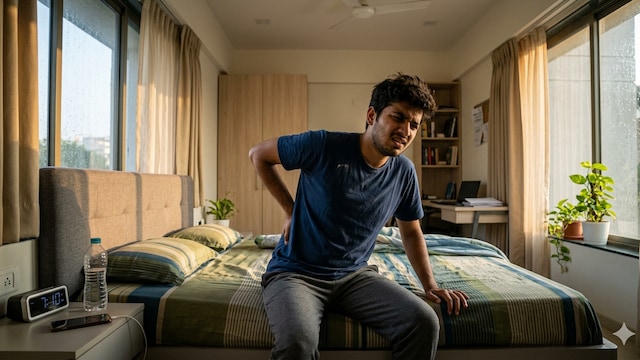
Persistent back pain is often attributed to poor posture, ageing, or muscle strain. However, in some cases, it may indicate an underlying spinal fracture caused by osteoporosis. This condition weakens bones, making them more fragile and vulnerable to fractures. A vertebral fracture occurs when one or more bones in the spine become compressed or collapse, sometimes following minor activities such as bending, lifting a light object, or coughing. '
Recognising the Warning Signs
Osteoporosis-related spinal fractures may develop without a major injury, and some cause little or no immediate pain. Warning signs include:
- Persistent or unexplained back pain, particularly if it begins suddenly after mild strain.
- Gradual loss of height over time.
- A stooped or rounded upper back, medically known as kyphosis.
- Pain that worsens while standing or walking and improves when lying down.
Back pain accompanied by these changes warrants medical evaluation. New or severe pain following a minor movement should not be dismissed, especially in older adults or those with known osteoporosis. New leg weakness, numbness, or changes in bladder or bowel control require urgent medical assessment.
Who Is at Greater Risk?
Osteoporosis can affect both women and men, although the risk increases with age. Postmenopausal women are particularly vulnerable because declining oestrogen levels accelerate bone loss. Other risk factors include a previous fragility fracture, low body weight, a family history of osteoporosis, smoking, excessive alcohol consumption, and long-term use of corticosteroids. Recognising these risks can help identify people who may benefit from earlier assessment.
Why Early Diagnosis Matters
A clinical assessment helps determine whether back pain may be related to a spinal fracture or another condition. Bone mineral density testing, usually performed through a dual-energy X-ray absorptiometry (DXA) scan, measures bone density and helps assess fracture risk. Depending on the symptoms, spinal X-rays or other imaging may also be required to identify fractures.
Early diagnosis allows treatment to address both the fracture and the underlying bone weakness, reducing the risk of further fractures and supporting mobility and independence.
Treatment Depends on the Cause and Severity
Treatment is tailored to the individual's condition and may include pain management, temporary bracing where appropriate, and physiotherapy to improve mobility, strength, and posture.
Osteoporosis medications help reduce fracture risk, while selected patients may benefit from medicines that stimulate bone formation. Procedures such as vertebroplasty or kyphoplasty may be considered in carefully selected cases when symptoms persist despite appropriate conservative treatment. Surgery is reserved for specific situations, depending on the fracture and its complications.
Building Stronger Bones Through Everyday Habits
Adequate calcium and vitamin D intake, regular weight-bearing exercise, strength training, and balance exercises support bone health and help reduce falls. Avoiding smoking, limiting alcohol, maintaining a balanced diet, and reviewing medicines that may affect bone strength with a doctor are equally important. Removing loose rugs, improving lighting, and installing support rails where needed can make homes safer.
Separating Common Myths From Facts
Back pain is not an inevitable part of ageing, osteoporosis is not exclusive to women, and bone loss cannot always be reversed, but it can often be slowed and fracture risk reduced with appropriate treatment. Persistent symptoms deserve attention rather than being accepted as a normal consequence of growing older. Protecting spinal health begins with recognising warning signs, assessing individual risk, and seeking timely medical care. Early intervention can help preserve mobility, reduce future fractures, and maintain quality of life.
(By Dr. (Prof.) Raju Vaishya, Senior Consultant Orthopaedic and Joint Replacement Surgeon, Indraprastha Apollo Hospitals)
Disclaimer: This content including advice provides generic information only. It is in no way a substitute for a qualified medical opinion. Always consult a specialist or your own doctor for more information. NDTV does not claim responsibility for this information.