

)
Edamame has taken centre stage in global diet trends for several reasons. As more people are moving away from highly processed foods, edamame fits perfectly into the "clean-label" trend. Celebrity endorsements have significantly contributed to its popularity. From Bollywood stars to fitness influencers, edamame has emerged as a common ingredient in various celebrity diet videos. Additionally, edamame has a low glycemic index and is an excellent source of plant-based protein and fibre, making it an ideal choice for weight loss. In recent years, edamame has been heavily marketed as a premium superfood just like blueberries and avocado. However, at its core, edamame is just a regular soybean harvested early, while the pod is still green and sweet.
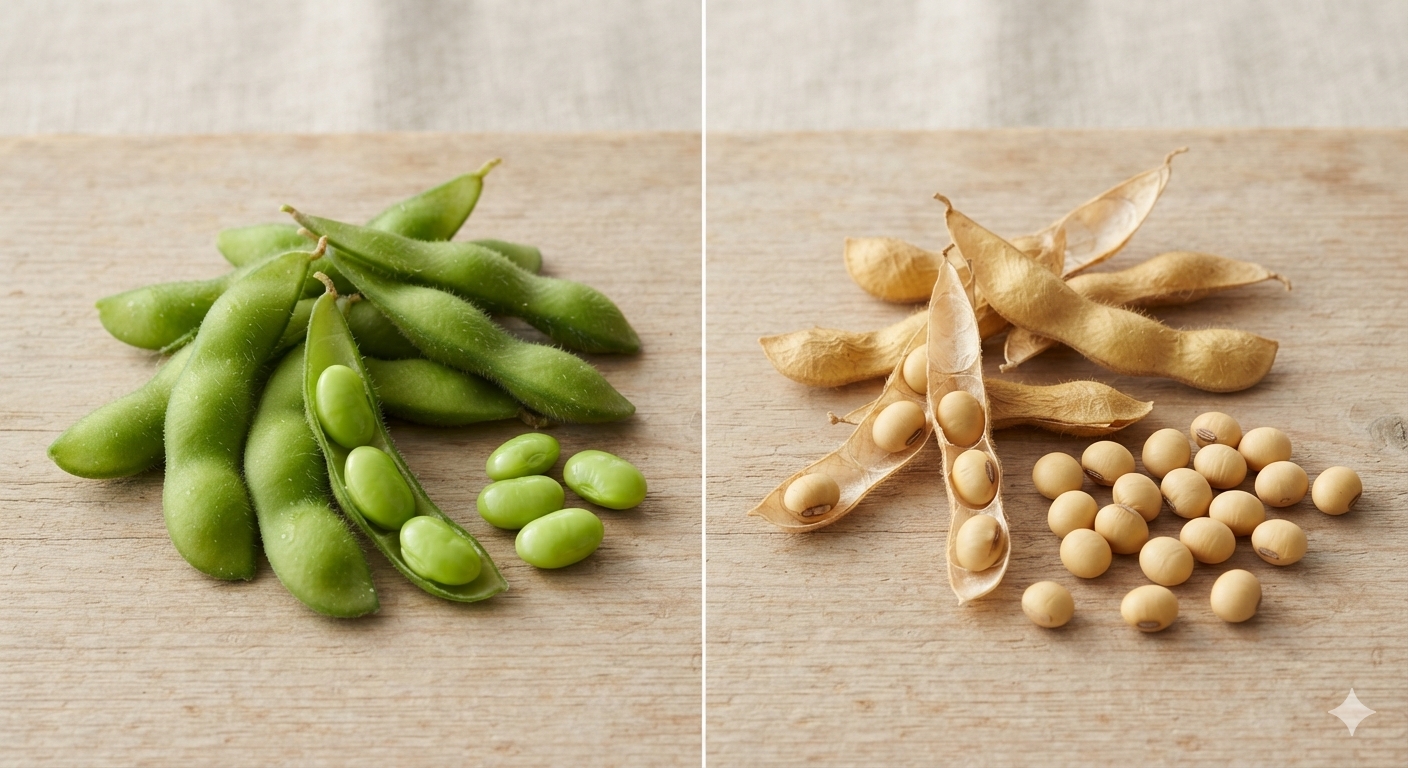
Edamame is immature soybean
Edamame is simply immature soybeans that are harvested before they fully ripen. Typically bright green and slightly sweet, it is often served in its pods. It requires minimal processing to be eaten fresh or frozen, unlike mature field soybeans, which must be heavily cooked and refined.
Edamame is harvested while the beans are still green and tender, typically when they are about 80% mature. After harvesting, they are usually steamed or boiled and can be served warm or cold. The beans can be enjoyed straight from the pod or added to various dishes. Since they are indeed immature soybeans, they have a different taste and texture compared to mature soybeans, which are typically processed into products like tofu, soy milk, or soy sauce.
By positioning edamame as an alternative to potato chips or processed protein bars, brands can match the pricing of premium health foods rather than the pricing of raw vegetables. Ultimately, it is a basic legume with a luxury label that offers great nutrition.
READ | Edamame Is More Than A Trendy Snack, Nutritionist Reveals Its Health Benefits
Edamame vs soybean: Is there any nutritional difference?
Edamame and mature soybeans do have some nutritional differences, primarily due to their stage of development and processing.
Edamame has more water and fresh vitamins, while mature soybeans are much denser in calories, protein, fat, and heavy minerals.
Here's a breakdown of their nutritional variations:
1. Protein content
Both edamame and mature soybeans are excellent sources of plant-based protein. However, soybeans tend to have a slightly higher protein content per serving due to their concentrated form. A serving of 100g of cooked edamame and soybean each contains around 11-12g and 19g of protein, respectively.
2. Fibre
Edamame and mature soybeans contain nearly identical amounts of dietary fibre per 100 grams, with edamame offering about 5.2 grams and cooked mature soybeans providing about 6.0 grams.
3. Fat
Mature soybeans generally have a higher fat content, especially healthy fats, compared to edamame. Edamame, being immature, contains less fat overall.
4. Vitamins and minerals
Edamame is higher in some vitamins, particularly vitamin C, vitamin A and folate, which are often diminished during the processing of mature soybeans. Edamame also retains more water-soluble nutrients due to its fresher nature.
On the other hand, dried and mature beans concentrate their nutrients, offering nearly double the fat, iron, and calcium by weight when cooked.
READ | Edamame: How The Japanese Bean Helps With Weight Loss
5. Glycemic index
Edamame has a low glycemic index, making it a great snack for those watching their blood sugar levels. While mature soybeans are also low, the processing they undergo can sometimes affect this.
6. Antioxidants
Edamame contains more antioxidants, which are beneficial in fighting free radicals in the body, while these may be reduced in processed soy products.
READ | Paneer To Edamame: Nutritionist Shares How She Gets 80g Protein A Day From A Vegetarian Diet
Which should you choose?
While both edamame and mature soybeans are nutritious, edamame offers distinct benefits due to its fresh, unprocessed state, making it a popular choice for those seeking wholesome snacks or meal additions. Choosing between the two depends entirely on how you want to eat them and your personal health goals.
For snacking, salads, and quick meals, choose edamame every time. It tastes far better and requires zero prep work. Save mature soybeans for when you are cooking extensive meals.
Disclaimer: This content including advice provides generic information only. It is in no way a substitute for a qualified medical opinion. Always consult a specialist or your own doctor for more information. NDTV does not claim responsibility for this information.