

)
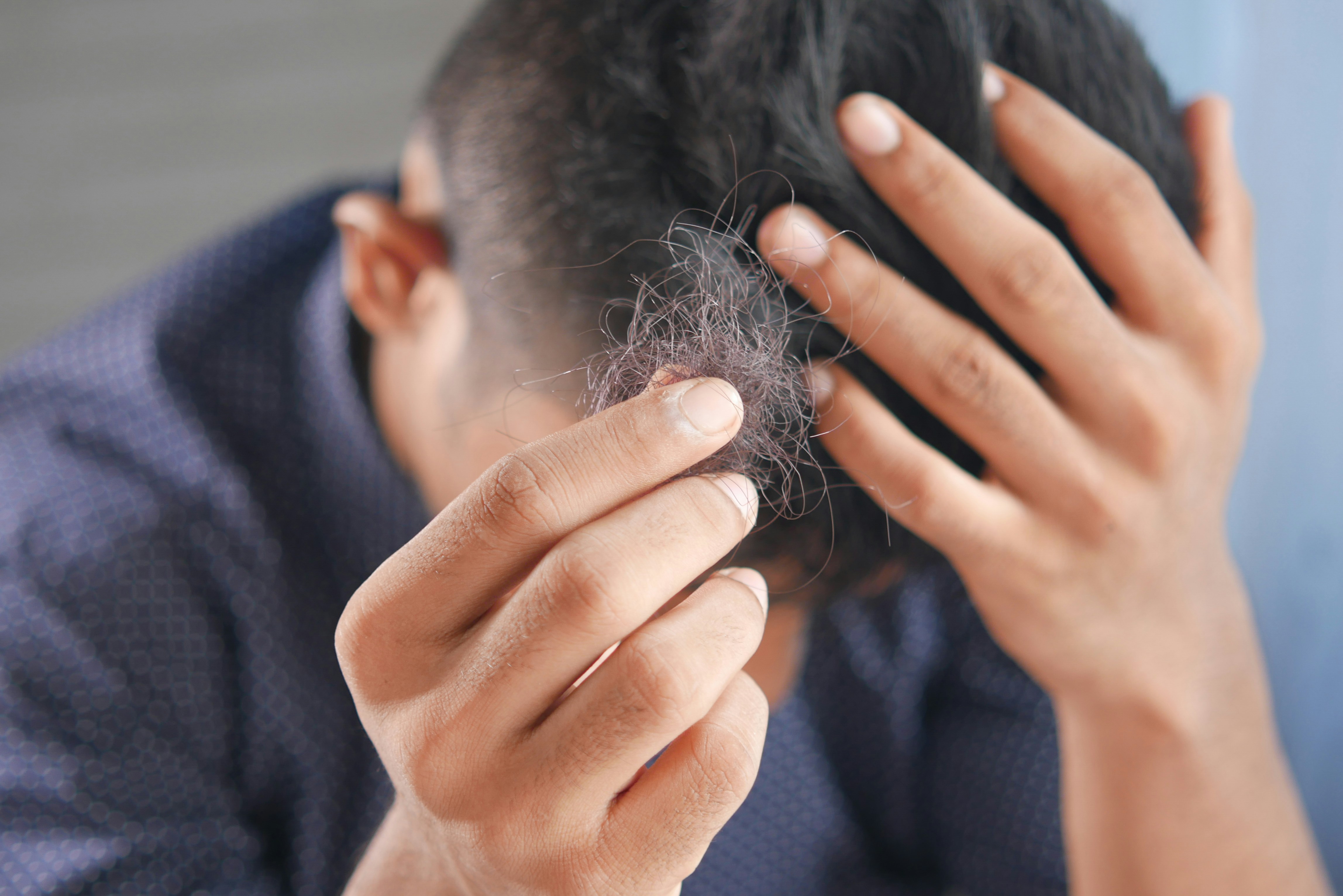
Your hair strands can naturally shed as you shower or use a hairbrush. This can be alarming, as most people tend to confuse hair shedding and hair loss. But they are both different, as one is a natural part of the hair growth cycle while the other is related to a biological cause. To make this distinction, you need to understand how your hair grows. Research published in the Journal of Clinical Medicine suggests that there are four phases involved in the hair growth cycle. These phases are each responsible for a particular function, starting from growth to shedding. Each of these stages can suffer from impairment when environmental, nutritional, or external injury ruins their normal functioning.
Understanding The Hair Growth Cycle
1. Anagen Phase (Growth Stage)
The hair growth stage lasts for 2-7 years, and it can vary based on genes, environment, and nutrition. The active growth period involves the most active stage on the scalp as it develops the small hairs that are noticeable when you shave your hair. The hair follicle produces hair in this phase, and those with long hair have the most active anagen phase.
2. Catagen Phase (Transition Stage)
The transition stage involves a slowdown of hair growth as the hair follicles shrink. Research published in the Journal of Clinical Medicine highlights that the hair needs extra care when it is in this phase.
3. Telogen Phase (Resting Stage)
This phase involves hair rest before normal shedding is initiated. It can last for several months as the hair needs to regrow after shedding.
4. Exogen Phase (Shedding Stage)
The exogen phase is for hair shedding, as old hairs need to fall out naturally and new hair needs to replace them. The hair shaft starts growing new hair underneath the old hair in this phase.
How Much Hair Shedding Is Considered Normal?
Hair shedding of about 50-100 hair strands daily is considered normal. And shedding can increase during seasonal changes, after an illness, after childbirth, or during periods of high stress. If the cause of an increase in hair shedding is temporary, then it can be reversed by doing hair care.
Signs That Suggest Hair Loss Rather Than Normal Hair Shedding
If you notice that your hair part is widening, you have a receding hairline, a thinning ponytail, a visible scalp, bald patches, or reduced hair density, then it points to hair loss. These signs need to be taken seriously as hair loss progresses over time.
Common Causes Of Excessive Hair Loss
An excessive amount of hair loss can occur when your body lacks the required nutrients, is undergoing hormonal changes, or has stress and/or an illness to deal with. Here is how each of these causes can affect your hair density:
Nutritional Deficiencies
- Iron deficiency
- Vitamin D deficiency
- Protein deficiency
- Zinc deficiency
Hormonal Changes
- Thyroid disorders
- Polycystic ovary syndrome
- Menopause
Stress And Illness
- Telogen effluvium
- Post-fever hair shedding
Genetics
- Male pattern hair loss
- Female pattern hair loss
Why Hair Shedding Often Increases After Illness Or Stress
Research published in the Journal of Dermatological Science highlights that physical or emotional stress can push your hair into the resting phase. This is termed 'telogen effluvium', wherein hair shedding often appears 2-3 months later.
The recovery from this phase can only happen when the trigger is addressed.
Hair Growth Cycle Changes With Age
Hair growth does alter with age as the hair growth becomes slower. This slowdown can make the normal hair growth cycle shorter, making hair strands finer and reducing hair density.
7 Tips To Support Healthy Hair Growth
Healthy hair growth can be supported if you follow these tips consistently:
1. Eat adequate protein daily.
2. Correct nutritional deficiencies
3. Manage stress
4. Prioritise sleep
5. Avoid excessive heat styling.
6. Use gentle hair care products.
7. Seek treatment early for persistent hair loss.
When Should You See A Dermatologist?
A dermatologist should be consulted when your hair shedding has turned into hair loss. Medical advice becomes necessary to stop the progression of hair loss, as it only increases if it is ignored.
If you notice these signs, then seek medical help:
- Sudden excessive hair shedding
- Bald patches
- Persistent hair thinning
- Scalp itching or inflammation
- Hair loss lasting more than a few months
Hair shedding is a natural part of the hair growth cycle. It becomes a problem when it turns into hair loss, wherein hair thinning or visible bald patches become visible.
Disclaimer: This content including advice provides generic information only. It is in no way a substitute for a qualified medical opinion. Always consult a specialist or your own doctor for more information. NDTV does not claim responsibility for this information.