

)
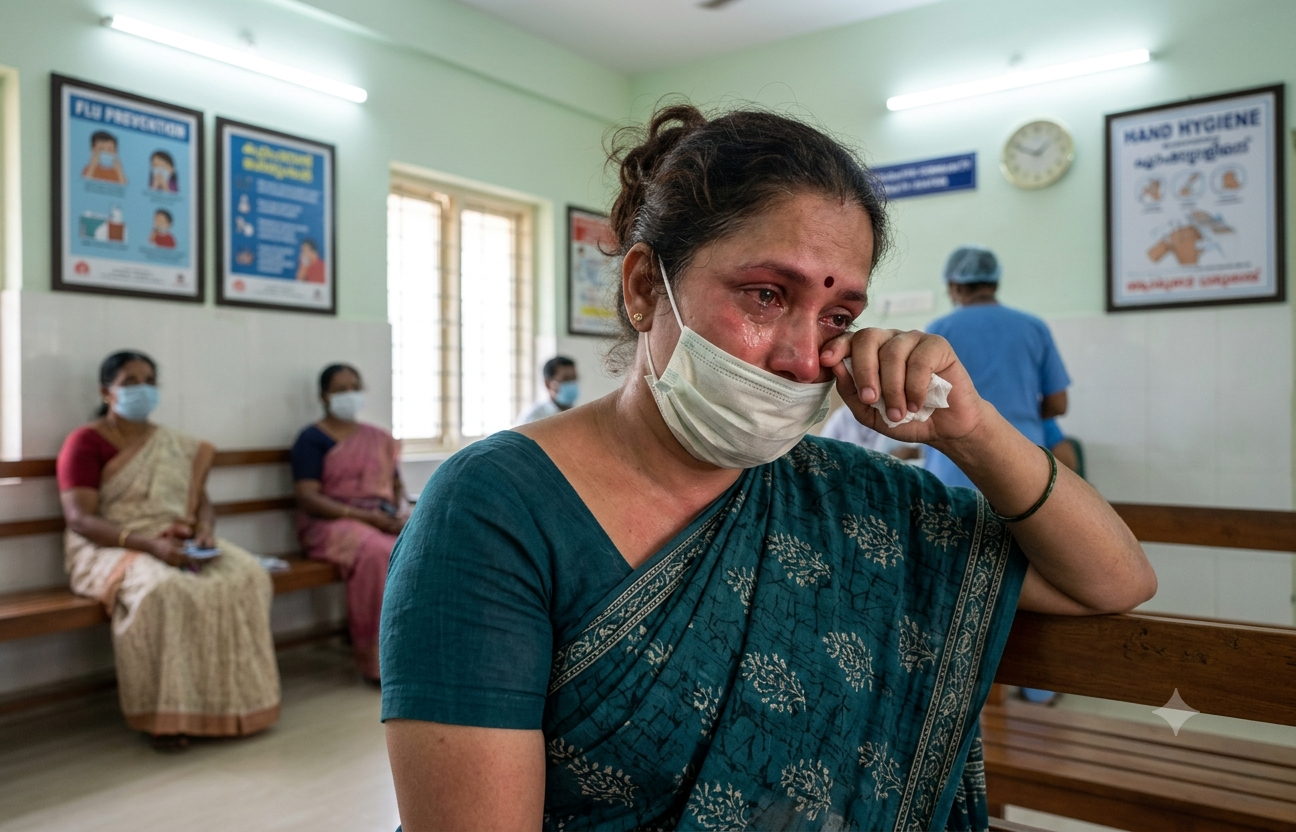
H1N1 virus cases are surging eight times higher than in 2025, causing concern among people. The typical symptoms of the H1N1 virus are fever, cough, sore throat, and body aches that can progress based on the severity of the virus. One of the most uncommon health complications from the H1N1 virus is the impact on your eyes. The effect on eye health can range from conjunctivitis, or pink eye, uveitis, optic neuritis, and retinal inflammation to rare neurological complications.
The Indian Journal of Ophthalmology has flagged these kinds of eye health complications after contracting the H1N1 virus, which need immediate medical attention for treatment. If these eye issues are not timely addressed, then their effect on your eyes can progress, and the treatment can become prolonged and difficult.
What Is H1N1 And How Does It Affect The Body?
The H1N1 virus, or swine flu, is a type of influenza that spreads inflammation throughout the body. The contagious respiratory infection is spreading in clusters in various Indian states as the seasonal conditions become favourable.
Can H1N1 Affect Your Eyes?
The virus tends to increase inflammation in the body, which also affects the eyes and causes inflammation-related issues. These effects on eye health can also happen due to immune-related inflammation, as it activates a response to counter the viral load in the body.
If any of these symptoms are experienced, then you should seek medical help:
- Eye pain
- Redness
- Swelling
- Blurred vision
- Sensitivity to light
- Eye irritation
- Watering
- Burning sensation
- Sudden vision loss
Rare Eye Complications Associated With H1N1
Your eyes could become impacted due to the H1N1 virus if the inflammation of your eye muscles, eyelid, centre part of your eye, or optic nerve is underway. The only way to stop its progression and reverse the primary symptoms is to seek medical help from an ophthalmologist.
Conjunctivitis (Pink Eye)
The H1N1 virus is a type of influenza A virus that can cause symptoms that can be ignored as a part of the viral response of the body. But it should be taken seriously, as your eyes are sensitive and need care as much as the rest of your body. These symptoms are as per the research published in the Microbiology and Molecular Biology Reviews:
- Redness
- Watery eyes
- Irritation
Uveitis
When the inflammatory response to an H1N1 virus affects the middle layer of the eye, it is termed 'uveitis'. Research published in the Ocular Immunology and Inflammation Journal has documented that symptoms that could indicate uveitis are:
- Blurred vision
- Light sensitivity
- Eye pain
- Floaters
Optic Neuritis
A possible health complication from the H1N1 virus is optic neuritis, which is the inflammation of the optic nerve. Research published in the Journal of Neuro-Ophthalmology mentions that this can happen when the immune system kicks its mechanisms to fight the viral load from the H1N1 viral infection.
- Sudden vision loss
- Blurred vision
- Reduced colour perception
- Eye pain on movement
Retinitis And Retinal Damage
A rare but possible eye health complication is inflammation of the retina, which can lead to symptoms like the following:
- Distorted vision
- Visual distortions
- Potential vision loss
- Blindspots
Neuro-Ophthalmic Complications
With your eyes, the brain can also become involved when the H1N1 virus multiplies at a fast pace in the body and doesn't receive any antibodies to activate pathways to fight it. These types of complications can cause the following:
- Eye movement abnormalities
- Double vision
- Cranial nerve involvement
Warning Signs That Require Immediate Medical Attention
The signs that an H1N1-infected patient has that indicate possible eye health complications are the following:
- Sudden blurred vision
- Double vision
- Eye pain
- Flashes of light
- Dark spots in vision
- Vision loss
- Severe headache with visual symptoms
Why Do These Eye Complications Occur?
The possible reasons behind why eye-health-related complications occur could be attributed to the following:
- Immune response causes inflammation as it works on reducing viral multiplication.
- Cytokine-related damage that happens as the body's immune system is under attack.
- Rare direct viral effects are possible in people with certain underlying vulnerabilities.
- Secondary infections due to a weakened immune system can increase chances of eye health issues.
How Are H1N1-Related Eye Problems Diagnosed?
The exact diagnosis of eye problems that are linked to the H1N1 virus depends on performing medical tests such as the following:
- Eye examination
- Retinal imaging
- Optical coherence tomography (OCT)
- Visual field testing
- Neurological evaluation if necessary
Treatment Options
The exact course of treatment for eye health complications depends on the severity and how much of the eye is affected. A combination of medications such as:
- Antiviral medications
- Corticosteroids when appropriate
- Treatment of underlying inflammation
- Ophthalmology follow-up when necessary
How To Reduce Your Risk Of H1N1 Complications
If you want to reduce your risk of H1N1 health complications that can even compromise your eye health, then you need to follow these tips:
- Annual flu vaccination
- Hand hygiene
- Mask use during outbreaks
- Early medical consultation
- Managing underlying conditions
H1N1 virus can affect your eyes due to inflammation that occurs in the body during the course of the infection cycle. In order to minimise your risk, you need to take precautions and seek timely medical advice when symptoms present themselves.
Also Read: H1N1 Alert: Family Members Falling Sick One-By-One? How To Break The Chain
Disclaimer: This content including advice provides generic information only. It is in no way a substitute for a qualified medical opinion. Always consult a specialist or your own doctor for more information. NDTV does not claim responsibility for this information.