

)
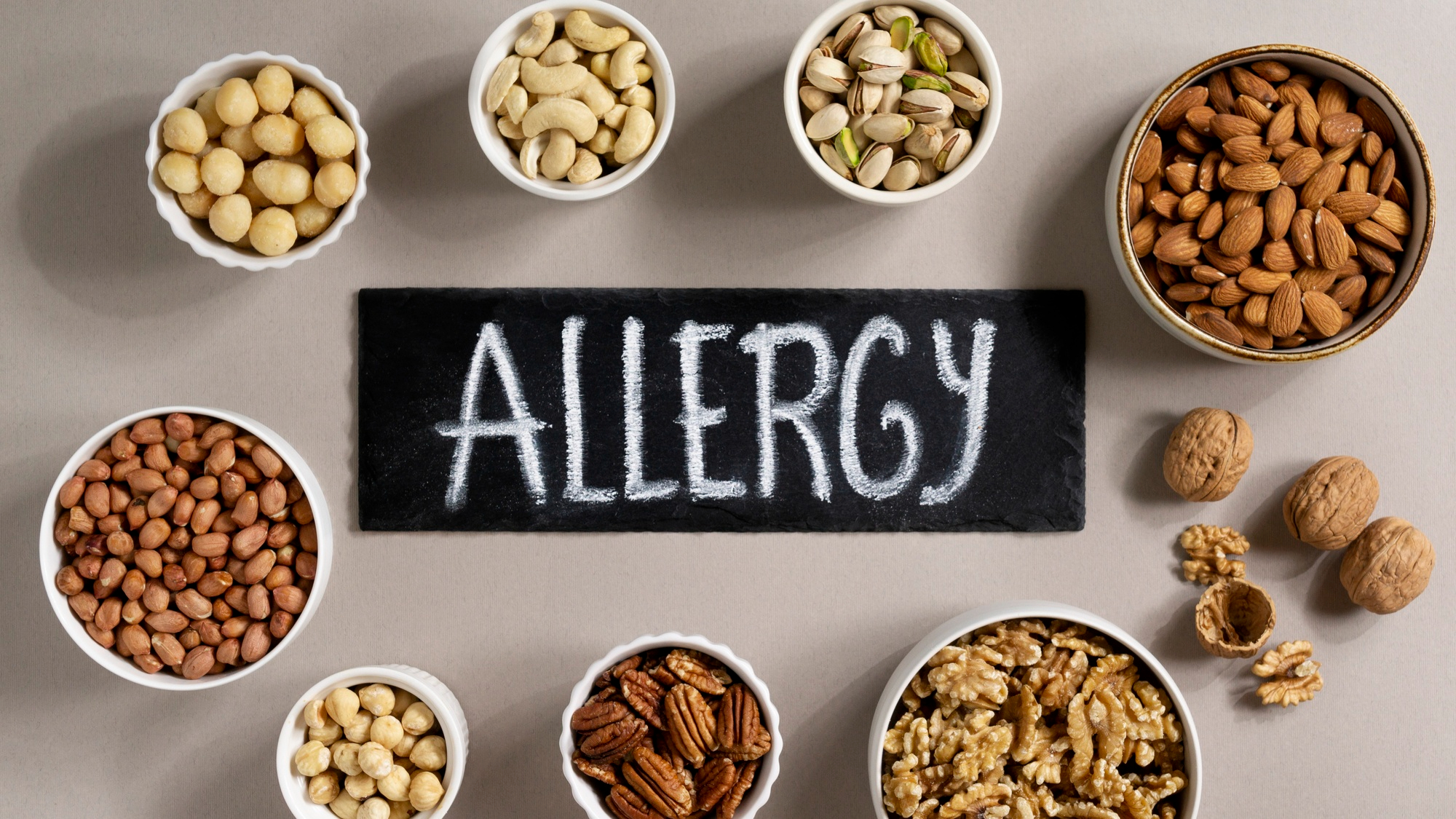
You may have noticed that your skin develops a sudden rash after eating peanut butter or a fussy tummy after consuming a bowl of kheer. The possible reason behind this may be a food allergy, as per a groundbreaking global study just released in JAMA Paediatrics (2026), which looked at nearly 3 million children, which has shifted the conversation from 'wait and see' to 'know the signs'. Food allergies aren't just about a swollen lip; they are an immune system overreaction that can affect growth, nutrition, and safety. This global study is a culmination of over 190 studies involving 2.8 million children; the starting risk, or pooled incidence, is approximately 4.7% (nearly 1 in 20 children) globally. Here is how to spot the early warning signs before they become a crisis.
5 Early Warning Signs Of Food Allergies That You Need To Know
1. The Skin Barrier Signal
The skin is often the first place a food allergy speaks. The new study highlights a massive link between skin health and food allergies, particularly through a process called the "atopic march". If your child's skin barrier is compromised, it acts as an open door for allergens. The warning signs are chronic eczema, hives (red welts), or unexplained itching immediately after eating. If there is high transepidermal water loss (leaky skin), then it is associated with a 3-fold increase in food allergy risk, according to the JAMA Paediatrics meta-analysis. Atopic dermatitis in the first year of life is a major red flag, often preceding a diagnosed food allergy by months.
2. Respiratory Symptoms (Wheezing And Congestion)
Many parents mistake allergy-induced breathing issues for a common cold. However, the study confirms that a history of wheezing or allergic rhinitis (a runny nose not caused by a virus) is a significant predictor that the body is primed for a food-based reaction. The warning signs are shortness of breath, repetitive coughing, or noisy breathing shortly after a meal. Children with a history of wheezing have twice the odds of developing food allergies, as noted in the recent review of 190 global studies. Respiratory symptoms are often part of a multi-system reaction; if paired with skin issues, it indicates a high IgE-mediated response.
3. The Late Introduction Lag
For years, parents have tended to delay 'risky' foods like peanuts. Modern science has completely flipped this. One of the strongest warning signs isn't a symptom but a timing issue: if high-allergy foods are missing from the diet past the first birthday, the risk skyrockets. The warning signs could be a sudden, severe reaction when introducing solids like peanuts or eggs for the first time after 12 months. The study found that introducing solids like peanuts after 12 months more than doubles the odds of an allergy. Early exposure (between 4 and 6 months) helps the immune system build tolerance rather than resistance.
Also Read: Having Skin Allergies During Pregnancy? Doctor Tells What's Normal And When To Worry
Food allergy
Photo Credit: Freepik
4. The Microbiome Disruptor
The gut is home to the immune system. If a child has had heavy antibiotic use in early life, their internal beneficial bacteria are often wiped out, making them hypersensitive to common proteins in food. The warning signs are new digestive sensitivities or skin flares following a course of systemic antibiotics. Systemic antibiotic use in the first month of life is associated with a staggering 4-fold increase in food allergy odds. Antibiotics before birth or in the first year alter the gut microbial markers, potentially driving the development of lifelong allergies.
5. Genetic And Migration Triggers
Sometimes the warning sign is in the family tree. The study emphasises that biology isn't destiny, but history matters. Interestingly, the study also found that migration patterns moving to a new environment before a child's birth can confuse the developing immune system. The warning signs could be increased sensitivity in children whose parents moved from rural to urban areas or across borders. A family history of allergies (especially from the mother) doubles the risk, while parental migration carries a 3-fold increase in odds. Environmental changes can alter the timing of allergen exposure, aggravating conditions like eczema and shifting the gut's defensive posture.
Also Read: Green Tea Allergy Is Real: Here's How To Tell If You Have It
Why Does It Matter To Indian Children?
This study matters to Indian children, especially their caretakers and parents as approximately 3% to 4.7% of Indian children are estimated to have a confirmed food allergy. This means that millions of children are impacted by food allergies, and due to this, they can also suffer from a lack of nutrients that may be present in the foods they are allergic to. Here are some other reasons that this study matters:
- Children in Indian metros are impacted at significantly higher rates than those in rural areas. The hygiene hypothesis suggests that urban children have a less diverse gut microbiome, making them 3 to 4 times more sensitive to food proteins.
- With high rates of self-medication and antibiotic use in India, infants given systemic antibiotics in their first month are showing 400% higher odds of developing food allergies.
- Allergies to staples like milk, wheat, and pulses (dal) are leading to stunted growth in impacted children because parents often remove these high-protein foods without finding safe, nutritionally dense replacements.
In short, the study published in JAMA Paediatrics is the largest of its kind, looking at 2.8 million children across 40 countries. The bottom line is this: food allergies are multifactorial, meaning they aren't caused by just one thing. It's a mix of your skin health (the barrier), your family history, and how early you are exposed to different foods and medicines. Most importantly, it found that breastfeeding and birth weight did not significantly change allergy risk, shifting the focus toward skin care and early food introduction as the real keys to prevention.
Disclaimer: This content, including advice, provides generic information only. It is in no way a substitute for a qualified medical opinion. Always consult a specialist or your own doctor for more information. NDTV does not claim responsibility for this information.