

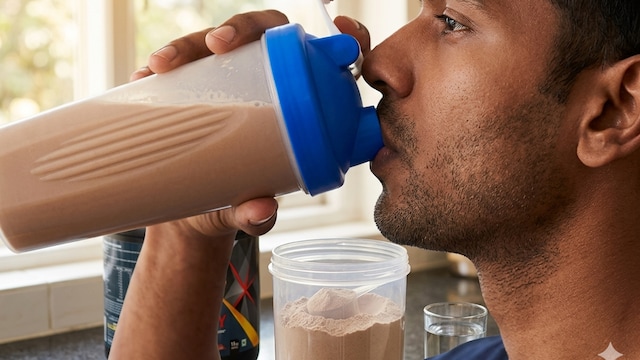
Whey protein is a popular supplement among gym-goers and athletes looking to build muscle, improve strength and recover after exercise. But one question often comes up after a workout: should you mix your whey protein with milk or water? Both options can help you meet your daily protein requirements, but they differ in their nutritional value, calorie content, digestion and suitability for different fitness goals. While water keeps the shake light, milk adds protein and other essential nutrients that can support muscle growth and recovery. According to Dr Niraj Kumar, Senior Consultant, Internal Medicine, ShardaCare - Healthcity, the choice depends on an individual's fitness goals, nutritional requirements and digestive tolerance. Importantly, neither option is universally better. Your total daily protein intake, diet, exercise routine and recovery habits play a more significant role in determining your results.
Whey Protein With Water: Is It Better For Weight Loss?
Mixing whey protein with water is a convenient way to increase protein intake without adding extra calories from milk. This can be particularly useful for people trying to lose body fat while maintaining muscle mass. Water also makes the shake lighter, which some people may find more comfortable to consume immediately after an intense workout. Another advantage is that water contains no additional carbohydrates, fats or protein. This makes it easier to track calorie intake, especially for people following a calorie-controlled diet. Dr Kumar explains that water can be a practical choice for individuals looking to increase protein intake without significantly increasing their overall calorie consumption. However, digestion also depends on the type of whey protein used. Whey protein isolate generally contains less lactose than whey concentrate, although the exact amount varies by product. People with lactose intolerance may therefore tolerate some protein powders better than others, regardless of whether they are mixed with water. Who should consider whey protein with water?
- People trying to lose body fat while preserving muscle.
- Those who want to avoid additional calories from milk.
- Individuals who prefer a lighter post-workout drink.
- People who find milk-based shakes uncomfortable or difficult to digest.
Whey Protein With Milk: Does It Help Build More Muscle?
Mixing whey protein with milk provides additional nutrients that may be useful for people looking to build muscle or increase their daily calorie intake. Milk contains two high-quality proteins: whey and casein. Whey is digested relatively quickly, while casein is digested more slowly. Both provide essential amino acids that the body uses for muscle repair and growth. When you add milk to a whey protein shake, you increase its overall protein content. Milk also provides carbohydrates, calcium and other nutrients, depending on the type you choose. The additional calories can be beneficial for people trying to gain muscle mass, particularly when combined with a suitable strength-training programme and sufficient overall energy intake. However, drinking whey protein with milk does not automatically lead to greater muscle growth than drinking it with water. The extra protein is useful only in the context of your overall nutritional requirements. Milk may also cause bloating, gas or digestive discomfort in people with lactose intolerance. Lactose-free milk can be an alternative for those who want the nutritional benefits of milk without the same lactose-related concerns.
Who should consider whey protein with milk?
- People aiming to increase their daily protein intake.
- Individuals trying to gain muscle mass and meet higher calorie requirements.
- Those who need a more filling protein shake.
- People who tolerate milk comfortably and want additional nutrients.
Which Is Better For Post-Workout Recovery?
After strength training, your muscles need adequate protein to repair and adapt to exercise. Both whey protein mixed with water and whey protein mixed with milk can provide the amino acids required for this process. The key consideration is how much protein you consume across the day, rather than the liquid used to mix your shake.For people who struggle to meet their protein requirements through meals, milk can help increase protein intake. Water, meanwhile, allows them to obtain protein from the powder without adding calories from another ingredient. It is also important to remember that muscle recovery involves more than protein supplementation. Adequate carbohydrate intake, hydration, sleep and sufficient time between demanding training sessions all contribute to recovery and performance. You do not necessarily need to consume a protein shake immediately after your final repetition. Eating a protein-rich meal or having a shake within a reasonable period around your workout can help you meet your daily requirements.
How Much Whey Protein Do You Need For Muscle Growth?
Protein requirements vary according to body weight, age, activity levels, training intensity and individual health needs. For healthy adults who regularly engage in exercise, a daily intake of approximately 1.4 to 2.0 grams of protein per kilogram of body weight is commonly recommended for building and maintaining muscle. People undertaking resistance training may benefit from aiming towards the higher end of this range, depending on their goals and overall diet. For example, a person weighing 80 kg who trains regularly may require approximately 112 to 160 grams of protein per day. This includes protein from meals, snacks and supplements. Whey protein is a convenient way to meet this target, but it is not essential if you already obtain sufficient protein from foods such as eggs, fish, chicken, dairy products, soy, pulses and other protein-rich sources.
People with kidney disease or other conditions that require dietary protein restrictions should seek individualised advice from their healthcare professional before increasing their protein intake.
The Verdict: Should You Mix Whey Protein With Milk Or Water?
According to Dr Niraj Kumar, the choice should be guided by individual fitness goals, calorie requirements and digestive comfort. If your primary goal is to lose body fat while maintaining muscle, whey protein with water can be a practical option because it adds fewer calories. If you are trying to gain muscle and need additional protein and energy, mixing whey protein with milk can help you meet those requirements. Neither option has an automatic advantage for muscle growth. Consistent strength training, adequate daily protein, an appropriate calorie intake and sufficient sleep matter more than whether you mix your whey protein with milk or water. Ultimately, choose the option that fits your nutritional goals and that you can comfortably incorporate into your everyday routine.
Disclaimer: This content including advice provides generic information only. It is in no way a substitute for a qualified medical opinion. Always consult a specialist or your own doctor for more information. NDTV does not claim responsibility for this information.