

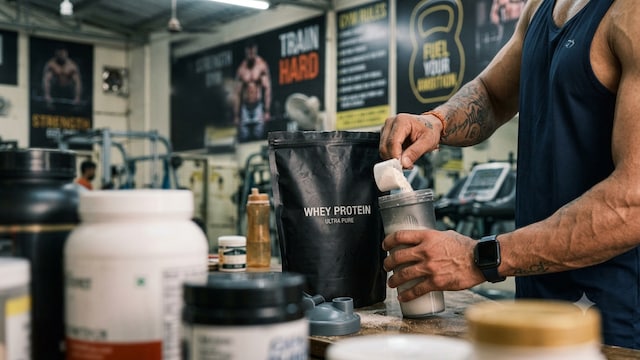
Somewhere between the gym becoming a lifestyle and supplements becoming a grocery item, the conversation about what all of this does to the heart got lost. Young, fit-looking people are showing up in cardiology clinics with arrhythmias and elevated troponins. They train hard, eat their protein, and do everything the fitness influencers told them to do. And yet.
The exercise is rarely the problem. What surrounds it often is.
The Stimulant Load
Pick up almost any pre-workout tub and read the back. The caffeine numbers are striking. Research found that pre-workout supplements typically carry between 188 mg and 300 mg of caffeine per scoop. Pair that with an energy drink and the safe threshold disappears quickly. The same study made no attempt to soften this: the combination pushes intake into genuinely dangerous territory.
Caffeine at those doses behaves differently from a morning cup of coffee. It hijacks the sympathetic nervous system, sends blood pressure upward, and unsettles the electrical signals the heart relies on to maintain its rhythm. For someone with an undetected structural vulnerability (and plenty of young people have one without knowing it), this is a serious problem. An ICMR multicentric case-control study found that people who had engaged in vigorous physical activity in the 48 hours before sudden unexplained death were more likely to experience that outcome than those who had not. The gym session is only one variable in that equation.
What Is Actually Lies Inside the Packaging
This is where things get uncomfortable. A 2024 investigation tested 36 widely available protein products sold in India and found:
- 75% contained lead
- 27.8% contained cadmium
- 13.9% tested positive for aflatoxins, a fungal toxin with no place in a fitness product
Lead and cadmium damage the endothelial lining of blood vessels and accelerate arterial stiffness, doing so gradually enough that nothing obvious triggers an alarm until something more serious does. The same research found taurine-based nitrogen spiking in 89% of pharmaceutical-branded products, against 12.5% of nutraceutical brands, a practice of inflating apparent protein readings while the body receives far less. Earlier work from the same group showed that most supplements on the Indian market did not meet their stated protein content, with major brands also carrying fungal toxins and pesticide residues.
The person buying a premium tub assumes quality control happened somewhere along the way. Frequently, it did not.
The Diet Problem Underneath
Before the gym bag gets packed each morning, most people are already behind. Research reports show that puts 56.4% of India's total disease burden down to unhealthy diets, a figure that also features in the Economic Survey 2023-24. Placing poorly regulated supplements on top of an already fragile nutritional base is not optimisation. It adds strain to a system that is already stretched.
READ | 22-Year-Old Suffers Stroke After Consuming High-Caffeine Pre-Workout: Doctor Explains What Happened
What the Evidence Recommends
India's 2024 Dietary Guidelines from ICMR-NIN cut through the noise fairly directly. The official position: "avoid protein supplements to build muscle mass". The accompanying public booklet goes further, stating plainly that "protein powders are unnecessary for normal healthy life" and warning that prolonged indiscriminate use affects health. This is not a fringe view. It comes from ICMR-NIN, the apex nutrition research body in the country.
Whole-food protein drawn from pulses, cereals, dairy, and lean sources is what the evidence actually supports. That same evidence shows healthy diets alongside physical activity can substantially reduce coronary heart disease and hypertension, and prevent up to 80% of type 2 diabetes. The results from getting this right are not modest.
READ | Does Itching From Pre-Workout Supplements Harm Your Skin? Here's What You Need to Know
Where the Opportunity Lies
FSSAI has already moved to instruct e-commerce platforms to strip "Health Drink" and "Energy Drink" labels from products that have no legal basis for carrying them. It signals intent. Mandatory third-party testing and enforceable labelling standards, backed by sustained collaboration between regulators and the fitness industry, represent the more significant step still to come. The protein supplement market is heading toward 13.4% annual growth through 2030. Handled well, that is an opportunity to build a supplement industry that actually delivers what it promises.
India's fitness culture is worth encouraging. The question now is whether the products being sold inside it earn the trust that culture has created. The data says they are not there yet. The regulatory and clinical tools to change that are already in motion.
(By Varsha Gorey, Senior Clinical Dietitian, Head of the Department (HOD) - Dietetics, Apollo Hospitals, Navi Mumbai)
Disclaimer: The opinions expressed within this article are the personal opinions of the author. NDTV is not responsible for the accuracy, completeness, suitability, or validity of any information on this article. All information is provided on an as-is basis. The information, facts or opinions appearing in the article do not reflect the views of NDTV and NDTV does not assume any responsibility or liability for the same.