

Eye and foot massagers have become popular wellness accessories, offering a convenient way to unwind after a long day. From heated eye masks marketed for screen-related fatigue to electric foot massagers promising relief after hours of standing, these devices are increasingly finding a place in Indian homes. Their appeal is understandable: prolonged screen time, sedentary work, long commutes and standing for extended periods can leave people feeling physically exhausted.
However, while these devices may provide temporary comfort, their health benefits depend on how they work, the symptoms they are intended to relieve and the user's underlying health. A relaxing massage is not necessarily a medical treatment, and claims about improving eyesight, treating circulation problems or addressing persistent pain need to be examined carefully.
"Eye and foot massagers are increasingly popular as people look for convenient ways to relieve stress, tiredness and muscle discomfort. While these devices can offer genuine relaxation and temporary symptom relief, their benefits should not be confused with treating an underlying medical condition," says Dr Niraj Kumar, Senior Consultant, Internal Medicine, ShardaCare - Healthcity.
So, are eye and foot massagers worth using, and who should be careful with them? Understanding their potential benefits and limitations can help consumers make informed decisions.
Eye Massagers: Can They Relieve Screen Fatigue?
Eye massagers typically use warmth, gentle vibration or air pressure to stimulate the area around the eyes. Some combine these features, while others function primarily as heated eye masks.
For people who spend hours working on computers or looking at smartphones, these devices may offer a relaxing break. Gentle warmth and massage may temporarily ease the sensation of tension around the eyes, although they do not necessarily address the cause of eye strain.
Screen-related discomfort can also result from reduced blinking, prolonged near work, glare, uncorrected vision problems or dry eyes. Taking regular breaks, consciously blinking and addressing screen ergonomics remain important measures.
Dr Kumar explains that the benefits of commercial eye massagers vary. Although some devices may help users feel more relaxed, there is limited evidence that eye massagers as a category directly improve eyesight, prevent eye diseases or permanently reduce dark circles and puffiness.
Warm compresses have a more established role in managing certain eyelid conditions. According to the American Academy of Ophthalmology, they may help soften oils produced by the meibomian glands in the eyelids, which contribute to the protective oily layer of tears. Warm compresses and eyelid hygiene may therefore be recommended for some people with meibomian gland dysfunction and associated dry-eye symptoms.
However, this does not mean every heated eye massager offers the same benefits as a properly used warm compress or a treatment recommended by an ophthalmologist. Device design, temperature and pressure matter, and research on individual products cannot automatically be applied to all models.
READ | Reflexology Explained: Why Pressing Your Feet Relaxes Your Mind
Who Should Avoid Eye Massagers?
People with glaucoma, retinal problems, recent eye surgery or other diagnosed eye conditions should consult an ophthalmologist before using these devices, particularly those that apply pressure to the eyes.
Excessive pressure or heat may be unsuitable for certain conditions, and a consumer device should never replace prescribed eye drops or professional treatment.
Persistent redness, pain, blurred vision, sensitivity to light or ongoing eye discomfort warrants medical assessment rather than repeated use of a massager.
Foot Massagers: Relief For Tired Feet Or More?
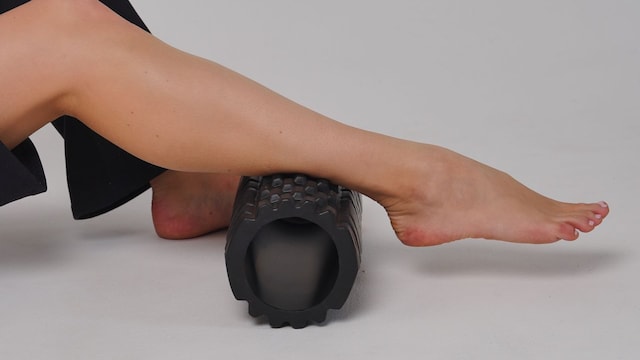
Foot massagers use kneading, rolling, vibration or heat to stimulate the muscles and soft tissues. They may help relieve the sensation of tiredness and muscle tightness after prolonged walking, standing or physical activity.
For many Indians, this may be particularly relevant after long working hours, extended commutes or jobs that require standing for much of the day. A gentle foot massage can provide short-term comfort and relaxation, making it a useful addition to a personal wellness routine.
However, temporary relief should not be mistaken for improved circulation or treatment of a medical condition.
"Foot massagers work by stimulating the muscles and soft tissues through kneading, vibration, rolling or heat. They may help relieve tired feet, reduce the sensation of muscle tightness and promote short-term relaxation," says Dr Kumar.
He adds that gentle foot massage may improve comfort after prolonged standing or walking, but it should not be considered a treatment for persistent swelling, nerve damage or circulation disorders.
Foot pain can have several causes, including unsuitable footwear, muscle strain, arthritis, nerve problems or vascular disease. Swelling may also be associated with underlying medical conditions that require investigation. Depending on the cause, a massager may provide little benefit and could be inappropriate.
Persistent pain, unexplained swelling, burning, tingling or numbness should therefore be evaluated by a healthcare professional rather than managed solely with massage.
Why People With Diabetes Need Extra Caution
One of the most important safety considerations concerns people with diabetes. Over time, diabetes can damage peripheral nerves, reducing the ability to feel pain, pressure or changes in temperature. Poor circulation can further increase the risk of foot injuries and delayed wound healing.
A heated foot massager may cause burns if a person cannot accurately sense how hot the device is. Pressure and friction can also aggravate an existing wound or an area of vulnerable skin without the user immediately noticing.
Dr Kumar advises people with diabetes, reduced sensation in their feet, poor circulation, open wounds or suspected blood clots to seek medical advice before using foot massagers, particularly heated models.
People with diabetes should inspect their feet regularly and seek prompt medical advice for redness, swelling, sores, cracks or new pain. Guidance from the US National Institute of Diabetes and Digestive and Kidney Diseases also cautions against heating pads and hot-water bottles on diabetic feet because of the risk of burns.
READ | How To Reduce Inflammation In Your Face: Natural Methods That Won't Fail
How To Use Eye And Foot Massagers Safely
These devices are best viewed as wellness accessories, not substitutes for medical treatment. Dr Kumar recommends following the manufacturer's instructions, avoiding excessive pressure or heat, and stopping use if pain, numbness or irritation develops.
Choose a device with adjustable intensity and temperature settings, and begin with the gentlest setting. Avoid using a massager over injured, inflamed or broken skin. Do not use an eye massager that presses directly on the eyeballs unless an eye specialist has specifically advised its use.
People with diagnosed eye conditions, diabetes, nerve damage or circulation problems should seek individual medical advice before using these products. Sudden foot swelling, particularly when accompanied by pain, warmth or redness, requires prompt medical evaluation; suspected blood clots should not be treated with massage.
Eye and foot massagers can offer a convenient way to relax and may temporarily relieve certain forms of discomfort. However, evidence for their benefits varies by device and intended use, and they cannot reliably improve eyesight, eliminate dark circles, treat nerve damage or resolve circulation disorders.
As Dr Kumar emphasises, persistent eye discomfort or foot pain requires medical evaluation rather than reliance on massage devices. The most useful approach is to treat these products as optional wellness tools, use them cautiously and seek appropriate care when symptoms persist or suggest an underlying condition.
Disclaimer: This content including advice provides generic information only. It is in no way a substitute for a qualified medical opinion. Always consult a specialist or your own doctor for more information. NDTV does not claim responsibility for this information.