

)
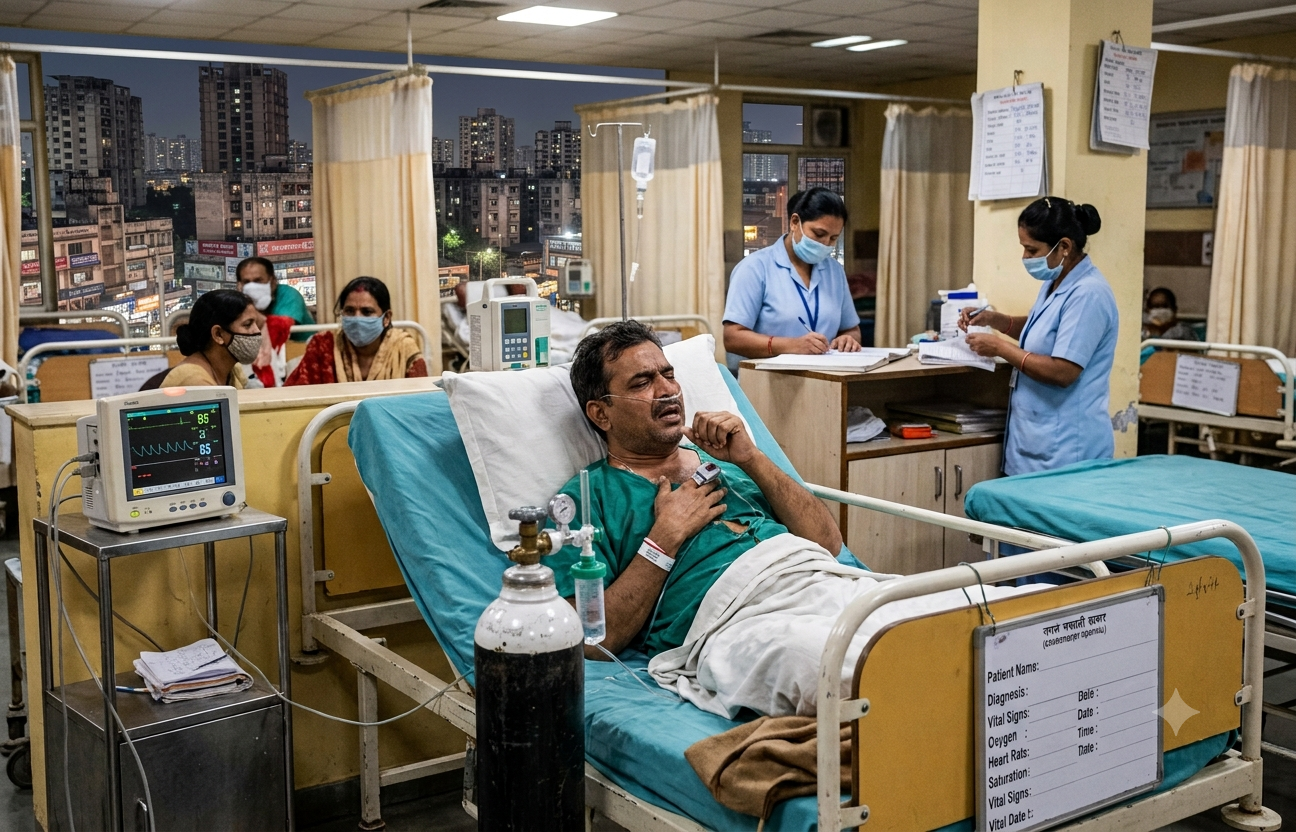
Many states in India have recorded a rise in H1N1 cases, raising concerns about potential health complications from the viral infection. This is especially true for those who are older, young children, pregnant, or dealing with chronic illnesses, as their immunity is already compromised. One such health complication that may arise after contracting a H1N1 viral infection is bacterial pneumonia, which is serious because the respiratory system is involved. While some people may recover from the flu, they can develop a secondary bacterial infection as their respiratory tract has been damaged and bacterial strains have infiltrated their system. Namely, bacterial strains such as Streptococcus pneumoniae, Staphylococcus aureus, and Haemophilus influenzae can become the cause of secondary bacterial pneumonia and can be identified through their warning signs that may occur.
What Is Secondary Bacterial Pneumonia?
Secondary bacterial pneumonia refers to the influenza strain (H1N1) damaging the respiratory tract and making it weaker. This causes bacteria to enter the lungs after the influenza has taken hold of the host. It presents itself with warning signs such as:
- The fever returning after improvement.
- Productive cough with mucus
- Chest pain
- Shortness of breath
According to the Lancet Journal, only 20-30% of H1N1 cases result in bacterial infections and turn into severe cases if timely medical treatment is not provided.
Why Does Bacterial Pneumonia Occur After H1N1 Infection?
The H1N1 viral infection tends to weaken the lungs' natural defense system and make it easier for common bacteria to enter the nose and throat and cause issues with the lower respiratory tract, resulting in secondary infection.
The virus is responsible for damaging epithelial cells that are present in the airways and lungs, and these cells are also crucial for acting as a physical barrier that traps bacteria. A review in the Clinical Microbiology Journal suggests that H1N1 creates microscopic openings in the lung's protective lining, causing bacteria to enter the lungs.
7 Warning Signs of Secondary Bacterial Pneumonia After H1N1
Research published in the BMC Infectious Diseases Journal suggests that a secondary bacterial infection could be identified in about 23% of H1N1 cases. Among those who are hospitalized, about 19% of cases were due to a secondary bacterial infection.
1. Fever Returns After Initial Recovery
One of the warning signs of secondary bacterial pneumonia is fever returning after initial recovery has been seen as the infection is still present in the body. The International Journal of Infectious Disease has pinpointed that temperature may rise to 38.5 degree C (101.3 degree F) or higher and may recur after a normal temperature for a few days.
2. New or Worsening Cough
Another warning sign is a new or worsening cough that produces a yellow, green, or blood-streaked mucus. The mucus color change is due to bacterial pneumonia causing pus, immune cells, and cellular debris to get trapped in airways, changing the appearance of normal mucus.
3. Shortness of Breath
If you happen to experience shortness of breath while performing routine activities such as climbing stairs, feeling unable to take a deep breath, or feeling breathless while walking, then your respiratory system is compromised.
4. Chest Pain
A sharp pain experienced while taking deep breaths is a sign of possible tissue surrounding the lungs becoming damaged.
5. Extreme Fatigue
Extreme fatigue is another sign that the flu has depleted energy levels due to possible inflammation and reduced oxygen delivery. When your exhaustion is much more severe than it usually is after a viral infection, then it is a cause of concern.
6. Oxygen Levels Start Falling
The oxygen levels in the body can start falling, which can be measured using an oximeter, and it is accompanied by mucus. accompanied by breathlessness. The main reason behind this is the inflammation and fluid buildup in the lungs, which prevents the airways from transferring oxygen into the air sacs of the lungs.
7. Confusion or Dizziness
A state of confusion can be seen in older adults post-H1N1, as low oxygen levels, fever, and infection have affected the brain. In such a case, timely medical treatment is necessary to control the secondary infection stage before it becomes uncontrollable.
How Is It Different From Normal H1N1 Recovery?
The difference between normal H1N1 recovery and a secondary pneumonia infection is in the symptoms that present themselves.
Normal Recovery
In the stage of normal recovery from H1N1, you could see the following signs:
- Gradual improvement
- Fever settles
- Energy slowly returns
Possible Secondary Bacterial Pneumonia
In this type of co-infection, the warning signs could be
- Symptoms worsen again
- Fever returns
- Breathing difficulty develops
Who Is Most At Risk?
The risk of secondary infection is far greater for people who are immunocompromised and those dealing with medical conditions that may increase their chances of health complications. These high-risk groups include:
- Older adults
- Children under 5
- Pregnancy settles
- People with asthma
- Diabetes patients
- Heart disease patients
- Immunocompromise individuals
When Should You See A Doctor?
You need to consult a doctor if any the following red flag symptoms are being experienced:
- Breathlessness
- High fever returning
- Chest pain
- Low oxygen levels
- Blue lips
- Confusion
When Should I Seek Emergency Care for Pneumonia After H1N1?
Yes, as a secondary infection could turn serious, don't wait; if you are experiencing symptoms, then seek a doctor consultation to be safe.
How Is Secondary Bacterial Pneumonia Diagnosed?
The diagnosis of secondary bacterial pneumonia can be given only after a pulmonologist has performed the following medical tests:
- Physical examination
- Chest X-ray
- Oxygen measurement
- Blood tests
- Sputum testing
Can Secondary Bacterial Pneumonia Be Prevented?
Yes, the prevention protocol to follow to avoid secondary bacterial pneumonia is as follows:
- Annual influenza vaccination
- Pneumococcal vaccination for eligible groups
- Early treatment of influenza
- Hand hygiene
- Adequate rest and hydration
- Avoid smoking.
Can Flu Vaccines Reduce The Risk Of Pneumonia?
Yes, flu vaccines can if they are taken before the flu season starts, and annual boosters could also work at reducing chances of developing secondary infections.
Developing secondary bacterial pneumonia after H1N1 is a serious but treatable complication. You need to pay attention to the warning signs and seek timely medical treatment to treat it before it gets worse.
Also Read: H1N1 Fever Relief: When To Use Paracetamol And When You Need Antivirals
Disclaimer: This content including advice provides generic information only. It is in no way a substitute for a qualified medical opinion. Always consult a specialist or your own doctor for more information. NDTV does not claim responsibility for this information.